Renault Sylvaine, Stasiak Karine, Federici Brian, Bigot Yves
Laboratoire d'Etude des Parasites Génétiques, Université François Rabelais, UFR Sciences et Techniques, Parc Grandmont, 37200 Tours, France.
J Insect Physiol. 2005 Feb;51(2):137-48. doi: 10.1016/j.jinsphys.2004.08.002.
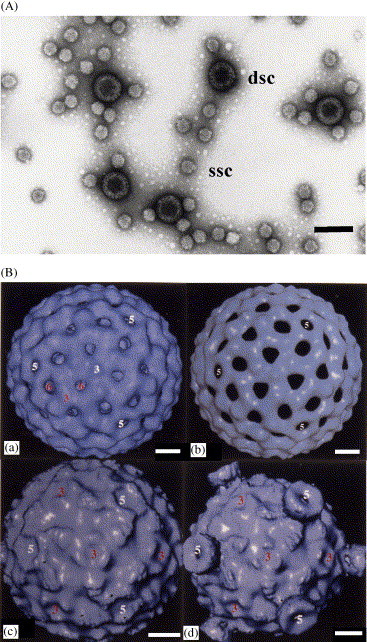
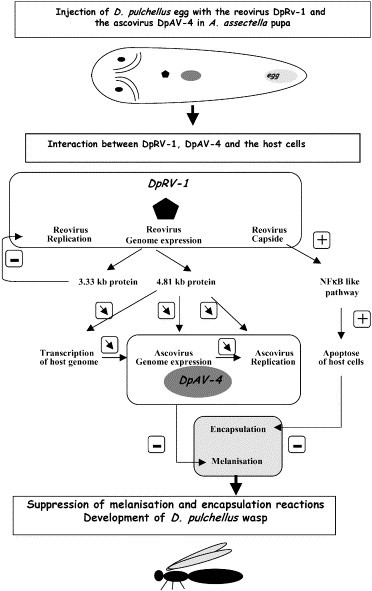
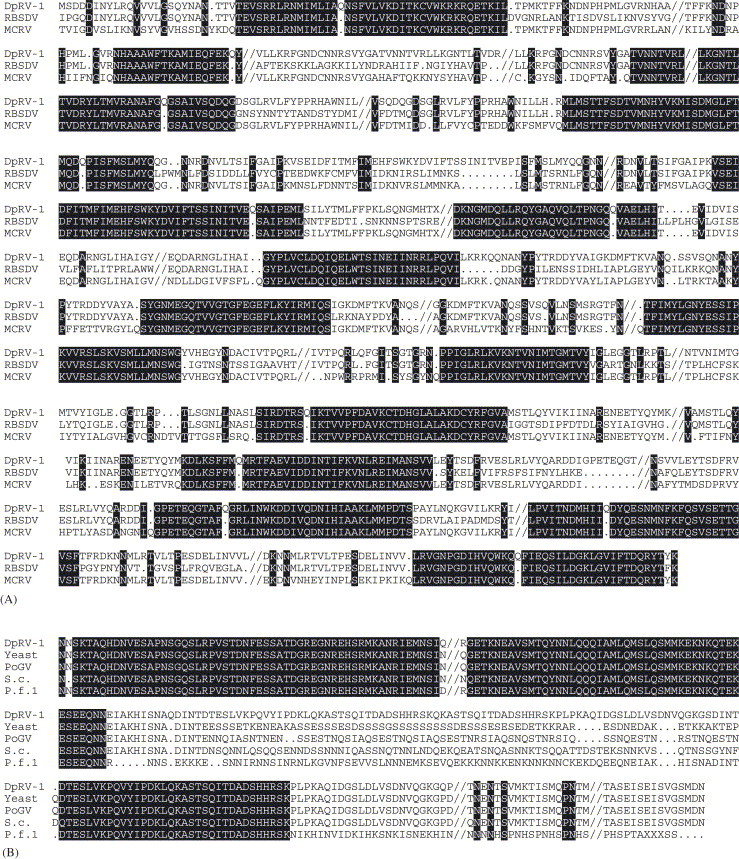
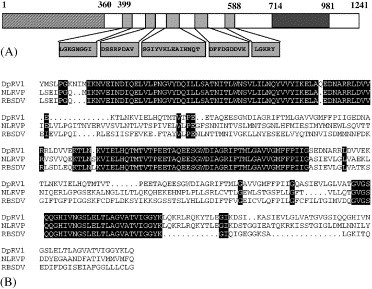
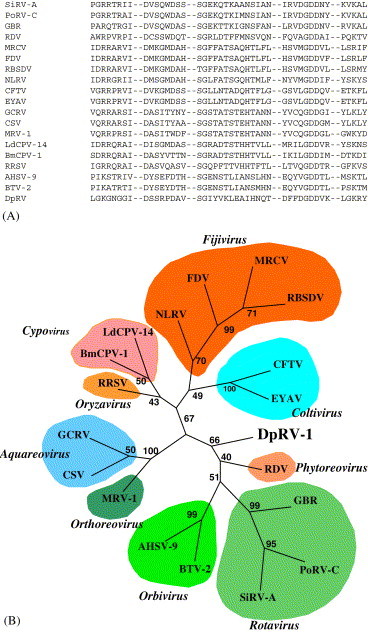
During evolution, certain endoparasitoid wasps have developed mechanisms to suppress the defence systems of their hosts. For this purpose, these species, all of which belong to the families Ichneumonidae and Braconidae, inject various kinds of virus-like particles. The most studied of these particles are classified as polydnaviruses (family Polydnaviridae) which are symbiotic viruses. Over the past decade, it has also been shown that several wasp species harbour reoviruses (family Reoviridae), and that two of these suppress host defence, allowing the development of the parasitoid eggs. In this paper, we summarize the key features of these viruses and their relationships with their wasp hosts. Five reoviruses are known that appear to be non-pathogenic for the wasps. Three of these, McRVLP, HeRV, OpRVLP, use their wasp hosts as vectors, and do not appear to be involved in host defence suppression. The fourth, DpRV-1, is a commensal reovirus detected in most field populations of the wasp, Diadromus pulchellus. This reovirus is always found associated with an ascovirus, DpAV-4a, which is indispensable for host immune suppression. Although DpRV-1 has not been shown to directly increase D. pulchellus parasitic success, it may contribute to this success by retarding DpAV-4a replication in the wasp. The fifth reovirus, DpRV-2, occurs in a specific population of D. pulchellus in which DpRV-1 and DpAV-4 are absent. This virus has a mutualistic relationship with its wasp host, as its injection by females during oviposition is essential for host immunosuppression. Interestingly, these viruses belong to several different reovirus genera.
在进化过程中,某些内寄生蜂已经进化出抑制宿主防御系统的机制。为此,这些均属于姬蜂科和茧蜂科的物种会注入各种病毒样颗粒。其中研究最多的颗粒被归类为多DNA病毒(多DNA病毒科),它们是共生病毒。在过去十年中,还发现几种黄蜂携带呼肠孤病毒(呼肠孤病毒科),其中两种可抑制宿主防御,使寄生蜂卵得以发育。在本文中,我们总结了这些病毒的关键特征及其与黄蜂宿主的关系。已知有五种呼肠孤病毒似乎对黄蜂无致病性。其中三种,McRVLP、HeRV、OpRVLP,将黄蜂宿主用作载体,似乎不参与宿主防御抑制。第四种,DpRV - 1,是在黄蜂Diadromus pulchellus的大多数野外种群中检测到的一种共生呼肠孤病毒。这种呼肠孤病毒总是与一种对宿主免疫抑制不可或缺的 ascovirus(DpAV - 4a)相关联。尽管尚未证明DpRV - 1能直接提高D. pulchellus的寄生成功率,但它可能通过延缓DpAV - 4a在黄蜂中的复制来促进这一成功。第五种呼肠孤病毒,DpRV - 2,存在于D. pulchellus的一个特定种群中,该种群中不存在DpRV - 1和DpAV - 4。这种病毒与其黄蜂宿主具有互利共生关系,因为雌性在产卵时注入这种病毒对宿主免疫抑制至关重要。有趣的是,这些病毒属于几个不同的呼肠孤病毒属。