Ecker David J, Sampath Rangarajan, Willett Paul, Wyatt Jacqueline R, Samant Vivek, Massire Christian, Hall Thomas A, Hari Kumar, McNeil John A, Büchen-Osmond Cornelia, Budowle Bruce
Ibis Therapeutics, 1891 Rutherford Rd., Carlsbad, CA 92008, USA.
BMC Microbiol. 2005 Apr 25;5:19. doi: 10.1186/1471-2180-5-19.
Thousands of different microorganisms affect the health, safety, and economic stability of populations. Many different medical and governmental organizations have created lists of the pathogenic microorganisms relevant to their missions; however, the nomenclature for biological agents on these lists and pathogens described in the literature is inexact. This ambiguity can be a significant block to effective communication among the diverse communities that must deal with epidemics or bioterrorist attacks.
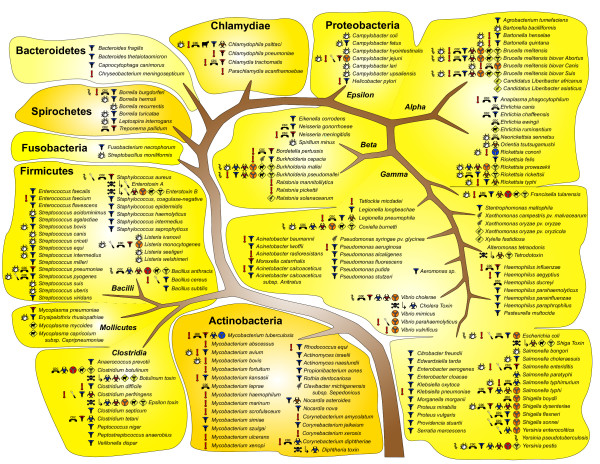
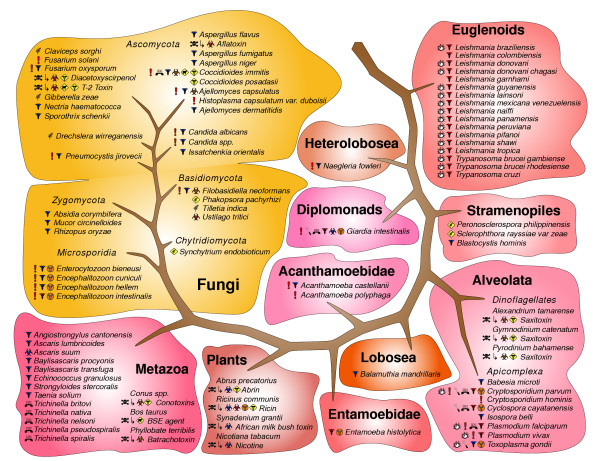
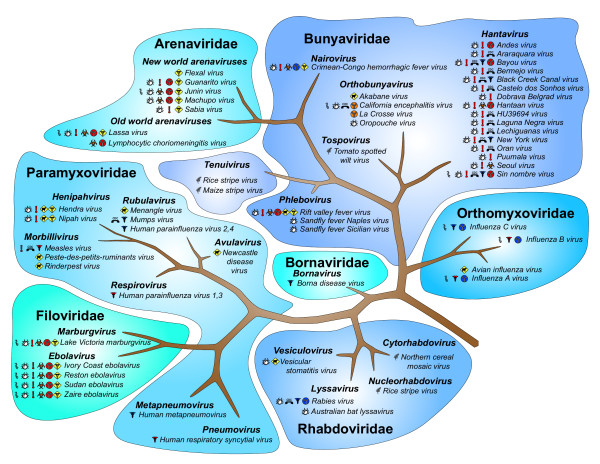
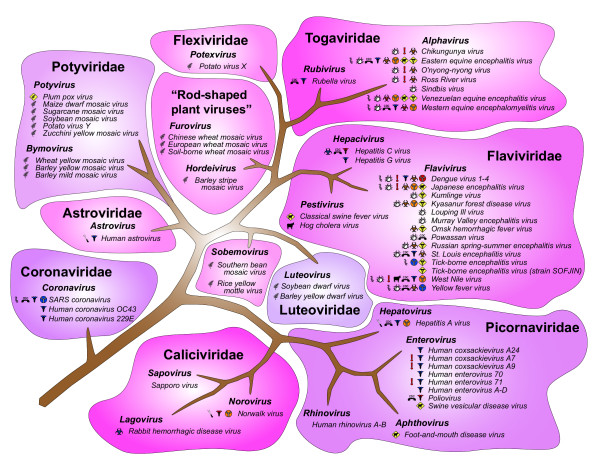
We have developed a database known as the Microbial Rosetta Stone. The database relates microorganism names, taxonomic classifications, diseases, specific detection and treatment protocols, and relevant literature. The database structure facilitates linkage to public genomic databases. This paper focuses on the information in the database for pathogens that impact global public health, emerging infectious organisms, and bioterrorist threat agents.
The Microbial Rosetta Stone is available at http://www.microbialrosettastone.com/. The database provides public access to up-to-date taxonomic classifications of organisms that cause human diseases, improves the consistency of nomenclature in disease reporting, and provides useful links between different public genomic and public health databases.
数以千计的不同微生物影响着人群的健康、安全和经济稳定。许多不同的医学和政府组织已经编制了与其任务相关的致病微生物清单;然而,这些清单上生物制剂的命名以及文献中描述的病原体的命名并不精确。这种模糊性可能成为必须应对流行病或生物恐怖袭击的不同群体之间有效沟通的重大障碍。
我们开发了一个名为“微生物罗塞塔石碑”的数据库。该数据库关联了微生物名称、分类学分类、疾病、特定检测和治疗方案以及相关文献。数据库结构便于与公共基因组数据库建立链接。本文重点关注该数据库中有关影响全球公共卫生的病原体、新出现的感染性生物以及生物恐怖主义威胁因子的信息。