Shargie Estifanos B, Lindtjørn Bernt
University of Bergen Centre for International Health, Armauer Hansens Hus, N-5021 Bergen, Norway.
BMC Public Health. 2005 Jun 6;5:62. doi: 10.1186/1471-2458-5-62.
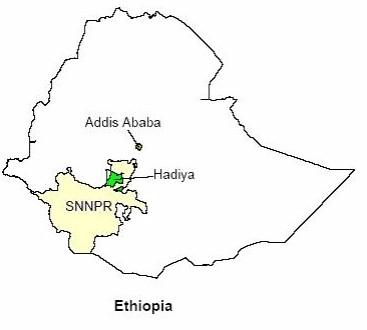
DOTS as a strategy was introduced to the tuberculosis control programme in Southern region of Ethiopia in 1996. The impact of the programme on treatment outcomes and the trend in the service coverage for tuberculosis has not been assessed ever since. The aim of the study was to assess trends in the expansion of DOTS and treatment outcomes for tuberculosis in Hadiya zone in Southern Ethiopia.
19,971 tuberculosis patients registered for treatment in 41 treatment centres in Hadiya zone between 1994 and 2001 were included in the study. The data were collected from the unit tuberculosis registers. For each patient, we recorded information on demographic characteristics, treatment centre, year of treatment, disease category, treatment given, follow-up and treatment outcomes. We also checked the year when DOTS was introduced to the treatment centre.
Population coverage by DOTS reached 75% in 2001, and the proportion of patients treated with short course chemotherapy increased from 7% in 1994 to 97% in 2001. Treatment success for smear-positive tuberculosis rose from 38% to 73% in 2000, default rate declined from 38% to 18%, and treatment failure declined from 5% to 1%. Being female patient, age 15-24 years, smear positive pulmonary tuberculosis, treatment with short course chemotherapy, and treatment at peripheral centres were associated with higher treatment success and lower defaulter rates.
The introduction and expansion of DOTS in Hadiya has led to a significant increase in treatment success and decrease in default and failure rates. The smaller institutions exhibited better treatment outcomes compared to the larger ones including the zonal hospital. We identified many patients with missing information in the unit registers and this issue needs to be addressed. Further studies are recommended to see the impact of the programme on the prevalence and incidence of tuberculosis.
1996年,直接观察短程治疗(DOTS)策略被引入埃塞俄比亚南部地区的结核病控制项目。自那时起,该项目对治疗结果的影响以及结核病服务覆盖范围的趋势从未得到评估。本研究的目的是评估埃塞俄比亚南部哈迪亚地区DOTS的扩展趋势和结核病治疗结果。
本研究纳入了1994年至2001年间在哈迪亚地区41个治疗中心登记接受治疗的19971例结核病患者。数据从单位结核病登记册中收集。对于每位患者,我们记录了人口统计学特征、治疗中心、治疗年份、疾病类别、给予的治疗、随访情况和治疗结果等信息。我们还核查了DOTS引入治疗中心的年份。
2001年DOTS的人口覆盖率达到75%,接受短程化疗的患者比例从1994年的7%增至2001年的97%。涂片阳性结核病的治疗成功率在2000年从38%升至73%,失访率从38%降至18%,治疗失败率从5%降至1%。女性患者、年龄在15 - 24岁、涂片阳性肺结核、接受短程化疗以及在周边中心接受治疗与更高的治疗成功率和更低的失访率相关。
哈迪亚地区DOTS的引入和扩展导致治疗成功率显著提高,失访率和失败率降低。与包括地区医院在内的较大机构相比,较小机构的治疗结果更好。我们发现单位登记册中有许多患者信息缺失,这个问题需要解决。建议进一步开展研究以观察该项目对结核病患病率和发病率的影响。