Huang Zhen, Zang Keling, Reichardt Louis F
Department of Physiology, University of California San Francisco, San Francisco, CA 94143, USA.
J Cell Biol. 2005 Aug 15;170(4):527-35. doi: 10.1083/jcb.200505075. Epub 2005 Aug 8.
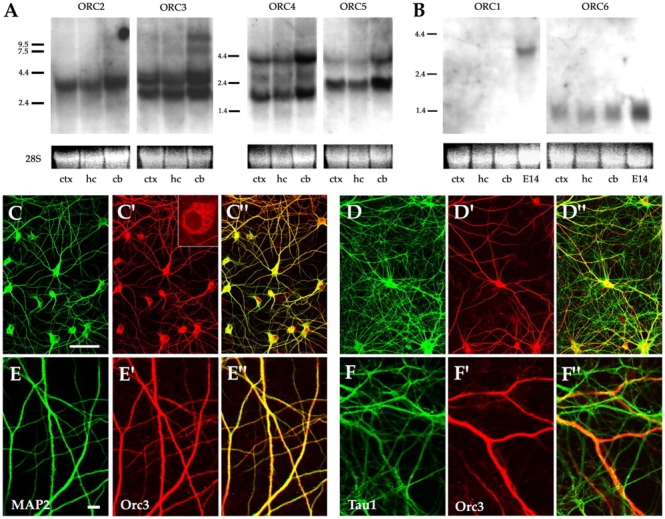
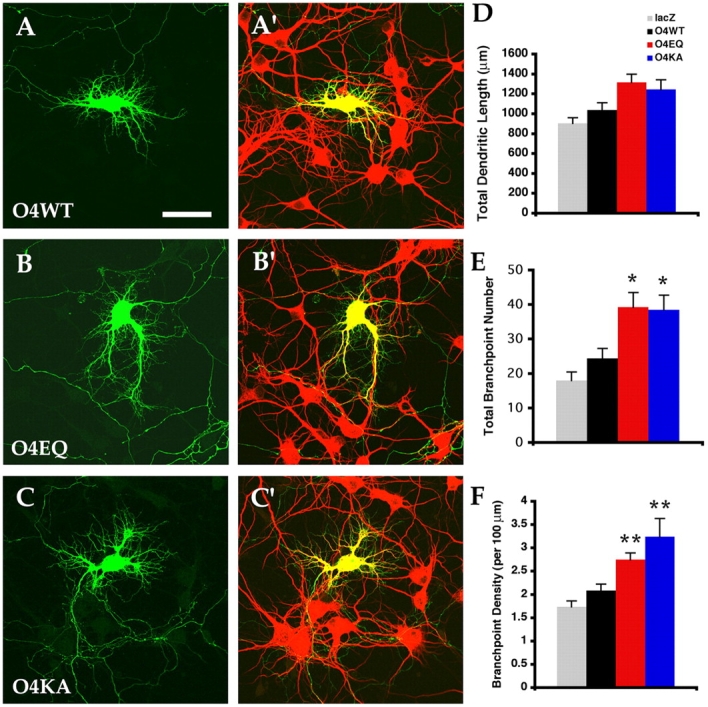
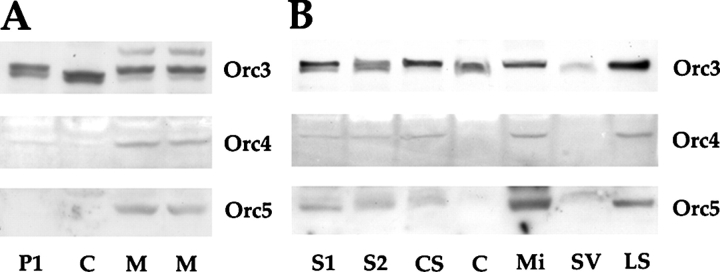
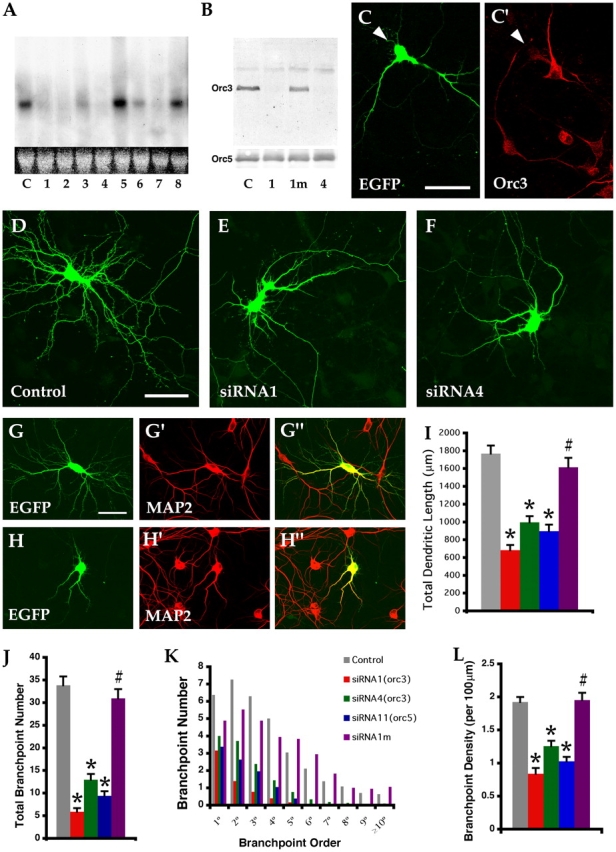
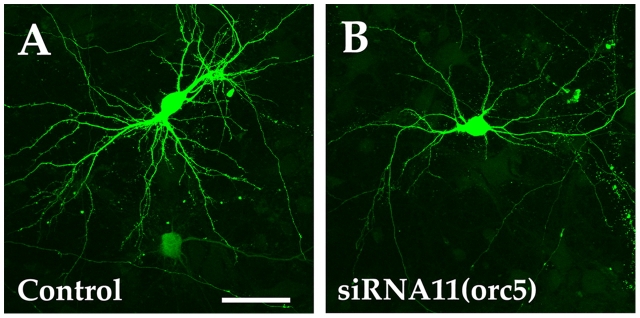
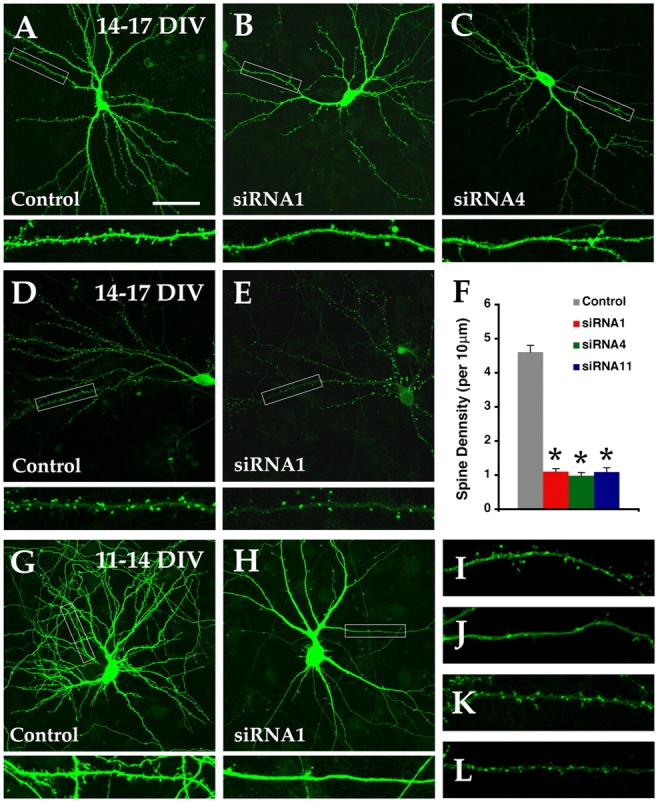
The origin recognition complex (ORC) ensures exactly one round of genome replication per cell cycle through acting as a molecular switch that precisely controls the assembly, firing, and inactivation of the replication initiation machinery. Recent data indicate that it may also coordinate the processes of mitosis and cytokinesis and ensure the proper distribution of replicated genome to daughter cells. We have found that the ORC core subunits are highly expressed in the nervous system. They are selectively localized to the neuronal somatodendritic compartment and enriched in the membrane fraction. siRNA knockdown of ORC subunits dramatically reduced dendritic branch formation and severely impeded dendritic spine emergence. Expression of ORC ATPase motif mutants enhanced the branching of dendritic arbors. The ORC core complex thus appears to have a novel role in regulating dendrite and dendritic spine development in postmitotic neurons.
起始识别复合体(ORC)通过充当分子开关精确控制复制起始机制的组装、激活和失活,确保每个细胞周期基因组仅复制一轮。最新数据表明,它还可能协调有丝分裂和胞质分裂过程,并确保复制后的基因组正确分配到子细胞中。我们发现,ORC核心亚基在神经系统中高度表达。它们选择性地定位于神经元的胞体树突区室,并在膜组分中富集。ORC亚基的siRNA敲低显著减少了树突分支的形成,并严重阻碍了树突棘的出现。ORC ATP酶基序突变体的表达增强了树突分支。因此,ORC核心复合体似乎在调节有丝分裂后神经元的树突和树突棘发育中具有新的作用。