Petkov Petko M, Graber Joel H, Churchill Gary A, DiPetrillo Keith, King Benjamin L, Paigen Kenneth
The Jackson Laboratory, Bar Harbor, Maine, USA.
PLoS Genet. 2005 Sep;1(3):e33. doi: 10.1371/journal.pgen.0010033.
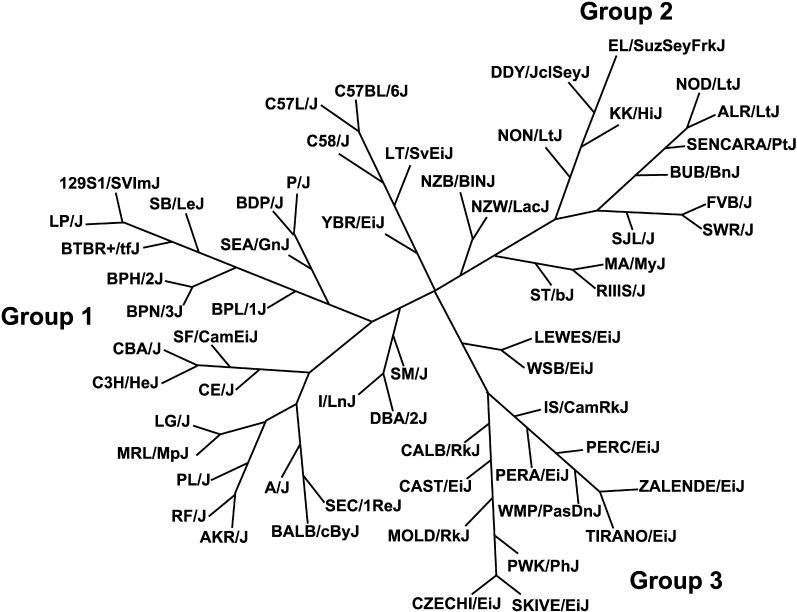
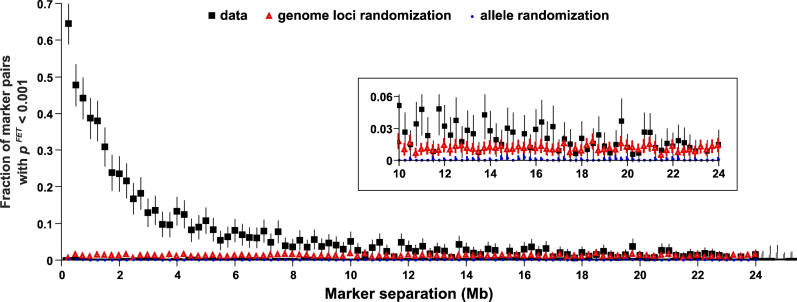
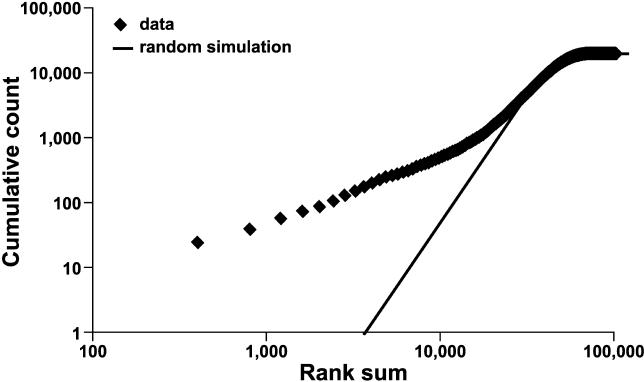
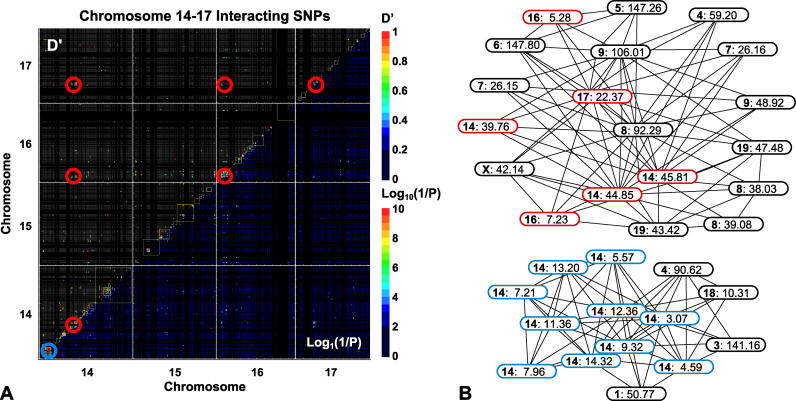
Evidence from inbred strains of mice indicates that a quarter or more of the mammalian genome consists of chromosome regions containing clusters of functionally related genes. The intense selection pressures during inbreeding favor the coinheritance of optimal sets of alleles among these genetically linked, functionally related genes, resulting in extensive domains of linkage disequilibrium (LD) among a set of 60 genetically diverse inbred strains. Recombination that disrupts the preferred combinations of alleles reduces the ability of offspring to survive further inbreeding. LD is also seen between markers on separate chromosomes, forming networks with scale-free architecture. Combining LD data with pathway and genome annotation databases, we have been able to identify the biological functions underlying several domains and networks. Given the strong conservation of gene order among mammals, the domains and networks we find in mice probably characterize all mammals, including humans.
来自近交系小鼠的证据表明,四分之一或更多的哺乳动物基因组由包含功能相关基因簇的染色体区域组成。近亲繁殖过程中的强烈选择压力有利于这些基因连锁、功能相关基因之间最佳等位基因组合的共同遗传,从而在一组60个基因多样的近交系中产生广泛的连锁不平衡(LD)区域。破坏等位基因优选组合的重组会降低后代在进一步近亲繁殖中存活的能力。在不同染色体上的标记之间也观察到LD,形成具有无标度结构的网络。将LD数据与通路和基因组注释数据库相结合,我们已经能够识别几个区域和网络背后的生物学功能。鉴于哺乳动物之间基因顺序的高度保守性,我们在小鼠中发现的区域和网络可能是所有哺乳动物(包括人类)的特征。