Kim Nam Kyu
Department of Surgery, Division of Colorectal Surgery, Yonsei University College of Medicine, 134 Shinchon-dong, Seodaemun-gu, Seoul 120-752, Korea.
Yonsei Med J. 2005 Dec 31;46(6):737-49. doi: 10.3349/ymj.2005.46.6.737.
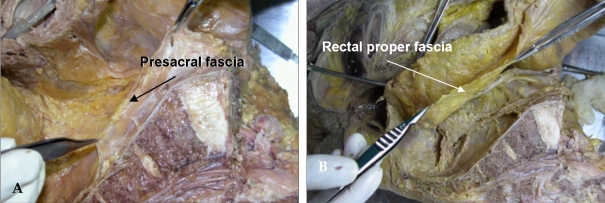
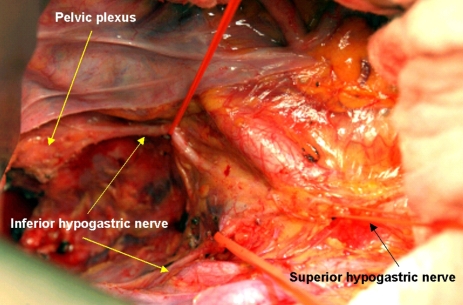
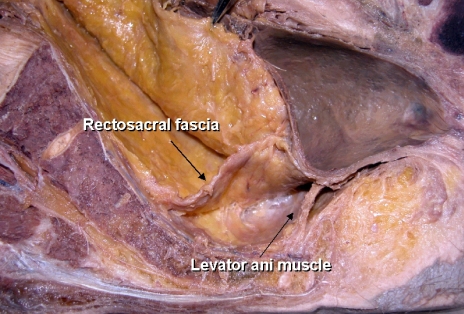
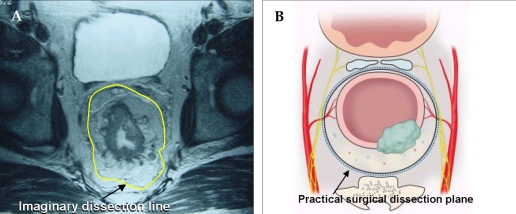
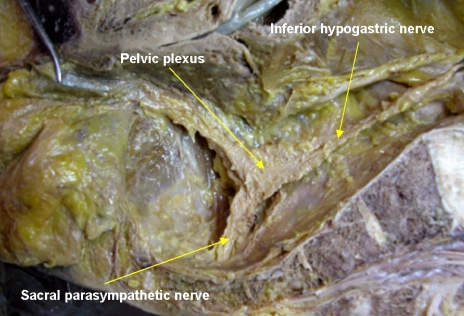
The optimal goals in the surgical treatment of rectal cancer are curative resection, anal sphincter preservation, and preservation of sexual and voiding functions. The quality of complete resection of rectal cancer and the surrounding mesorectum can determine the prognosis of patients and their quality of life. With the emergence of total mesorectal excision in the field of rectal cancer surgery, anatomical sharp pelvic dissection has been emphasized to achieve these therapeutic goals. In the past, the rates of local recurrence and sexual/voiding dysfunction have been high. However, with sharp pelvic dissection based on the pelvic anatomy, local recurrence has decreased to less than 10%, and the preservation rate of sexual and voiding function is high. Improved surgical techniques have created much interest in the surgical anatomy related to curative rectal cancer surgery, with particular focus on the fascial planes and nerve plexuses and their relationship to the surgical planes of dissection. A complete understanding of rectum anatomy and the adjacent pelvic organs are essential for colorectal surgeons who want optimal oncologic outcomes and safety in the surgical treatment of rectal cancer.
直肠癌外科治疗的最佳目标是根治性切除、保留肛门括约肌以及保留性功能和排尿功能。直肠癌及周围直肠系膜的完整切除质量可决定患者的预后及其生活质量。随着直肠癌手术领域全直肠系膜切除术的出现,强调进行解剖性锐性盆腔分离以实现这些治疗目标。过去,局部复发率和性/排尿功能障碍发生率一直很高。然而,通过基于盆腔解剖的锐性盆腔分离,局部复发率已降至10%以下,性功能和排尿功能的保留率很高。改进的手术技术引发了人们对与根治性直肠癌手术相关的手术解剖学的浓厚兴趣,尤其关注筋膜平面和神经丛及其与手术分离平面的关系。对于希望在直肠癌手术治疗中获得最佳肿瘤学结果和安全性的结直肠外科医生来说,全面了解直肠解剖结构和相邻盆腔器官至关重要。