Urisman Anatoly, Molinaro Ross J, Fischer Nicole, Plummer Sarah J, Casey Graham, Klein Eric A, Malathi Krishnamurthy, Magi-Galluzzi Cristina, Tubbs Raymond R, Ganem Don, Silverman Robert H, DeRisi Joseph L
Department of Biochemistry and Biophysics, University of California San Francisco, San Francisco, California, United States of America.
PLoS Pathog. 2006 Mar;2(3):e25. doi: 10.1371/journal.ppat.0020025. Epub 2006 Mar 31.
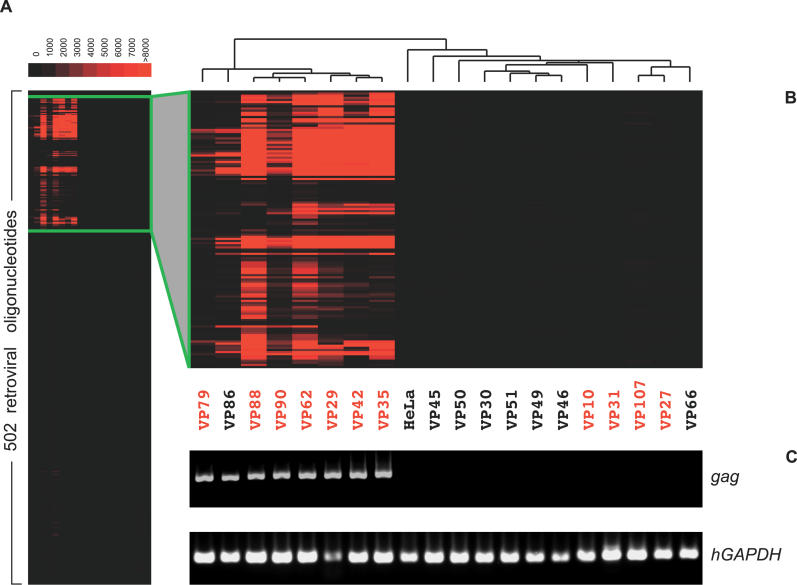
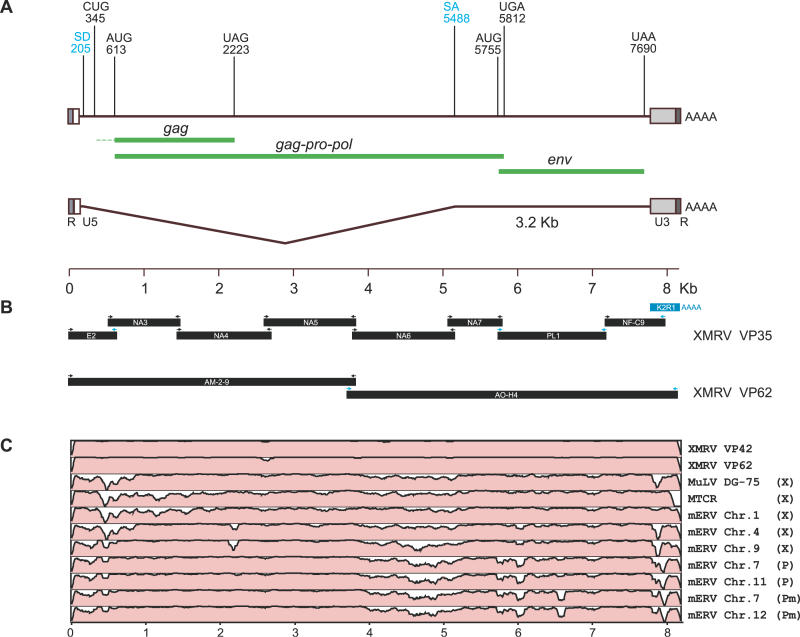
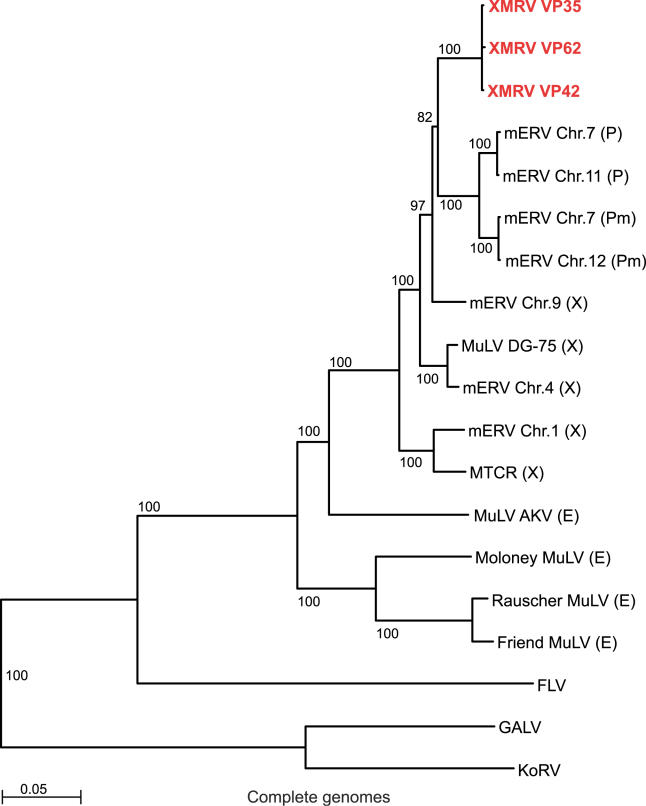
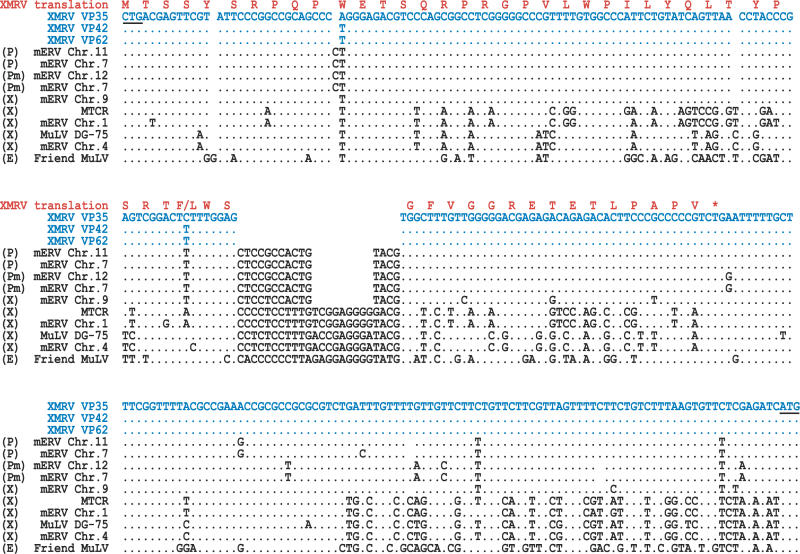
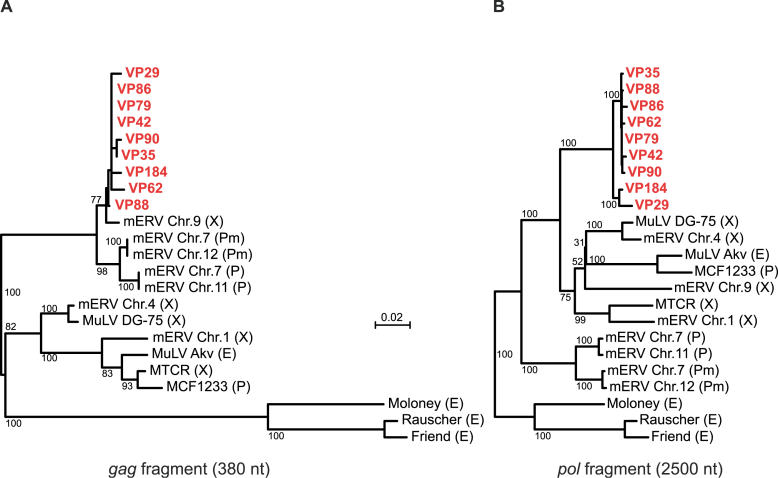
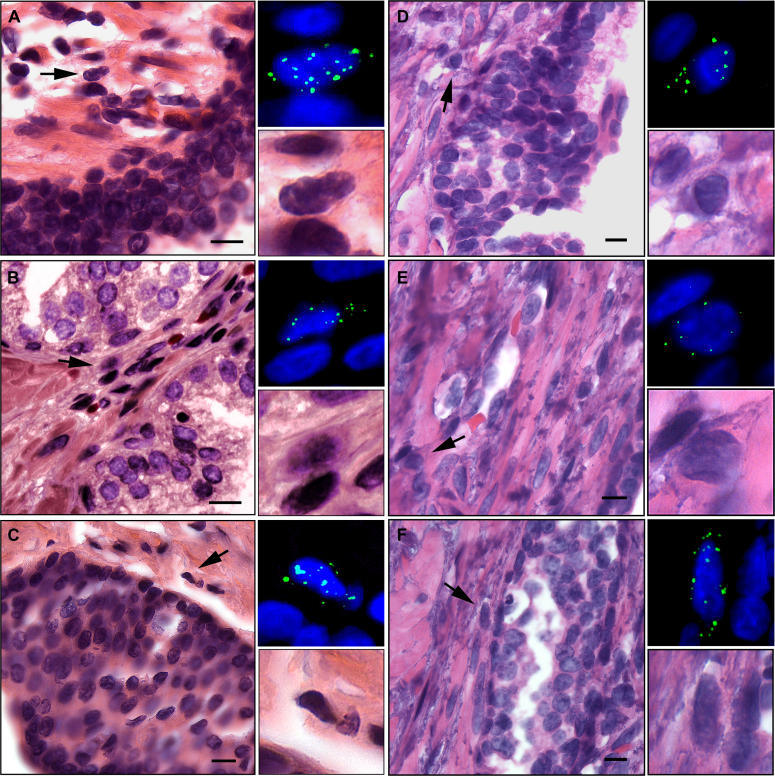
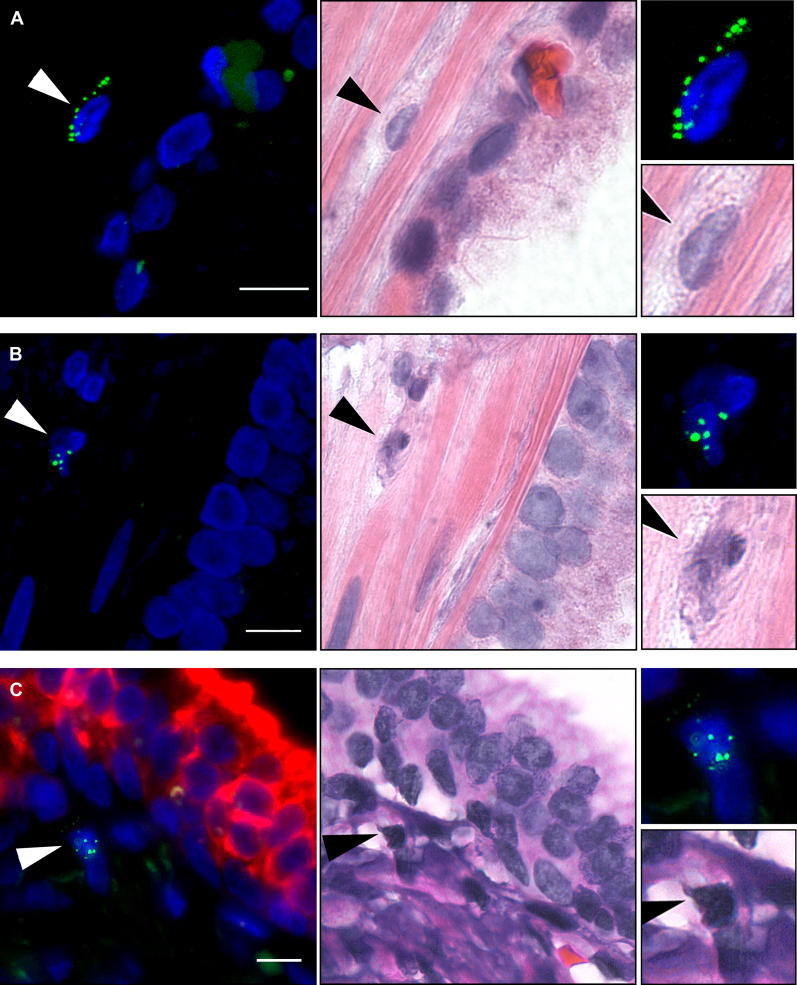
Ribonuclease L (RNase L) is an important effector of the innate antiviral response. Mutations or variants that impair function of RNase L, particularly R462Q, have been proposed as susceptibility factors for prostate cancer. Given the role of this gene in viral defense, we sought to explore the possibility that a viral infection might contribute to prostate cancer in individuals harboring the R462Q variant. A viral detection DNA microarray composed of oligonucleotides corresponding to the most conserved sequences of all known viruses identified the presence of gammaretroviral sequences in cDNA samples from seven of 11 R462Q-homozygous (QQ) cases, and in one of eight heterozygous (RQ) and homozygous wild-type (RR) cases. An expanded survey of 86 tumors by specific RT-PCR detected the virus in eight of 20 QQ cases (40%), compared with only one sample (1.5%) among 66 RQ and RR cases. The full-length viral genome was cloned and sequenced independently from three positive QQ cases. The virus, named XMRV, is closely related to xenotropic murine leukemia viruses (MuLVs), but its sequence is clearly distinct from all known members of this group. Comparison of gag and pol sequences from different tumor isolates suggested infection with the same virus in all cases, yet sequence variation was consistent with the infections being independently acquired. Analysis of prostate tissues from XMRV-positive cases by in situ hybridization and immunohistochemistry showed that XMRV nucleic acid and protein can be detected in about 1% of stromal cells, predominantly fibroblasts and hematopoietic elements in regions adjacent to the carcinoma. These data provide to our knowledge the first demonstration that xenotropic MuLV-related viruses can produce an authentic human infection, and strongly implicate RNase L activity in the prevention or clearance of infection in vivo. These findings also raise questions about the possible relationship between exogenous infection and cancer development in genetically susceptible individuals.
核糖核酸酶L(RNase L)是先天性抗病毒反应的重要效应因子。损害RNase L功能的突变或变体,尤其是R462Q,已被认为是前列腺癌的易感因素。鉴于该基因在病毒防御中的作用,我们试图探究病毒感染是否可能导致携带R462Q变体的个体患前列腺癌。一种由对应于所有已知病毒最保守序列的寡核苷酸组成的病毒检测DNA微阵列,在11例R462Q纯合子(QQ)病例中的7例、8例杂合子(RQ)和纯合野生型(RR)病例中的1例的cDNA样本中,鉴定出了γ逆转录病毒序列。通过特异性逆转录聚合酶链反应对86个肿瘤进行的扩大调查发现,20例QQ病例中有8例(40%)检测到该病毒,而66例RQ和RR病例中只有1个样本(1.5%)检测到该病毒。从3例阳性QQ病例中独立克隆并测序了全长病毒基因组。这种病毒名为XMRV,与嗜异性小鼠白血病病毒(MuLVs)密切相关,但其序列明显不同于该组的所有已知成员。对来自不同肿瘤分离株的gag和pol序列的比较表明,所有病例均感染了同一种病毒,但序列变异与感染是独立获得的一致。通过原位杂交和免疫组化对XMRV阳性病例的前列腺组织进行分析表明,在约1%的基质细胞中可检测到XMRV核酸和蛋白,主要是癌旁区域的成纤维细胞和造血成分。据我们所知,这些数据首次证明嗜异性MuLV相关病毒可引发真正的人类感染,并强烈表明RNase L活性在体内预防或清除感染中起作用。这些发现也引发了关于遗传易感个体中外源感染与癌症发展之间可能关系的问题。