Wu Chung-Yi, King Ke-Yung, Kuo Chih-Jung, Fang Jim-Min, Wu Ying-Ta, Ho Ming-Yi, Liao Chung-Lin, Shie Jiun-Jie, Liang Po-Huang, Wong Chi-Huey
The Genomics Research Center and Institute of Biological Chemistry, Academia Sinica No. 128, Academia Road Section 2, Nan-Kang, Taipei, 115, Taiwan.
Chem Biol. 2006 Mar;13(3):261-8. doi: 10.1016/j.chembiol.2005.12.008.
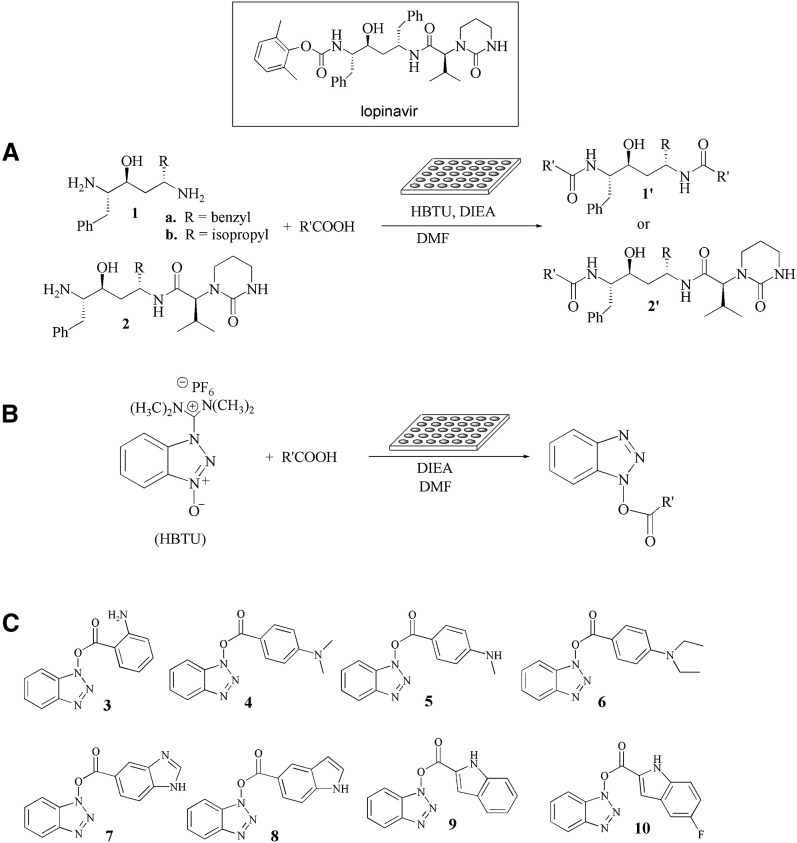
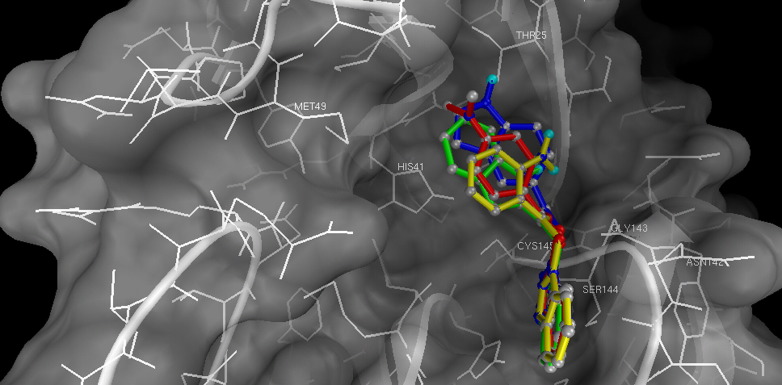
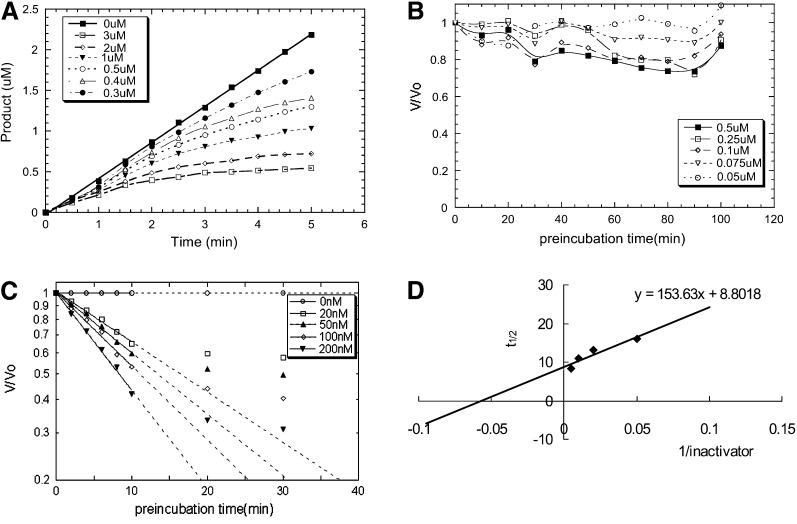
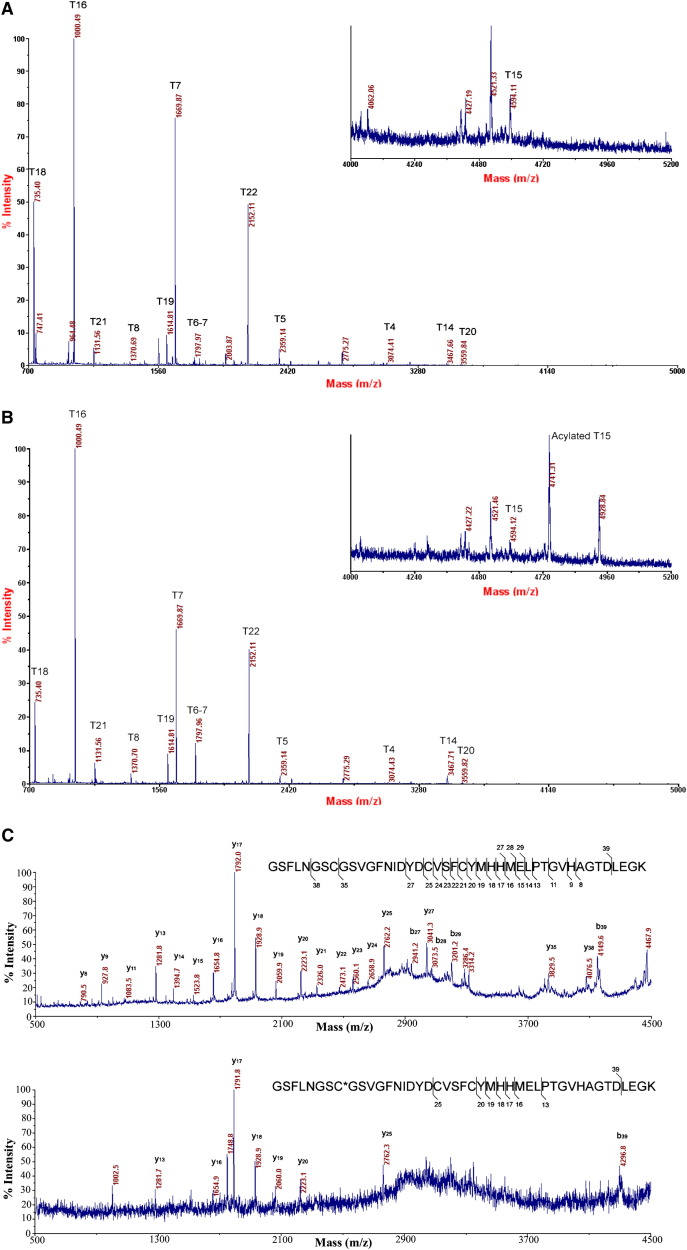
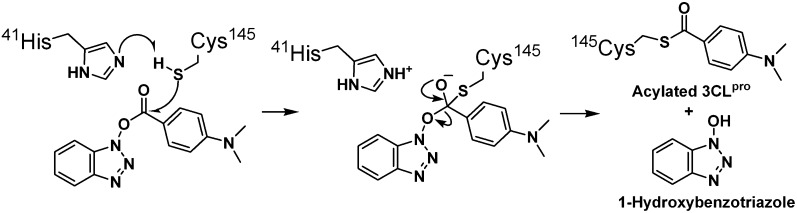
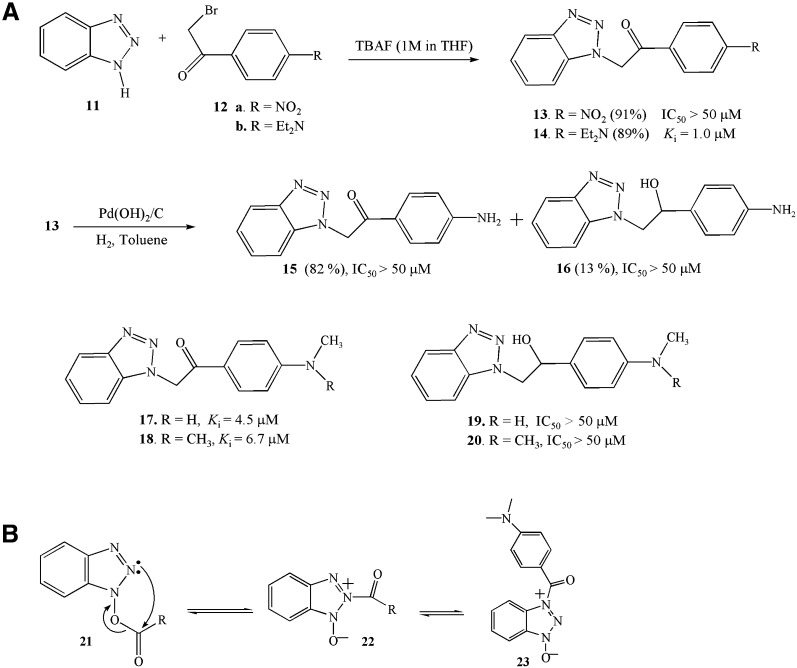
Severe acute respiratory syndrome (SARS) is caused by a newly emerged coronavirus that infected more than 8000 individuals and resulted in more than 800 fatalities in 2003. Currently, there is no effective treatment for this epidemic. SARS-3CL(pro) has been shown to be essential for replication and is thus a target for drug discovery. Here, a class of stable benzotriazole esters was reported as mechanism-based inactivators of 3CL(pro), and the most potent inactivator exhibited a k(inact) of 0.0011 s(-1) and a K(i) of 7.5 nM. Mechanistic investigation with kinetic and mass spectrometry analyses indicates that the active site Cys145 is acylated, and that no irreversible inactivation was observed with the use of the C145A mutant. In addition, a noncovalent, competitive inhibition became apparent by using benzotriazole ester surrogates in which the bridged ester-oxygen group is replaced with carbon.
严重急性呼吸综合征(SARS)由一种新出现的冠状病毒引起,该病毒在2003年感染了8000多人,并导致800多人死亡。目前,针对这种流行病尚无有效的治疗方法。SARS-3CL(pro)已被证明对病毒复制至关重要,因此是药物研发的一个靶点。在此,一类稳定的苯并三唑酯被报道为基于机制的3CL(pro)失活剂,最有效的失活剂的k(inact)为0.0011 s(-1),K(i)为7.5 nM。动力学和质谱分析的机制研究表明,活性位点Cys145被酰化,并且使用C145A突变体未观察到不可逆失活。此外,通过使用桥连酯氧基团被碳取代的苯并三唑酯替代物,非共价竞争性抑制作用变得明显。