Langheinrich U, Tischner R
Institut für Pflanzenphysiologie, University of Göttingen, W-3400 Göttingen, Germany.
Plant Physiol. 1991 Nov;97(3):1017-25. doi: 10.1104/pp.97.3.1017.
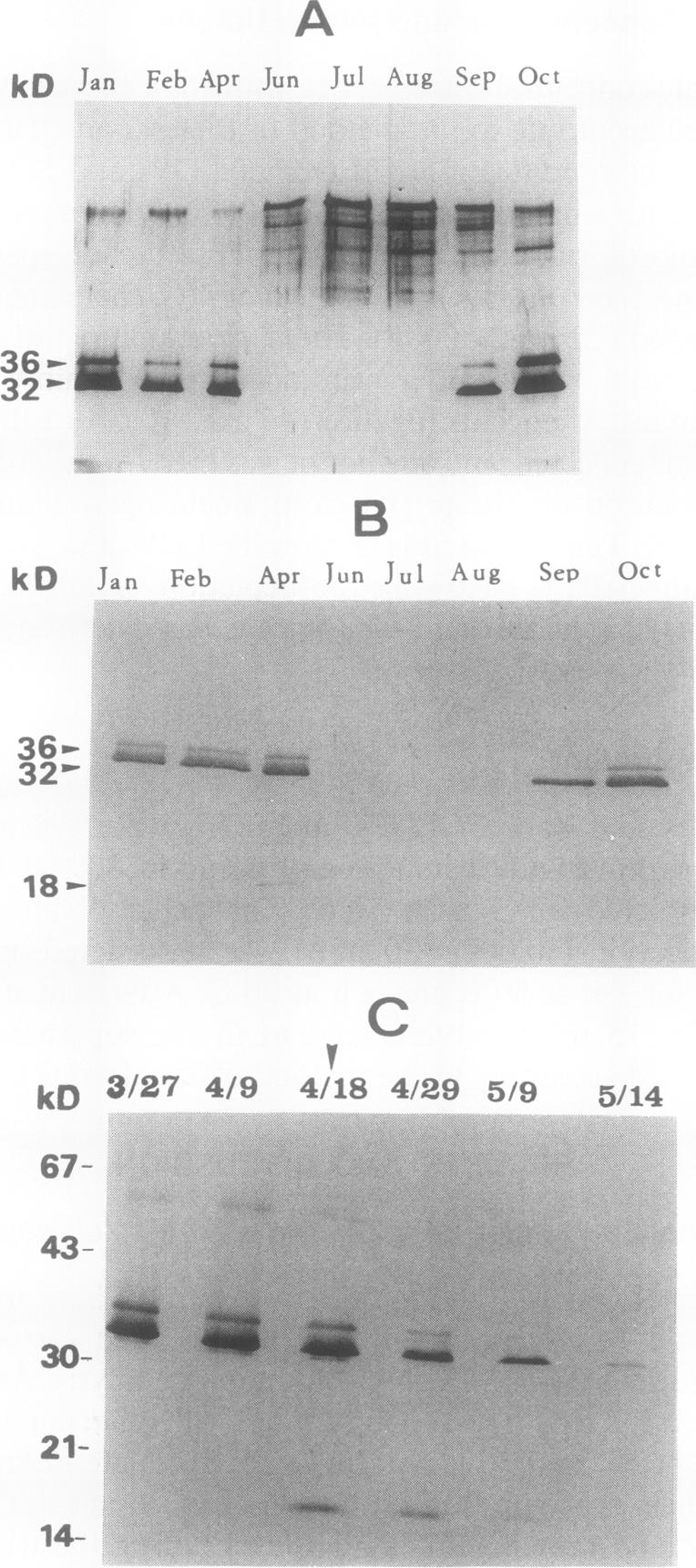
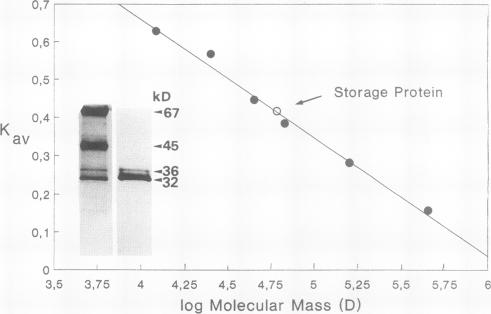
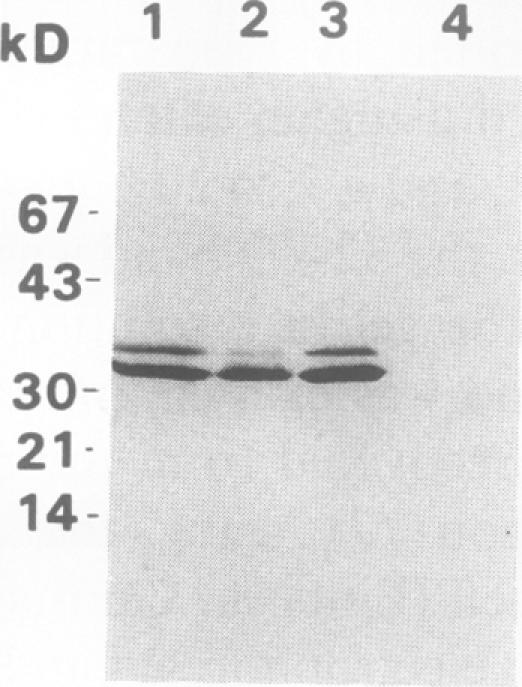
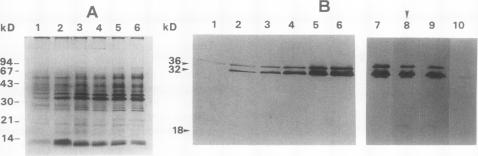
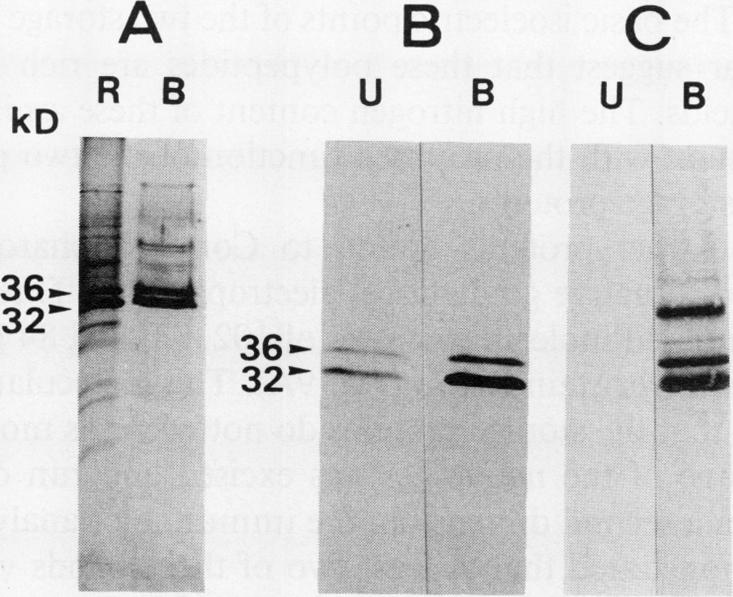
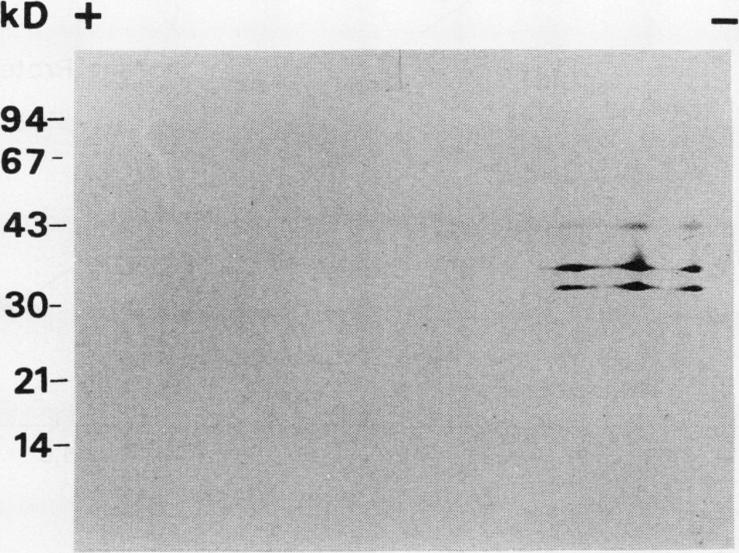
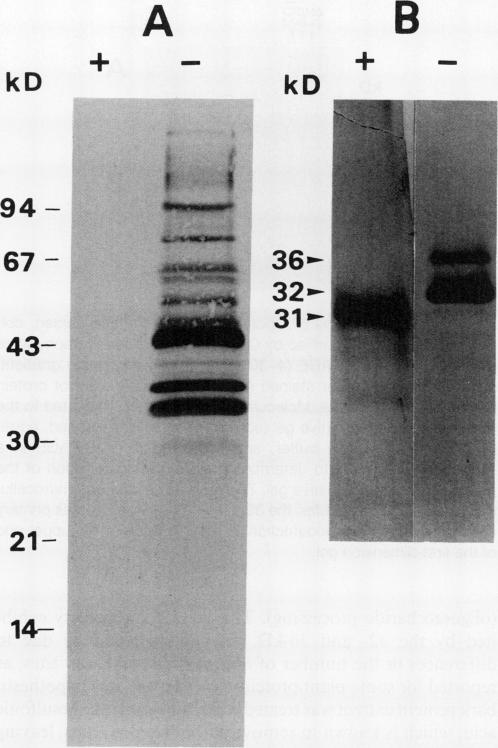
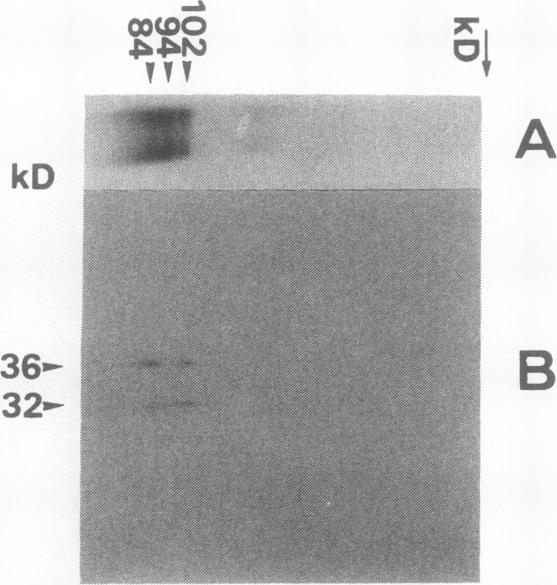
Bark, wood, and root tissues of several Populus species contain a 32- and a 36-kilodalton polypeptide which undergo seasonal fluctuations and are considered to be storage proteins. These two proteins are abundant in winter and not detectable in summer as determined by sodium dodecyl sulfate-polyacrylamide gel electrophoresis and immunodetection. An antibody raised against the 32-kilodalton storage protein of Populus trichocarpa (T. & G.) cross-reacts with the 36-kilodalton protein of this species. The synthesis of the 32- and 36-kilodalton proteins can be induced in micropropagated plants by short-day conditions in the growth chamber. These proteins are highly abundant in structural roots, bark, and wood and combined represent >25% of the total soluble proteins in these tissues. Nitrate concentration in the leaves and nitrate uptake rate decreased dramatically when LD plants were transferred to short-day conditions; the protein content in leaves was unaffected. A decrease of the 32- and 36-kilodalton polypeptides occurs after transferring induced plants back to LD conditions. Both polypeptides are glycosylated and can be efficiently purified by affinity chromatography using concanavalin A-Sepharose 4B. The 32- and the 36-kilodalton polypeptides have identical basic isoelectric points and both consist of at least three isoforms. The storage proteins show a loss in apparent molecular mass after deglycosylation with trifluoromethanesulfonic acid. It is concluded that the 32- and 36-kilodalton polypeptides are glycoforms differing only in the extent of glycosylation. The relative molecular mass of the native storage protein was estimated to be 58 kilodalton, using gel filtration. From the molecular mass and the elution pattern it is supposed that the storage protein occurs as a heterodimer composed of one 32- and one 36-kilodalton subunit. Preliminary data suggest the involvement of the phytochrome system in the induction process of the 32- and 36-kilodalton polypeptides.
几种杨树的树皮、木材和根组织中含有两种分子量分别为32千道尔顿和36千道尔顿的多肽,它们呈现季节性波动,被认为是储存蛋白。通过十二烷基硫酸钠-聚丙烯酰胺凝胶电泳和免疫检测发现,这两种蛋白质在冬季含量丰富,夏季则无法检测到。用毛果杨(T. & G.)的32千道尔顿储存蛋白制备的抗体与该物种的36千道尔顿蛋白发生交叉反应。在生长室中,短日照条件可诱导微繁殖植株合成32千道尔顿和36千道尔顿的蛋白质。这些蛋白质在结构根、树皮和木材中含量极高,在这些组织的总可溶性蛋白中占比超过25%。长日照植株转移到短日照条件后,叶片中的硝酸盐浓度和硝酸盐吸收速率显著下降;叶片中的蛋白质含量不受影响。将诱导植株转回长日照条件后,32千道尔顿和36千道尔顿的多肽含量会下降。这两种多肽都进行了糖基化修饰,使用伴刀豆球蛋白A-琼脂糖4B亲和层析可有效纯化它们。32千道尔顿和36千道尔顿的多肽具有相同的碱性等电点,且都至少由三种同工型组成。用三氟甲磺酸去糖基化后,储存蛋白的表观分子量降低。由此得出结论,32千道尔顿和36千道尔顿的多肽是糖型,仅糖基化程度不同。使用凝胶过滤法估计天然储存蛋白的相对分子量为58千道尔顿。根据分子量和洗脱模式推测,储存蛋白以由一个32千道尔顿亚基和一个36千道尔顿亚基组成的异二聚体形式存在。初步数据表明,光敏色素系统参与了32千道尔顿和36千道尔顿多肽的诱导过程。