Hanley Brian
BW Education and Forensics, 2710 Thomes Avenue, Cheyenne, Wyoming 82001, USA.
Theor Biol Med Model. 2006 Aug 23;3:32. doi: 10.1186/1742-4682-3-32.
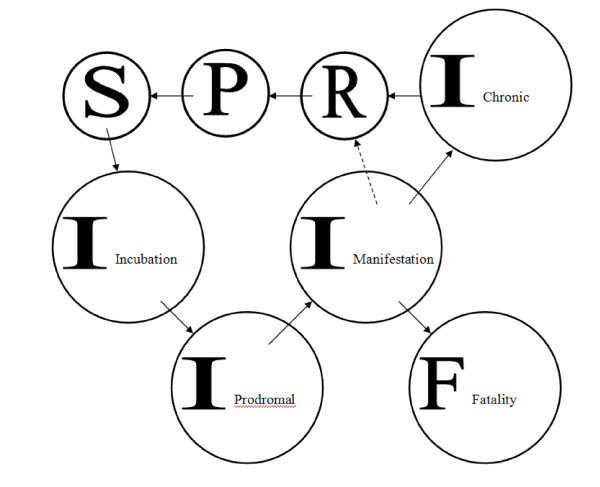
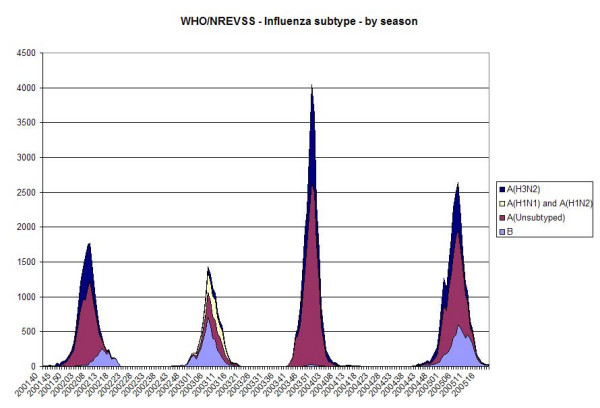
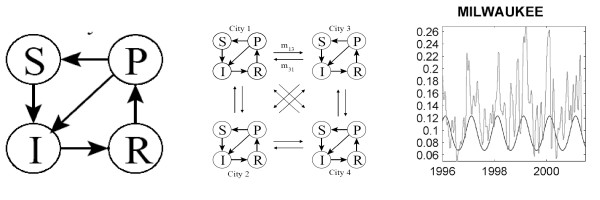
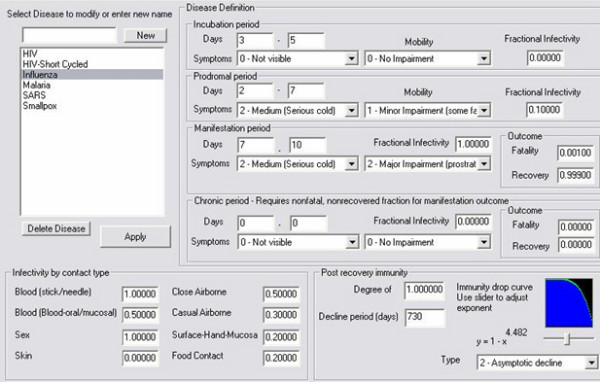
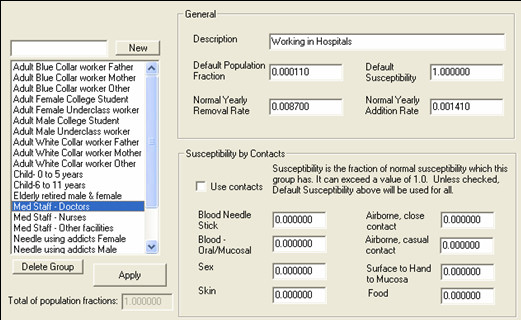
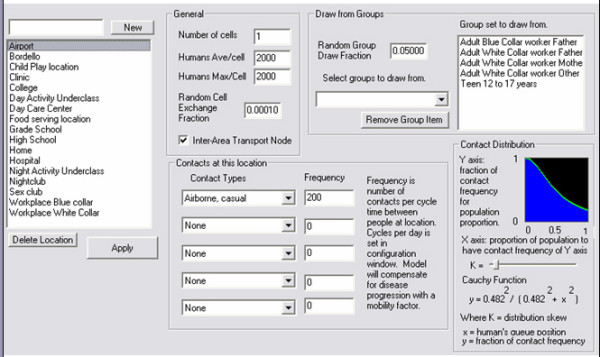
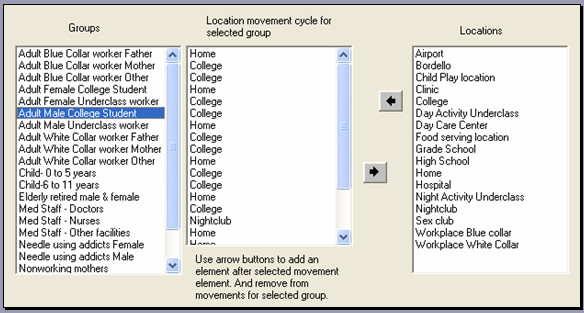
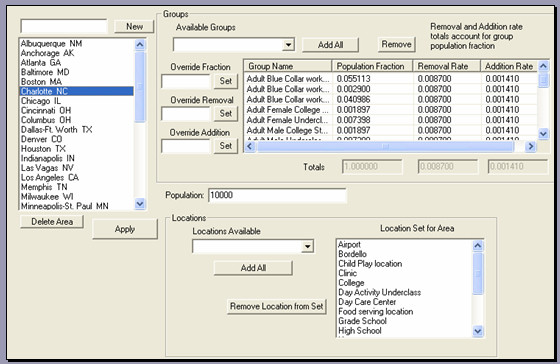
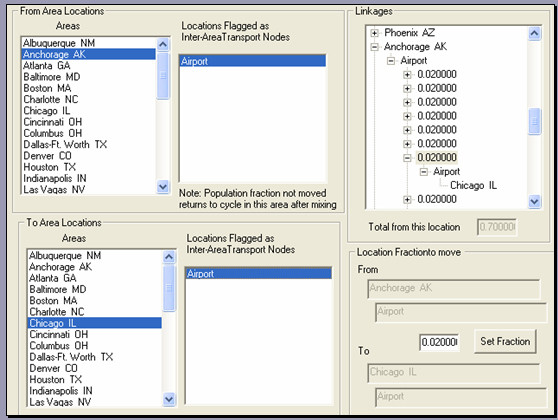
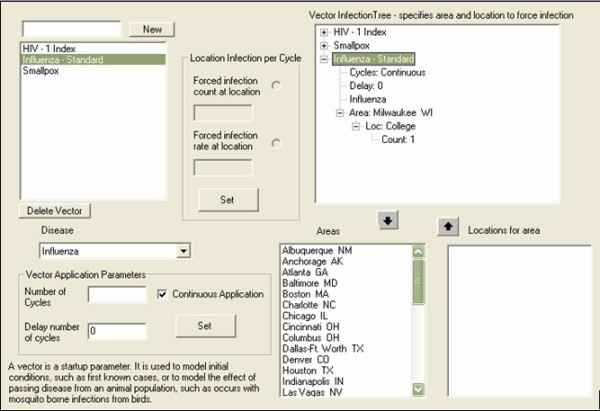
EpiFlex is a flexible, easy to use computer model for a single computer, intended to be operated by one user who need not be an expert. Its purpose is to study in-silico the epidemic behavior of a wide variety of diseases, both known and theoretical, by simulating their spread at the level of individuals contracting and infecting others. To understand the system fully, this paper must be read together in conjunction with study of the software and its results. EpiFlex is evaluated using results from modeling influenza A epidemics and comparing them with a variety of field data sources and other types of modeling. EpiFlex is an object-oriented Monte Carlo system, allocating entities to correspond to individuals, disease vectors, diseases, and the locations that hosts may inhabit. EpiFlex defines eight different contact types available for a disease. Contacts occur inside locations within the model. Populations are composed of demographic groups, each of which has a cycle of movement between locations. Within locations, superspreading is defined by skewing of contact distributions.
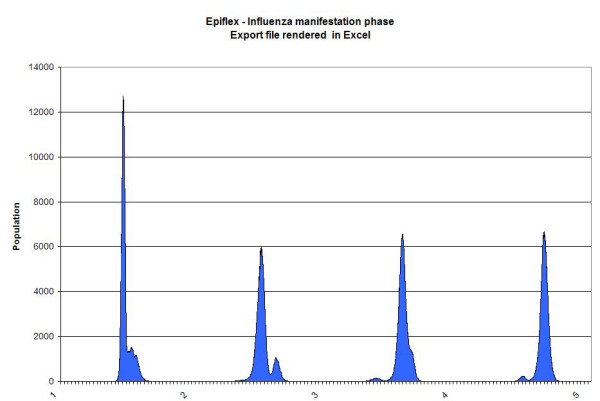
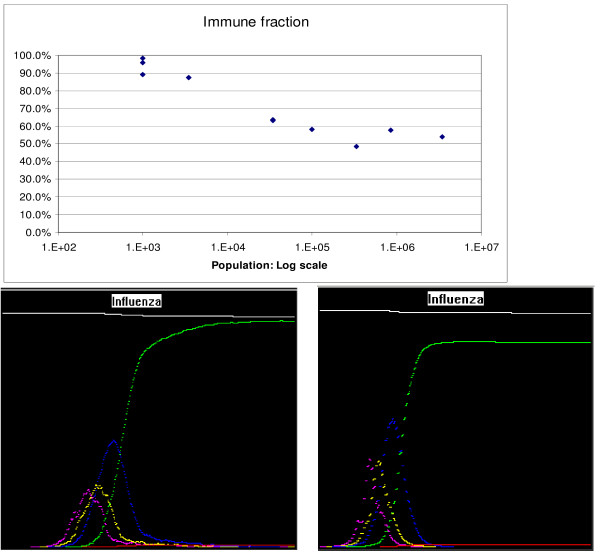
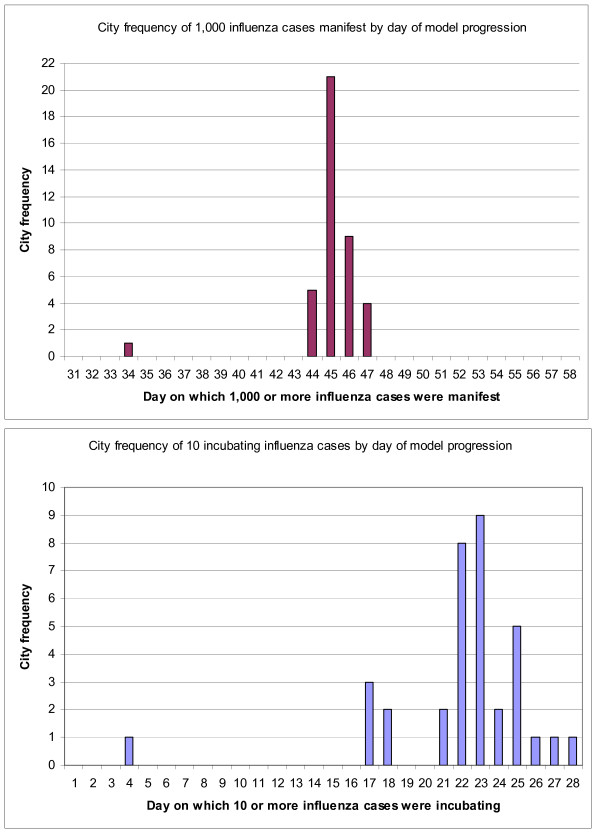
EpiFlex indicates three phenomena of interest for public health: (1) R0 is variable, and the smaller the population, the larger the infected fraction within that population will be; (2) significant compression/synchronization between cities by a factor of roughly 2 occurs between the early incubation phase of a multi-city epidemic and the major manifestation phase; (3) if better true morbidity data were available, more asymptomatic hosts would be seen to spread disease than we currently believe is the case for influenza. These results suggest that field research to study such phenomena, while expensive, should be worthwhile.
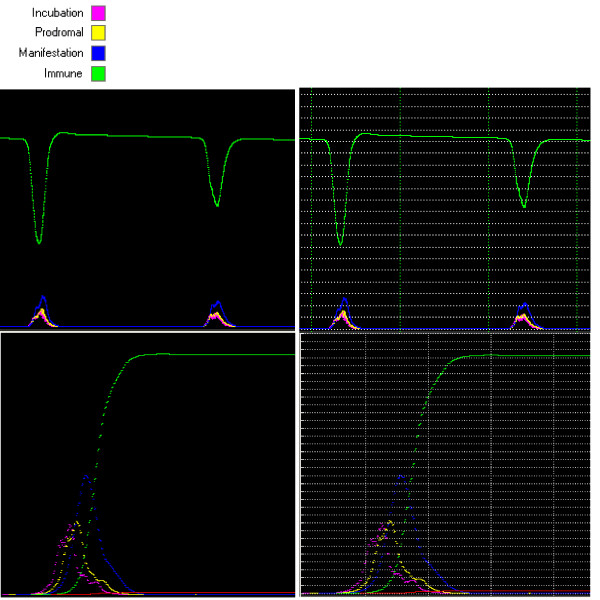
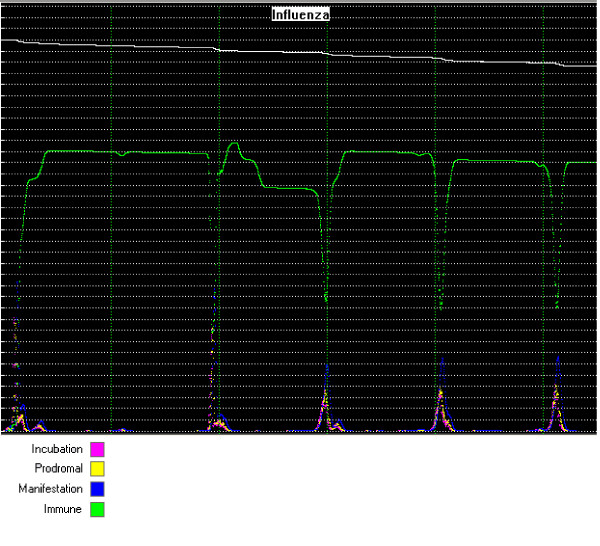
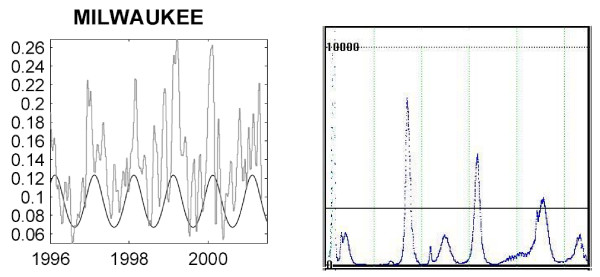
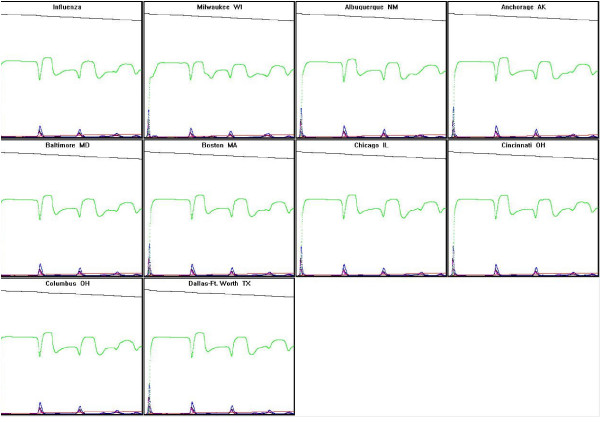
Since EpiFlex shows all stages of disease progression, detailed insight into the progress of epidemics is possible. EpiFlex shows the characteristic multimodality and apparently random variation characteristic of real world data, but does so as an emergent property of a carefully constructed model of disease dynamics and is not simply a stochastic system. EpiFlex can provide a better understanding of infectious diseases and strategies for response.
EpiFlex是一款适用于单台计算机的灵活且易于使用的计算机模型,旨在供无需具备专业知识的用户操作。其目的是通过模拟各种已知和理论上的疾病在个体层面的传播和感染情况,在计算机上研究这些疾病的流行行为。为全面理解该系统,必须结合对软件及其结果的研究一并阅读本文。通过对甲型流感疫情进行建模并将结果与各种实地数据源及其他类型的建模结果进行比较,对EpiFlex进行了评估。EpiFlex是一个面向对象的蒙特卡洛系统,将实体分配为对应个体、疾病媒介、疾病以及宿主可能居住的地点。EpiFlex定义了八种不同的疾病接触类型。接触发生在模型中的地点内部。人群由不同的人口统计学群体组成,每个群体在不同地点之间有一个移动周期。在各个地点内,超级传播是由接触分布的偏斜来定义的。
EpiFlex揭示了对公共卫生有意义的三个现象:(1)基本再生数(R0)是可变的,且人口规模越小,该人群中的感染比例就越大;(2)在多城市疫情的早期潜伏期和主要发病期之间,城市之间会出现约2倍的显著压缩/同步;(3)如果能获得更准确的实际发病率数据,会发现比我们目前认为的流感情况更多的无症状宿主传播疾病。这些结果表明,研究此类现象的实地研究虽然成本高昂,但应该是值得的。
由于EpiFlex展示了疾病进展的所有阶段,因此有可能深入了解疫情的发展过程。EpiFlex呈现出真实世界数据特有的多峰性和明显的随机变化特征,但这是精心构建的疾病动态模型的一种涌现属性,而不仅仅是一个随机系统。EpiFlex能够更好地理解传染病及其应对策略。