Bussmann Rainer W
University of Hawaii, Lyon Arboretum, 3860 Manoa Rd, Honolulu, HI 96822, USA.
J Ethnobiol Ethnomed. 2006 Sep 6;2:35. doi: 10.1186/1746-4269-2-35.
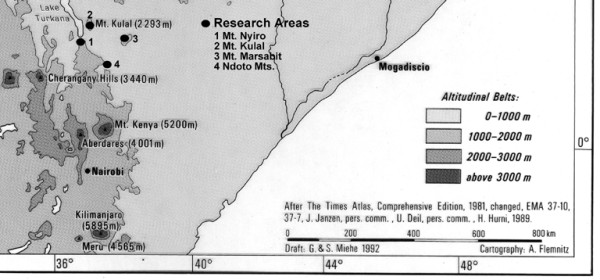
Traditional plant use is of extremely high importance in many societies, and prevalent in African communities. This knowledge is however dwindling rapidly due to changes towards a more Western lifestyle. The influence of modern tourism cannot be neglected in this context. This paper examines the plant use of the Samburu of the Mt. Nyiru area in Northern Kenya. The Samburu pastoralists of Kenya are still amongst the most traditional communities of the country and have retained most of their knowledge about the use of a large part of the plants in their environment for a wide variety of purposes. The results indicate that the local population has a very high knowledge of the plants in their surroundings, and attributes a purpose to a large percentage of the plants found. 448 plant species were collected, identified and their Samburu names and traditional uses recorded. 199 species were reported as of "no use". The high proportion of 249 plant species however had some traditional use: The highest number (180 species) was used as fodder, followed by 80 species that had medicinal use. Firewood (59 species), construction (42 species), tools (31 species), food (29 species) and ceremonial use (19 species) ranked far behind. Traditionally the Samburu attribute most illnesses to the effect of pollutants that block or inhibit digestion. This can include "polluted" food, contagion through sick people as well as witchcraft. In most cases the treatment of illness involves herbal purgatives to cleanse the patient. There are however frequent indications of plant use for common problems like wounds, parasites, body aches and burns. The change from a nomadic to a more sedentary lifestyle, often observed in other areas of the country, has affected the Samburu of remote Mt. Nyiru to a much lesser extent and did so far not lead to a major loss of traditional plant knowledge. However, overgrazing and over-exploitation of plant resources have already led to a decline of the plant material available.
传统植物用途在许多社会中极为重要,在非洲社区也很普遍。然而,由于生活方式日益西化,这种知识正在迅速减少。在这种背景下,现代旅游业的影响也不可忽视。本文研究了肯尼亚北部尼鲁山地区桑布鲁人的植物用途。肯尼亚的桑布鲁牧民仍是该国最传统的社区之一,他们保留了大部分关于利用周围环境中大部分植物实现多种用途的知识。结果表明,当地居民对周围的植物非常了解,并且为发现的大部分植物赋予了用途。共收集、鉴定了448种植物,并记录了它们的桑布鲁名称和传统用途。有199种植物被报告为“无用”。然而,249种植物有一些传统用途,占比很高:其中用作饲料的数量最多(180种),其次是有药用价值的80种。用作柴火(59种)、建筑材料(42种)、工具(31种)、食物(29种)和仪式用途(19种)的植物数量则远远落后。传统上,桑布鲁人将大多数疾病归因于阻碍或抑制消化的污染物的影响。这可能包括“受污染”的食物、病人的传染以及巫术。在大多数情况下,疾病治疗涉及使用草药泻药来净化病人。不过,也经常有使用植物治疗伤口、寄生虫、身体疼痛和烧伤等常见问题的迹象。该国其他地区常见的从游牧生活方式向更定居生活方式的转变,对偏远的尼鲁山地区的桑布鲁人的影响要小得多,到目前为止也没有导致传统植物知识的重大损失。然而,过度放牧和对植物资源的过度开发已经导致可用植物材料的减少。