Hue Sophie, Ahern Philip, Buonocore Sofia, Kullberg Marika C, Cua Daniel J, McKenzie Brent S, Powrie Fiona, Maloy Kevin J
Sir William Dunn School of Pathology, University of Oxford, Oxford OX1 3RE, England, UK.
J Exp Med. 2006 Oct 30;203(11):2473-83. doi: 10.1084/jem.20061099. Epub 2006 Oct 9.
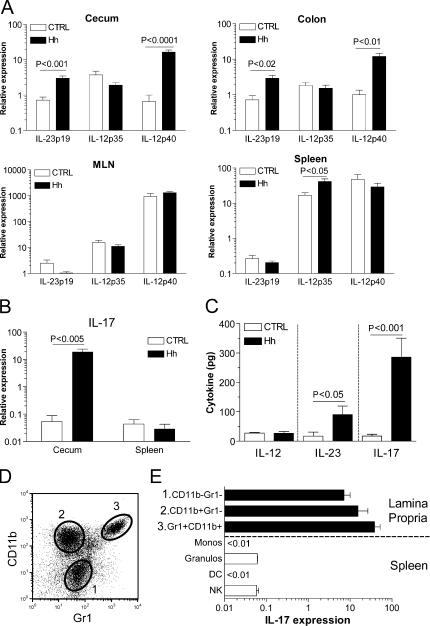
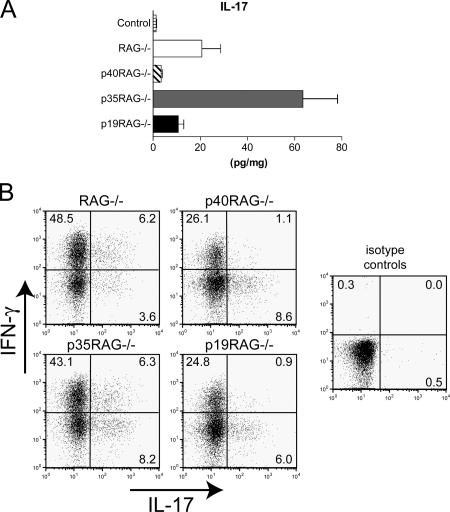
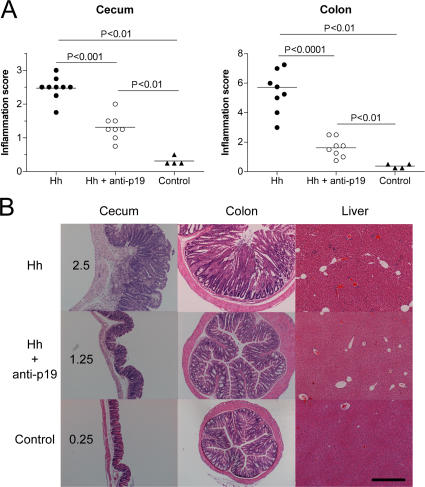
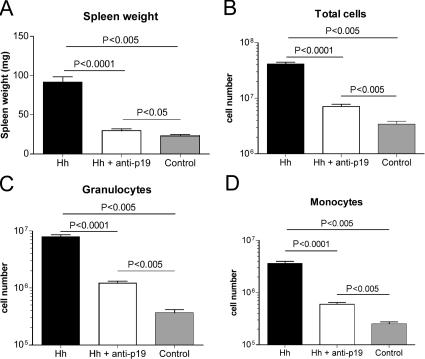
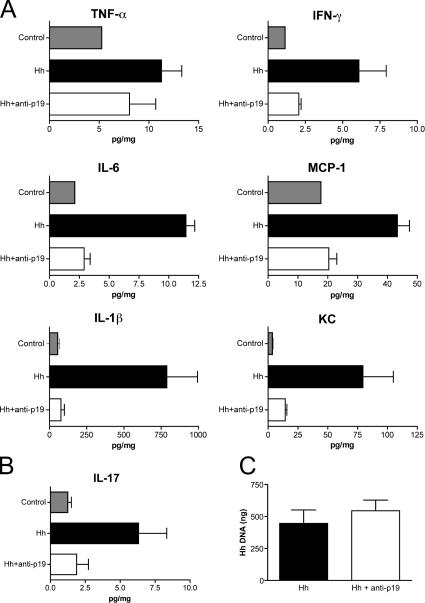
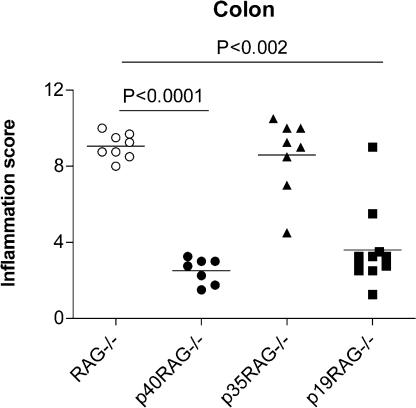
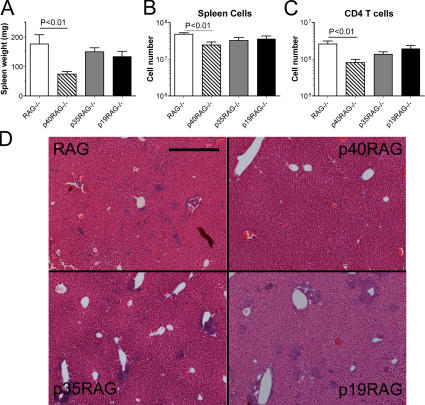
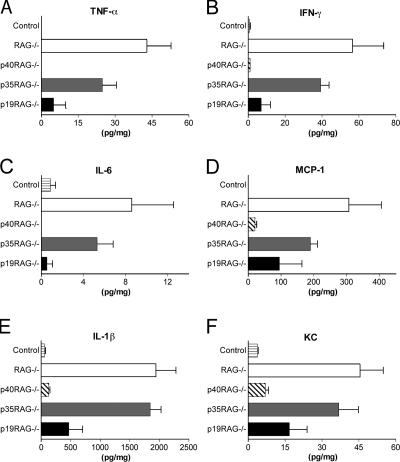
Inflammatory bowel disease (IBD) is a chronic inflammatory disorder of the gastrointestinal tract involving aberrant activation of innate and adaptive immune responses. We have used two complementary models of IBD to examine the roles of interleukin (IL)-12 family cytokines in bacterially induced intestinal inflammation. Our results clearly show that IL-23, but not IL-12, is essential for the induction of chronic intestinal inflammation mediated by innate or adaptive immune mechanisms. Depletion of IL-23 was associated with decreased proinflammatory responses in the intestine but had little impact on systemic T cell inflammatory responses. These results newly identify IL-23 as a driver of innate immune pathology in the intestine and suggest that selective targeting of IL-23 represents an attractive therapeutic approach in human IBD.
炎症性肠病(IBD)是一种胃肠道慢性炎症性疾病,涉及先天性和适应性免疫反应的异常激活。我们使用了两种互补的IBD模型来研究白细胞介素(IL)-12家族细胞因子在细菌诱导的肠道炎症中的作用。我们的结果清楚地表明,IL-23而非IL-12对于由先天性或适应性免疫机制介导的慢性肠道炎症的诱导至关重要。IL-23的耗竭与肠道中促炎反应的降低相关,但对全身T细胞炎症反应影响很小。这些结果新确定IL-23为肠道先天性免疫病理学的驱动因素,并表明选择性靶向IL-23是人类IBD中一种有吸引力的治疗方法。