Levitt David G
Department of Integrative Biology and Physiology, University of Minnesota, 6-125 Jackson Hall, Minneapolis, MN 55455, USA.
BMC Clin Pharmacol. 2007 Jan 20;7:1. doi: 10.1186/1472-6904-7-1.
The long time pharmacokinetics of highly lipid soluble compounds is dominated by blood-adipose tissue exchange and depends on the magnitude and heterogeneity of adipose blood flow. Because the adipose tissue is an infinite sink at short times (hours), the kinetics must be followed for days in order to determine if the adipose perfusion is heterogeneous. The purpose of this paper is to quantitate human adipose blood flow heterogeneity and determine its importance for human pharmacokinetics.
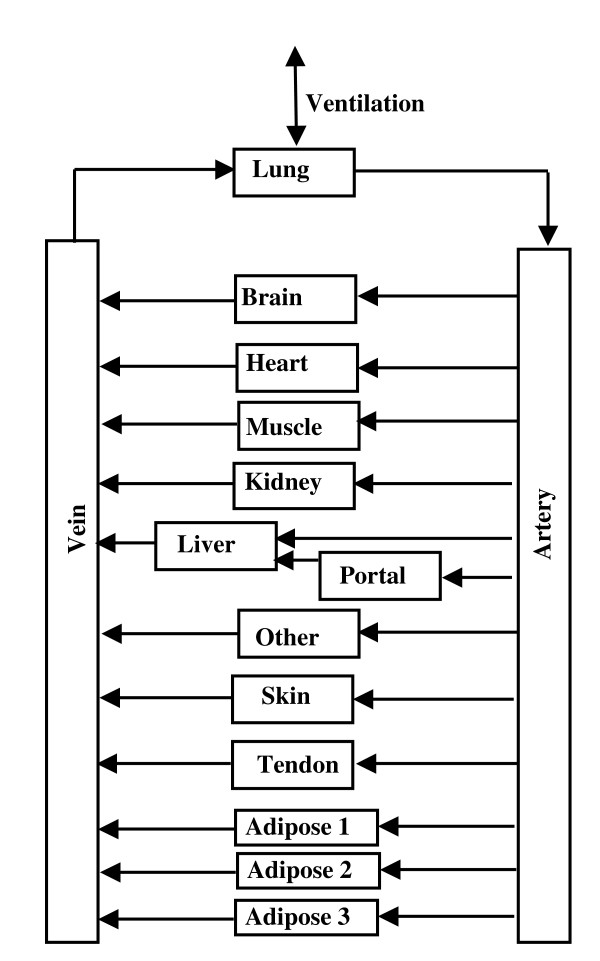
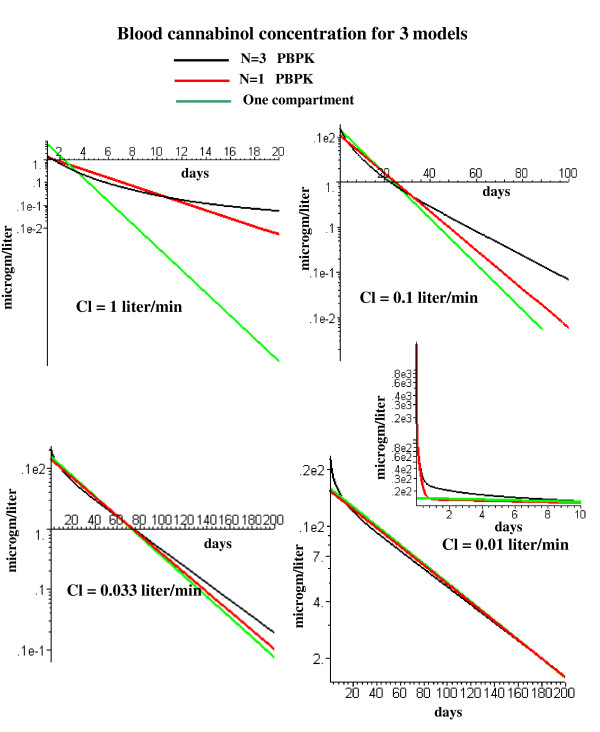
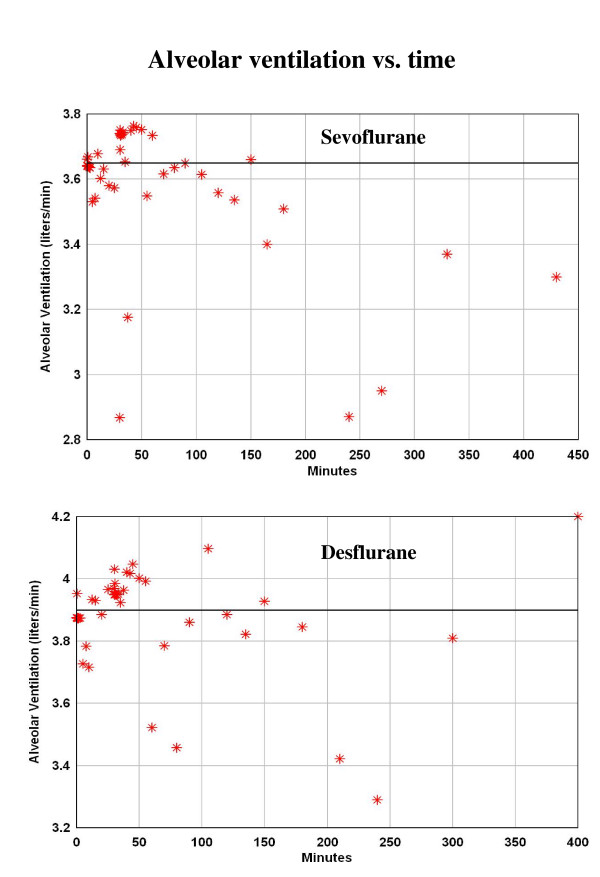
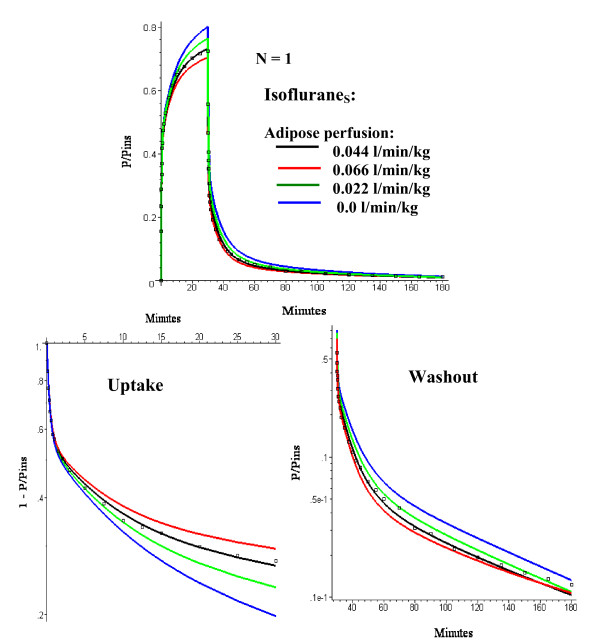
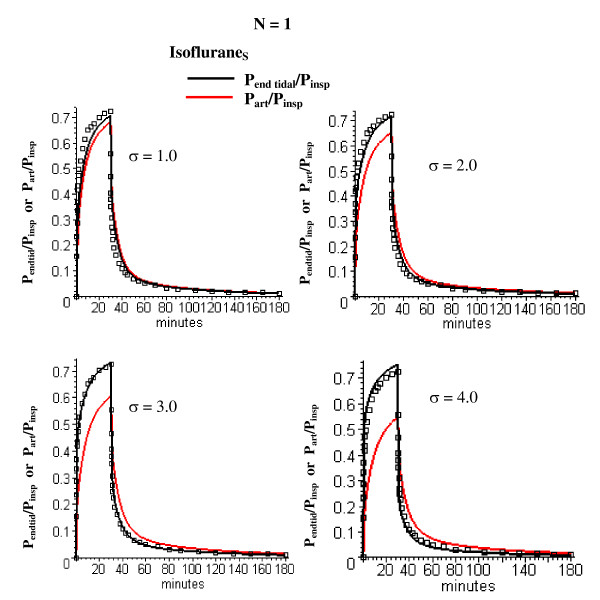
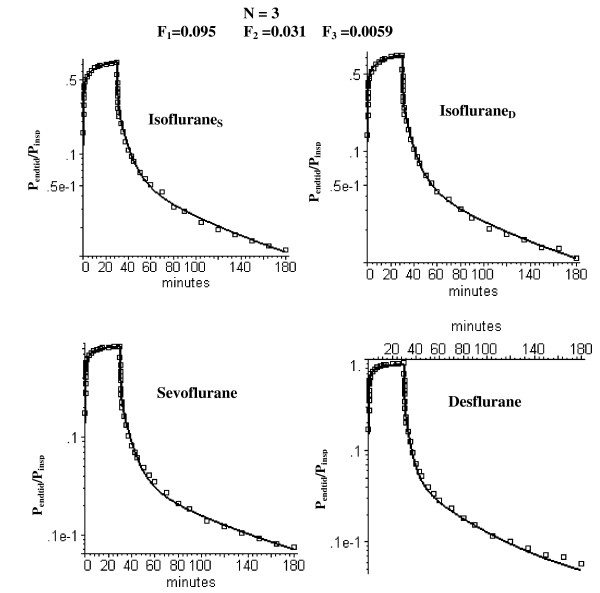
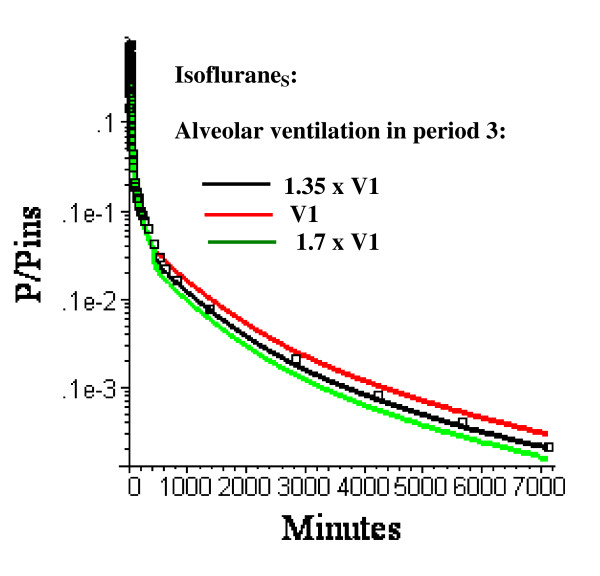
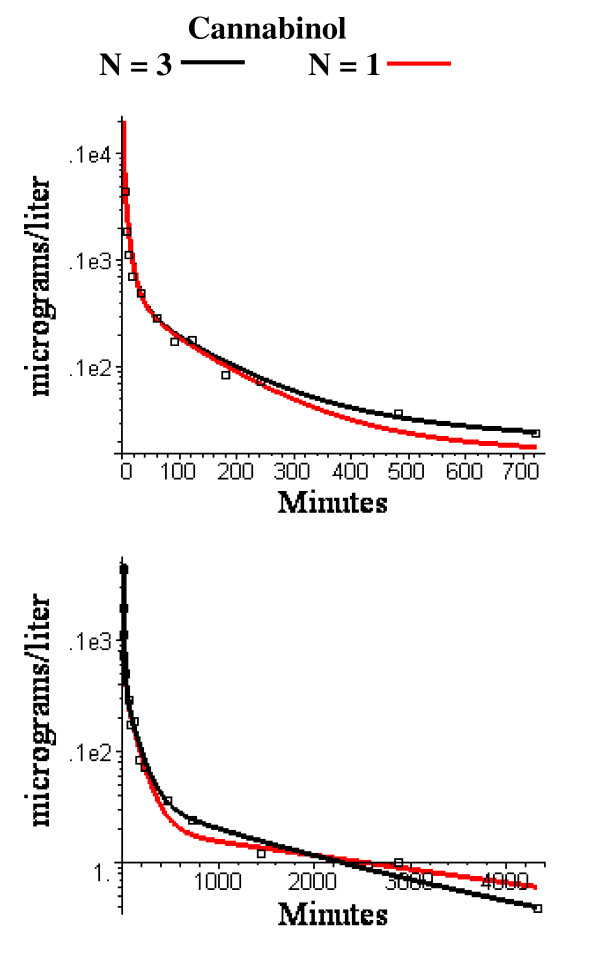
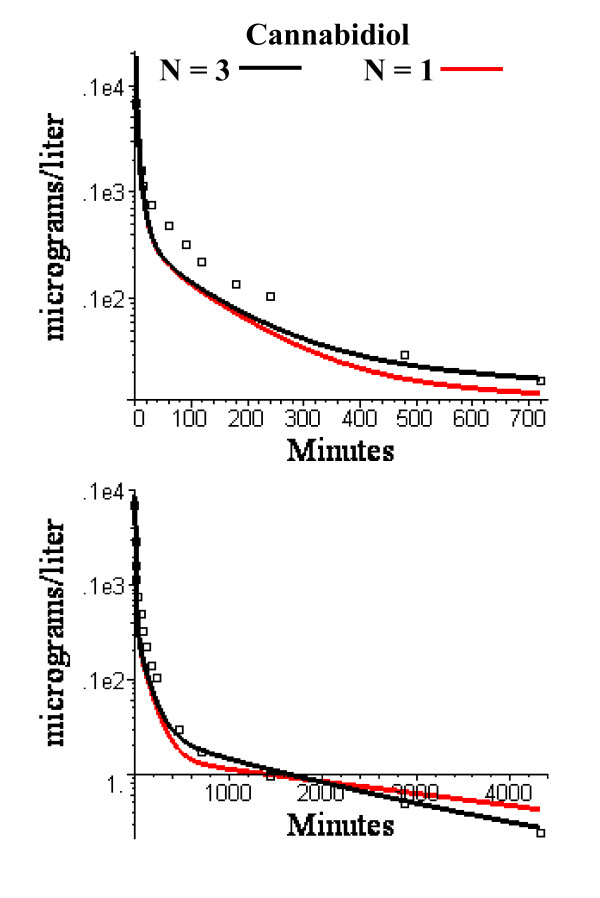
The heterogeneity was determined using a physiologically based pharmacokinetic model (PBPK) to describe the 6 day volatile anesthetic data previously published by Yasuda et. al. The analysis uses the freely available software PKQuest and incorporates perfusion-ventilation mismatch and time dependent parameters that varied from the anesthetized to the ambulatory period. This heterogeneous adipose perfusion PBPK model was then tested by applying it to the previously published cannabidiol data of Ohlsson et. al. and the cannabinol data of Johansson et. al.
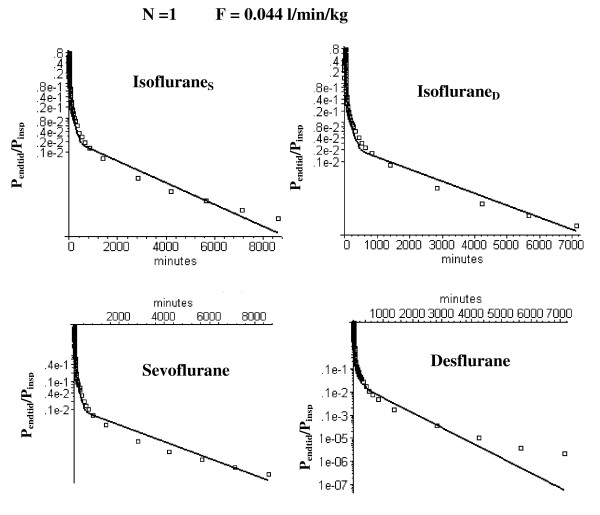
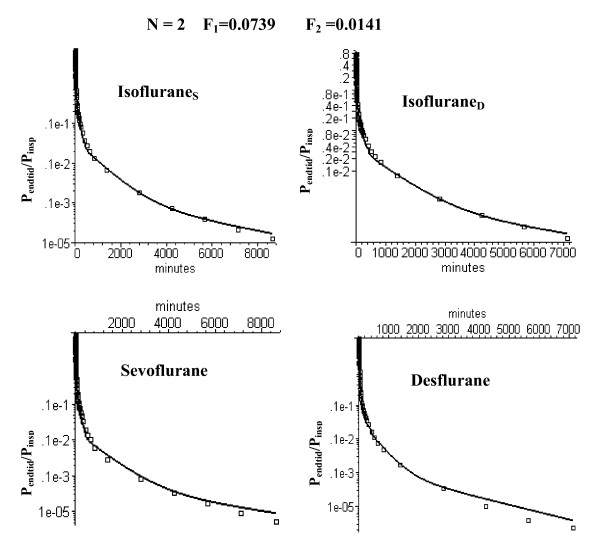
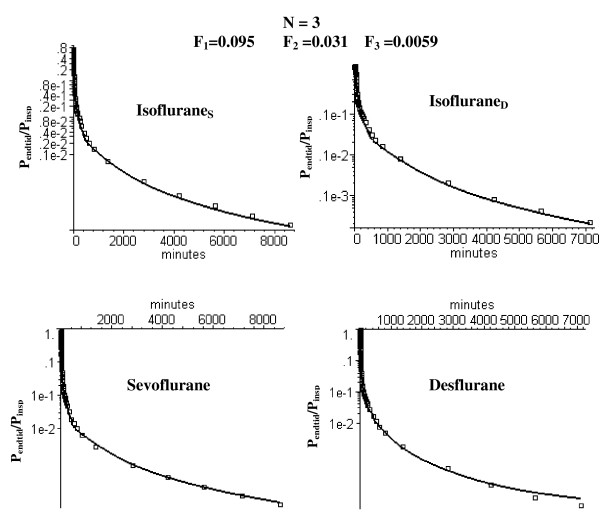
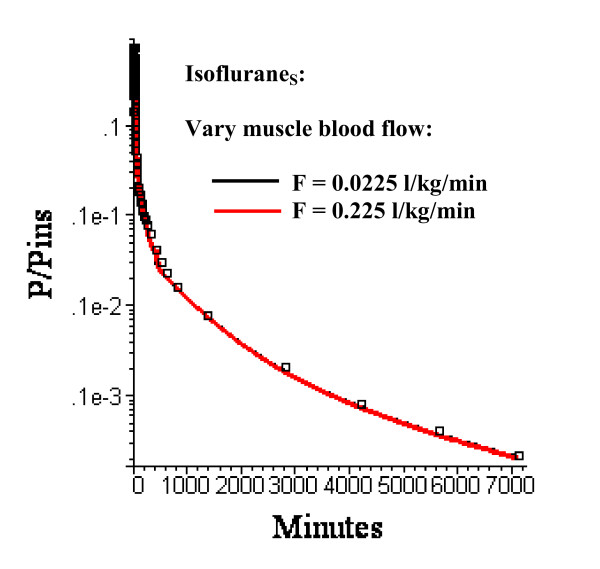
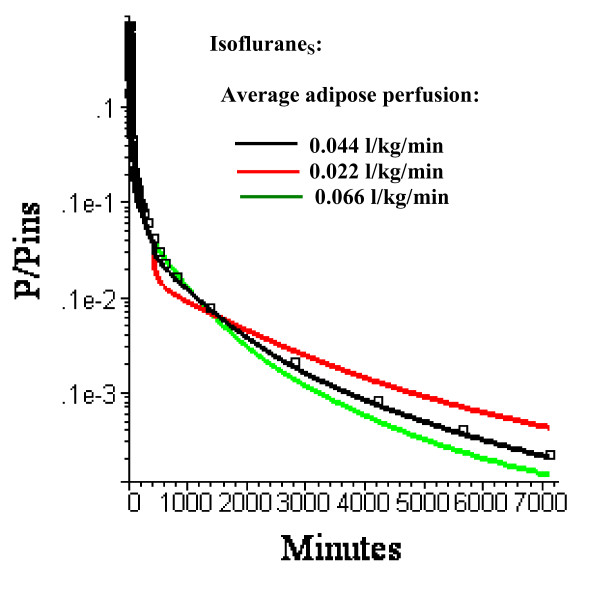
The volatile anesthetic kinetics at early times have only a weak dependence on adipose blood flow while at long times the pharmacokinetics are dominated by the adipose flow and are independent of muscle blood flow. At least 2 adipose compartments with different perfusion rates (0.074 and 0.014 l/kg/min) were needed to describe the anesthetic data. This heterogeneous adipose PBPK model also provided a good fit to the cannabinol data.
Human adipose blood flow is markedly heterogeneous, varying by at least 5 fold. This heterogeneity significantly influences the long time pharmacokinetics of the volatile anesthetics and tetrahydrocannabinol. In contrast, using this same PBPK model it can be shown that the long time pharmacokinetics of the persistent lipophilic compounds (dioxins, PCBs) do not depend on adipose blood flow. The ability of the same PBPK model to describe both the anesthetic and cannabinol kinetics provides direct qualitative evidence that their kinetics are flow limited and that there is no significant adipose tissue diffusion limitation.
高度脂溶性化合物的长时间药代动力学主要由血液 - 脂肪组织交换主导,并取决于脂肪血流的大小和异质性。由于脂肪组织在短时间(数小时)内是一个无限的储存库,因此必须跟踪数天的动力学过程,以确定脂肪灌注是否存在异质性。本文的目的是量化人体脂肪血流的异质性,并确定其对人体药代动力学的重要性。
使用基于生理的药代动力学模型(PBPK)来确定异质性,以描述Yasuda等人先前发表的6天挥发性麻醉剂数据。该分析使用免费软件PKQuest,并纳入了灌注 - 通气不匹配以及从麻醉期到非麻醉期变化的时间依赖性参数。然后将这种异质性脂肪灌注PBPK模型应用于Ohlsson等人先前发表的大麻二酚数据和Johansson等人的大麻酚数据进行测试。
早期挥发性麻醉剂动力学对脂肪血流的依赖性较弱,而长时间药代动力学则由脂肪血流主导,且与肌肉血流无关。至少需要2个具有不同灌注率(0.074和 0.014升/千克/分钟)的脂肪隔室来描述麻醉数据。这种异质性脂肪PBPK模型也很好地拟合了大麻酚数据。
人体脂肪血流存在明显的异质性,变化至少5倍。这种异质性显著影响挥发性麻醉剂和四氢大麻酚的长时间药代动力学。相比之下,使用相同的PBPK模型可以表明,持久性亲脂性化合物(二恶英、多氯联苯)的长时间药代动力学不依赖于脂肪血流。同一PBPK模型能够描述麻醉剂和大麻酚动力学,这提供了直接的定性证据,表明它们的动力学受血流限制,且不存在明显的脂肪组织扩散限制。