Rong Qifei, Huang Jun, Su Enben, Li Jun, Li Jianyong, Zhang Lili, Cao Kejiang
Department of Cardiology, First Affiliated Hospital of Nanjing Medical University, Nanjing 210029, People's Republic of China.
Virol J. 2007 Apr 2;4:36. doi: 10.1186/1743-422X-4-36.
Hepatitis B virus (HBV) replication has been reported to be involved in many extrahepatic viral disorders; however, the mechanism by which HBV is trans-infected into extrahepatic tissues such as HBV associated myocarditis remains largely unknown.
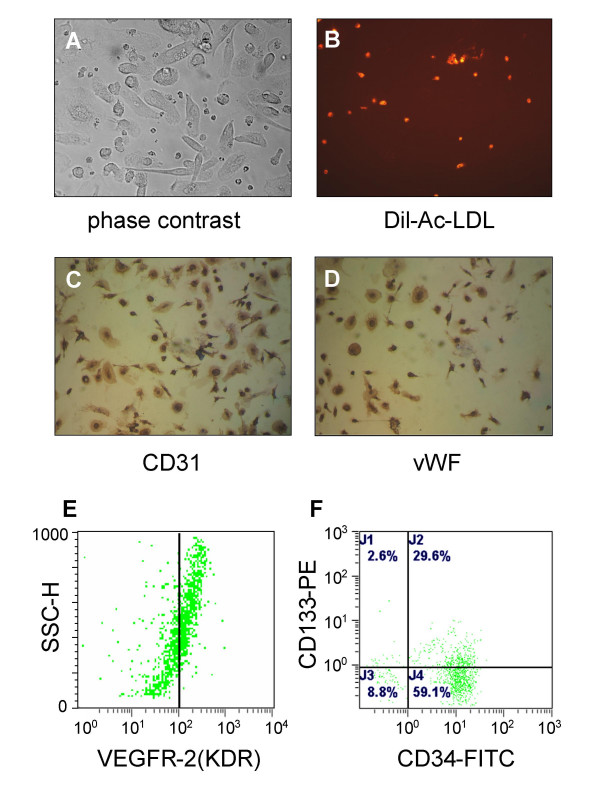
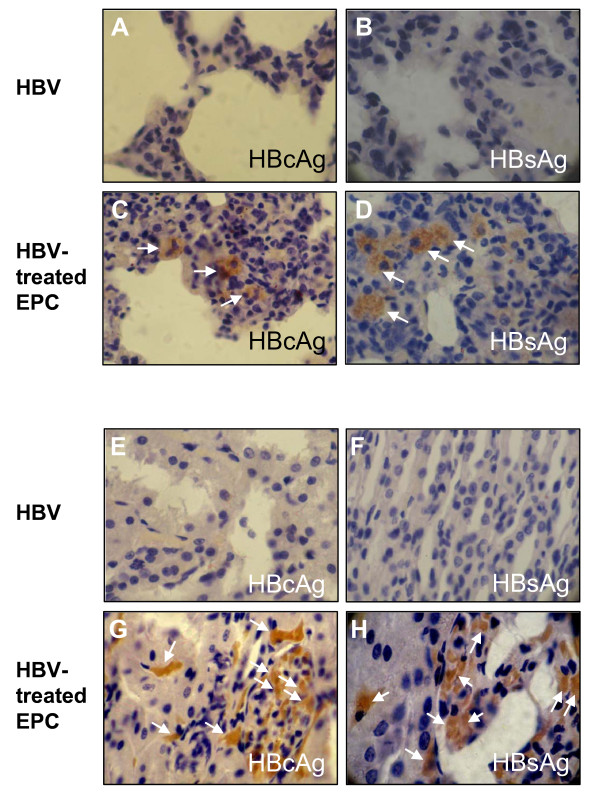
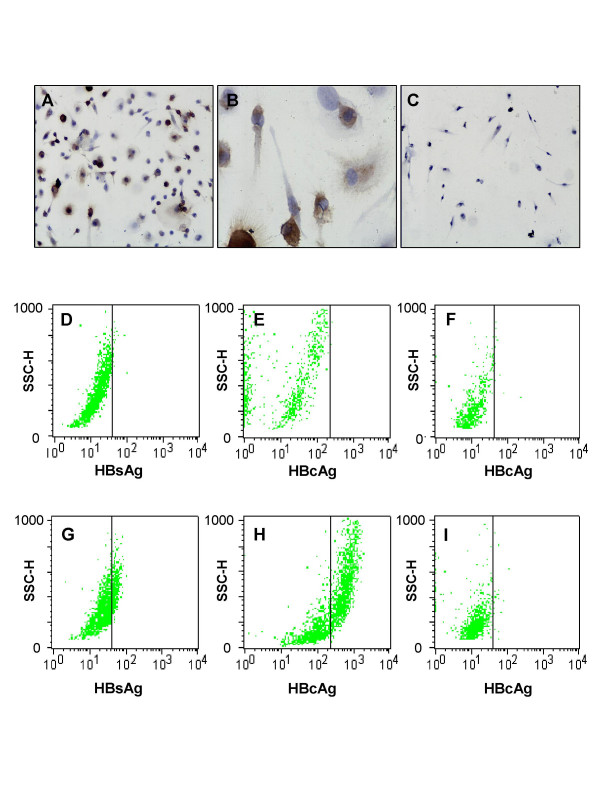
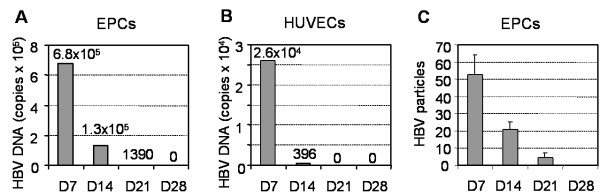
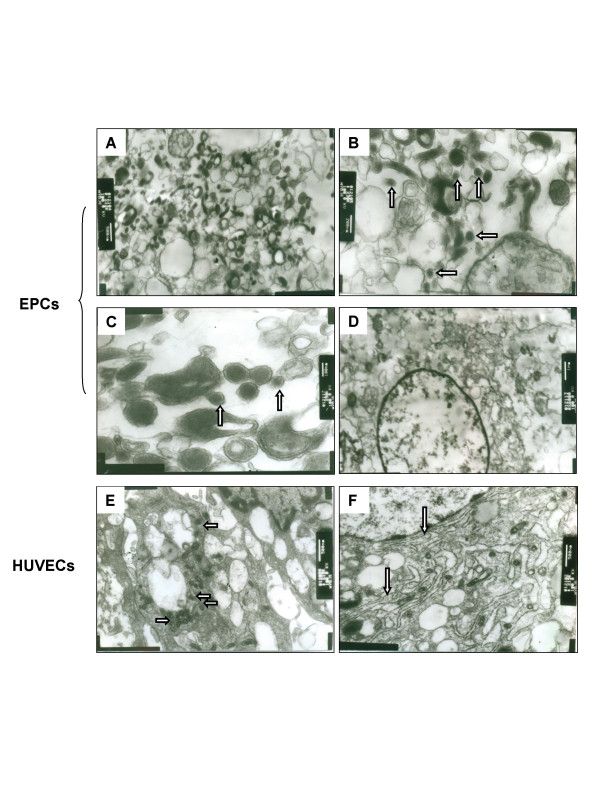
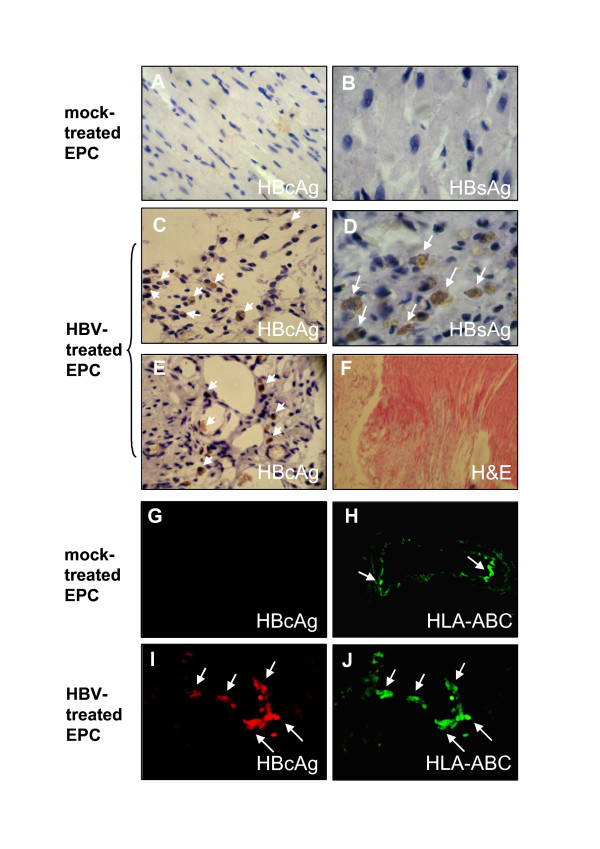
In this study, we showed that human cord blood endothelial progenitor cells (EPCs), but not human umbilical vein endothelial cells (HUVECs) could be effectively infected by uptake of HBV in vitro. Exposure of EPCs with HBV resulted in HBV DNA and viral particles were detected in EPCs at day 3 after HBV challenge, which were peaked around day 7 and declined in 3 weeks. Consistently, HBV envelope surface and core antigens were first detected in EPCs at day 3 after virus challenge and were retained to be detectable for 3 weeks. In contrast, HBV covalently closed circular DNA was not detected in EPCs at any time after virus challenge. Intravenous transplantation of HBV-treated EPCs into myocardial infarction and acute renal ischemia mouse model resulted in incorporation of HBV into injured heart, lung, and renal capillary endothelial tissues.
These results strongly support that EPCs serve as virus carrier mediating HBV trans-infection into the injured endothelial tissues. The findings might provide a novel mechanism for HBV-associated myocarditis and other HBV-related extrahepatic diseases as well.
据报道,乙型肝炎病毒(HBV)复制与许多肝外病毒疾病有关;然而,HBV如何转染到肝外组织,如HBV相关性心肌炎,其机制仍 largely unknown。
在本研究中,我们表明人脐带血内皮祖细胞(EPCs),而非人脐静脉内皮细胞(HUVECs),在体外可通过摄取HBV被有效感染。用HBV处理EPCs后,在HBV攻击后第3天可在EPCs中检测到HBV DNA和病毒颗粒,在第7天左右达到峰值,并在3周内下降。一致地,在病毒攻击后第3天首次在EPCs中检测到HBV包膜表面抗原和核心抗原,并在3周内均可检测到。相比之下,在病毒攻击后的任何时间,EPCs中均未检测到HBV共价闭合环状DNA。将经HBV处理的EPCs静脉移植到心肌梗死和急性肾缺血小鼠模型中,导致HBV整合到受损的心脏、肺和肾毛细血管内皮组织中。
这些结果有力地支持了EPCs作为病毒载体介导HBV转染到受损内皮组织中。这些发现可能也为HBV相关性心肌炎和其他HBV相关肝外疾病提供了一种新机制。