Afshar A, Bundza A, Myers D J, Dulac G C, Thomas F C
Can Vet J. 1986 Aug;27(8):301-6.
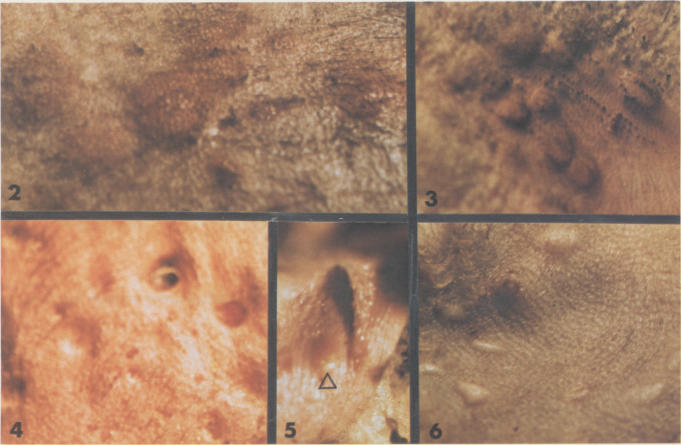
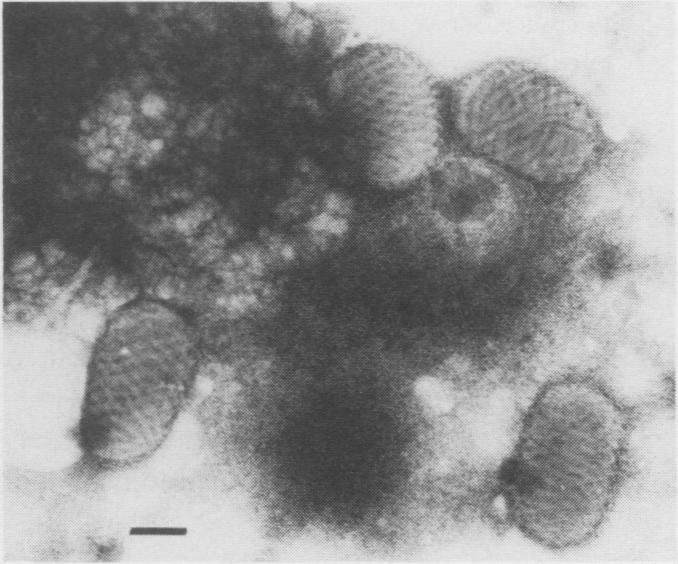
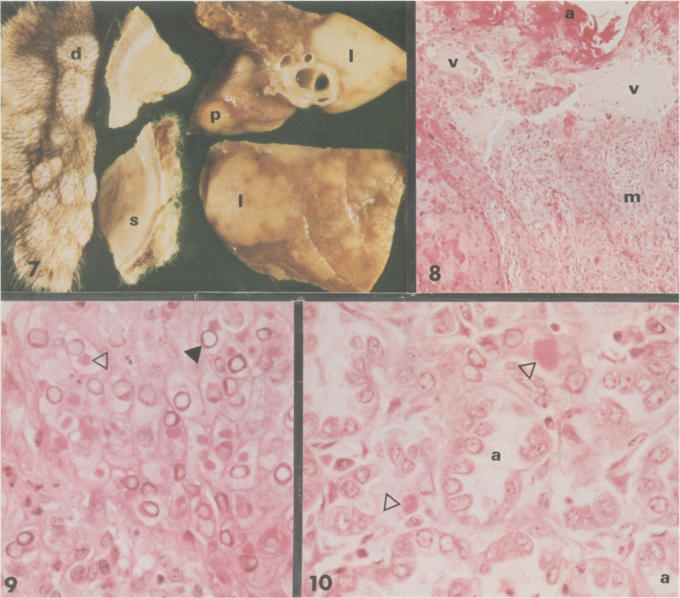
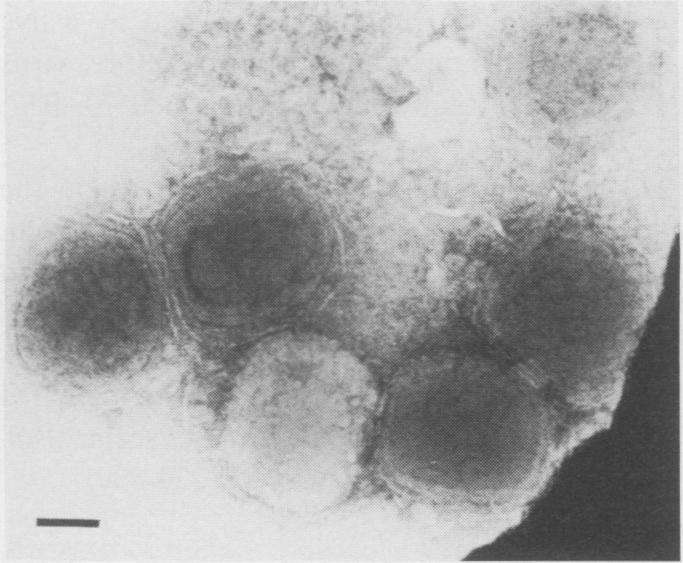
Under conditions of a maximum security laboratory, four cross-bred sheep were inoculated intradermally only or intradermally and intratracheally with a West African isolate of sheep pox virus. All sheep had increased temperature and depression by the fourth or fifth day after infection. Nasal and lacrimal discharge and coughing occurred in all sheep but were more severe in sheep receiving the virus via the tracheal route. From the fifth day after infection, numerous papular erythematous skin lesions developed at the inoculation sites. These were 3-7 mm in diameter and gradually became nodular. Some of these lesions healed and others coalesced to form tumorlike masses. In one sheep, euthanized 14 days after intradermal and intratracheal inoculation, nodular lesions were found in the skin around the eyes, nostrils, oral and perianal regions, the mucosa of the rumen and throughout the lungs. Histologically, skin nodules were characterized by ischemic necrosis, vasculitis, microvesicualtion, eosinophilic cytoplasmic inclusions in the dermal epithelial cells and vacuolar nuclear degeneration. The pulmonary lesion was that of proliferative alveolitis with occasional cytoplasmic inclusions in the alveolar cells and macrophages. Ultrastructurally, large cuboidal virus particles were found both in the skin lesion and inoculated tissue cultures. The sheep pox virus structure was easily distinguished from contagious ecthyma virus, a parapoxvirus which causes sporadic disease in Canada. Serum neutralizing antibodies developed in all the sheep by 14 days postinfection.The clinical and pathological characteristics of experimental sheep pox produced with this West African isolate were similar to those caused by Neethling virus of lumpy skin disease in cattle.
在最高安全级别的实验室条件下,对四只杂交绵羊仅进行皮内接种,或皮内和气管内接种西非绵羊痘病毒分离株。感染后第四天或第五天,所有绵羊体温升高且精神沉郁。所有绵羊均出现鼻泪分泌物和咳嗽,但经气管途径接种病毒的绵羊症状更严重。感染后第五天起,接种部位出现大量丘疹性红斑皮肤病变。这些病变直径为3 - 7毫米,逐渐变成结节状。其中一些病变愈合,另一些融合形成肿瘤样肿块。在一只皮内和气管内接种14天后安乐死的绵羊中,在眼周、鼻孔、口腔和肛周区域的皮肤、瘤胃黏膜及整个肺部发现结节性病变。组织学上,皮肤结节的特征为缺血性坏死、血管炎、微泡形成、真皮上皮细胞嗜酸性胞质内包涵体及核空泡变性。肺部病变为增殖性肺泡炎,肺泡细胞和巨噬细胞偶尔可见胞质内包涵体。超微结构上,在皮肤病变和接种的组织培养物中均发现大型立方形病毒颗粒。绵羊痘病毒结构很容易与传染性脓疱性皮炎病毒区分,后者是一种副痘病毒,在加拿大引起散发性疾病。感染后14天,所有绵羊均产生血清中和抗体。用这种西非分离株引发的实验性绵羊痘的临床和病理特征与牛结节性皮肤病的内斯林病毒引发者相似。