O'donnell Mark E, Badger Stephen A, Campbell David, Loan Willie, Sinnott Brendan
Department of Surgery, Belfast City Hospital, Lisburn Road, Belfast BT9 7AB, Northern Ireland, UK.
J Med Case Rep. 2007 Apr 20;1:11. doi: 10.1186/1752-1947-1-11.
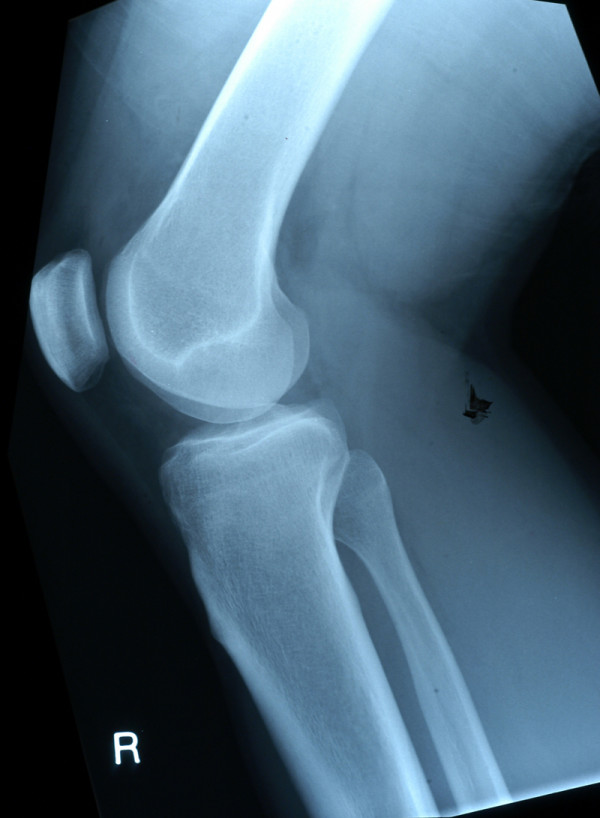
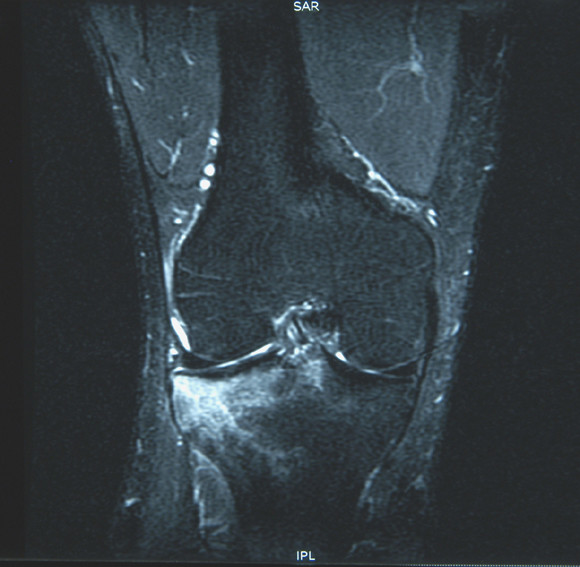
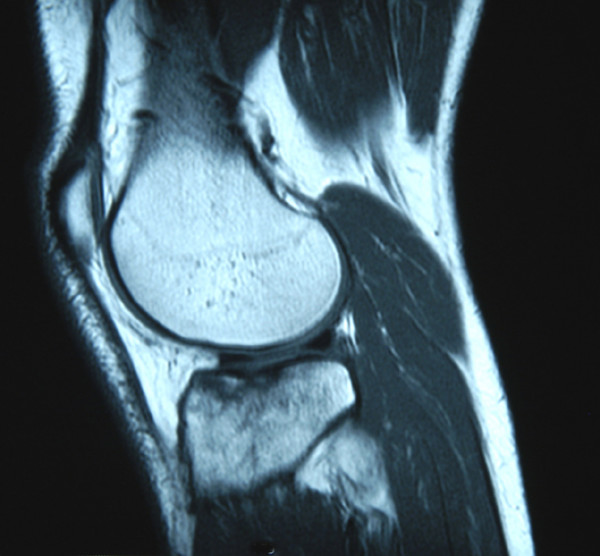
Skiing as a recreational activity has increased exponentially in the last twenty-years. Similar to any sporting activity, participants can sustain various types of injury, which provides the emergency departments with a continuous supply of patients. The injury pattern from the slopes has also changed over this time period, due to alterations and improvements in ski equipment. An increased diversity in alpine skiing techniques, as well as snowboarding and cross-terrain disciplines has also influenced this change.We present a multi-media experience of a high-speed ski fall that caused a valgus-external rotation injury to the right knee that precluded the patient from further ski activity. There was no bruising, swelling or instability demonstrated and the patient returned to ski activities 24-hours post-injury. Although this injury appeared clinically benign initially, the patient complained of persistent pain around the right knee which was causing occupational difficulties. Following normal clinical assessment, the patient returned to work but continued to complain of persistent pain at the lateral aspect of the right knee. Magnetic Resonance Imaging (MRI) demonstrated extensive bone marrow oedema (BMO), a mild depression of the articular cortex compression with a small focus of articular cartilage disruption and microfractures of the lateral tibial plateau. The patient was treated conservatively and remains well with avoidance of impact exercises 14-months post-injury.In the presence of any high speed injury, we would stress that regardless of initial normal investigations, clinical suspicion should remain paramount and not deter the physician from further investigation in the presence of continuing symptomatology.
在过去二十年中,滑雪作为一项休闲活动呈指数级增长。与任何体育活动一样,参与者可能会遭受各种类型的损伤,这使得急诊科有源源不断的患者。在此期间,由于滑雪设备的改进,从雪道上受伤的模式也发生了变化。高山滑雪技术、单板滑雪和越野项目的多样性增加也影响了这一变化。我们展示了一次高速滑雪摔倒的多媒体体验,这次摔倒导致右膝出现外翻外旋损伤,使患者无法继续滑雪活动。受伤后未出现瘀伤、肿胀或不稳定情况,患者在受伤24小时后恢复了滑雪活动。尽管最初这种损伤在临床上看似不严重,但患者抱怨右膝周围持续疼痛,这给工作带来了困难。经过正常的临床评估,患者重返工作岗位,但仍抱怨右膝外侧持续疼痛。磁共振成像(MRI)显示广泛的骨髓水肿(BMO),关节皮质轻度凹陷伴小面积关节软骨破裂和胫骨外侧平台微骨折。患者接受了保守治疗,受伤14个月后,通过避免冲击性运动,情况良好。对于任何高速损伤,我们要强调的是,无论最初的检查结果是否正常,临床怀疑都应至关重要,在患者持续出现症状时,不应阻止医生进行进一步检查。