Department of Internal Medicine, The University of Texas Health Science Center, Houston, 6431 Fannin St, Houston, TX 77030, USA.
J Nanobiotechnology. 2007 Aug 2;5:6. doi: 10.1186/1477-3155-5-6.
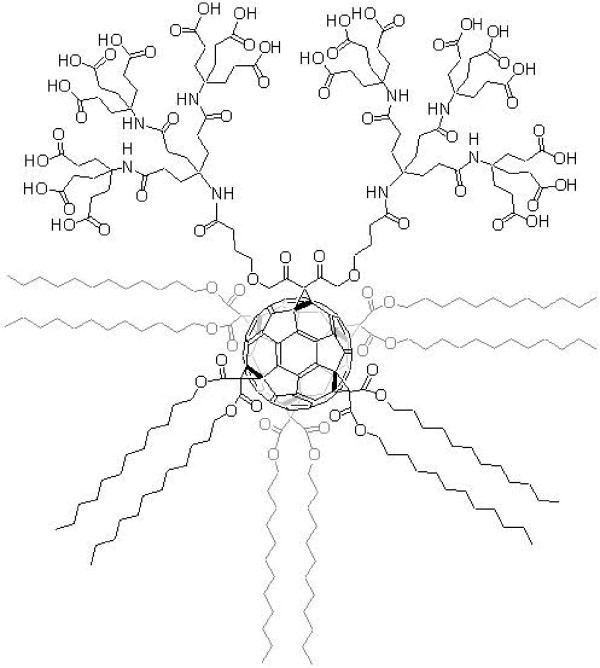
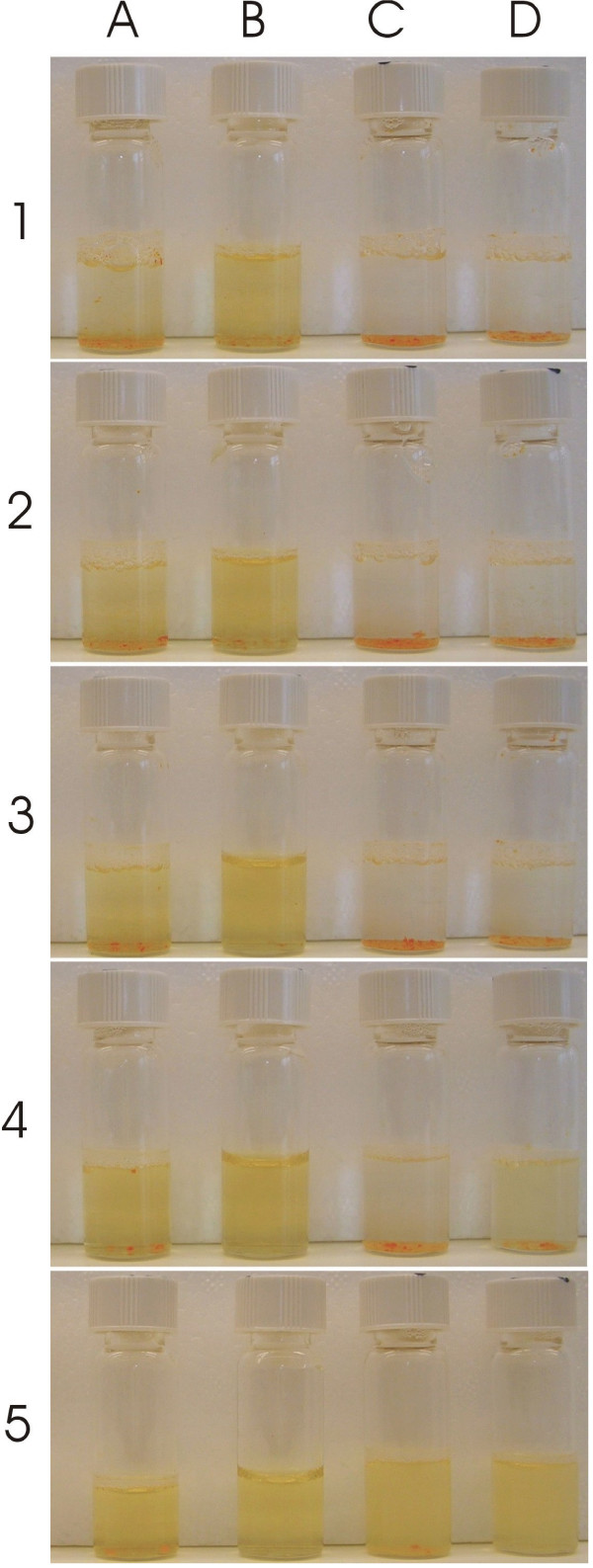
The amphiphilic fullerene monomer (AF-1) consists of a "buckyball" cage to which a Newkome-like dendrimer unit and five lipophilic C12 chains positioned octahedrally to the dendrimer unit are attached. In this study, we report a novel fullerene-based liposome termed 'buckysome' that is water soluble and forms stable spherical nanometer sized vesicles. Cryogenic electron microscopy (Cryo-EM), transmission electron microscopy (TEM), and dynamic light scattering (DLS) studies were used to characterize the different supra-molecular structures readily formed from the fullerene monomers under varying pH, aqueous solvents, and preparative conditions.
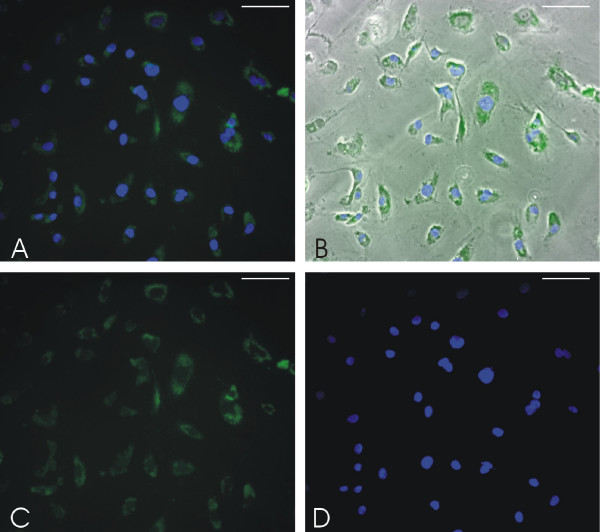
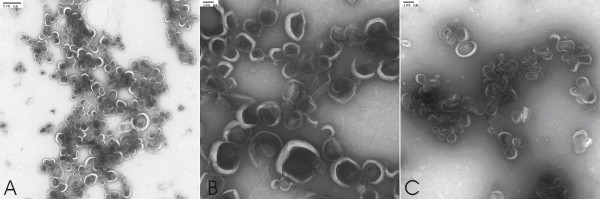
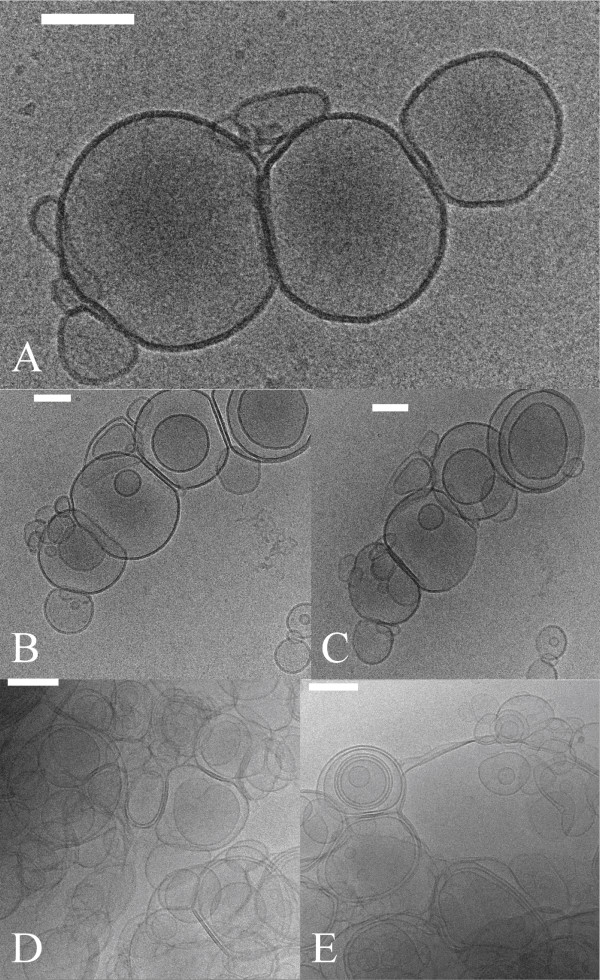
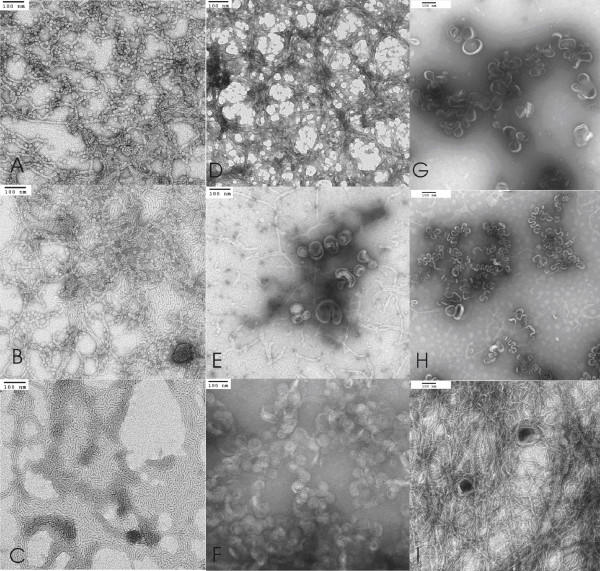
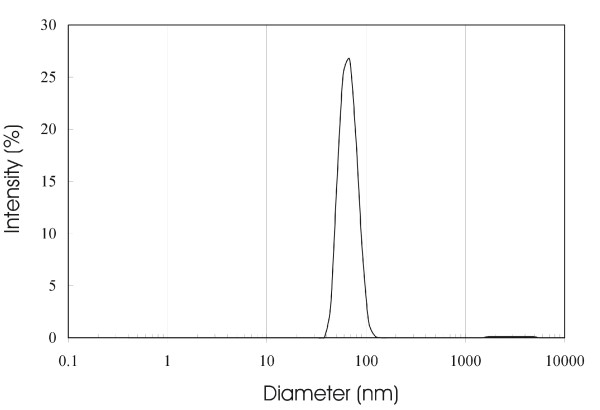
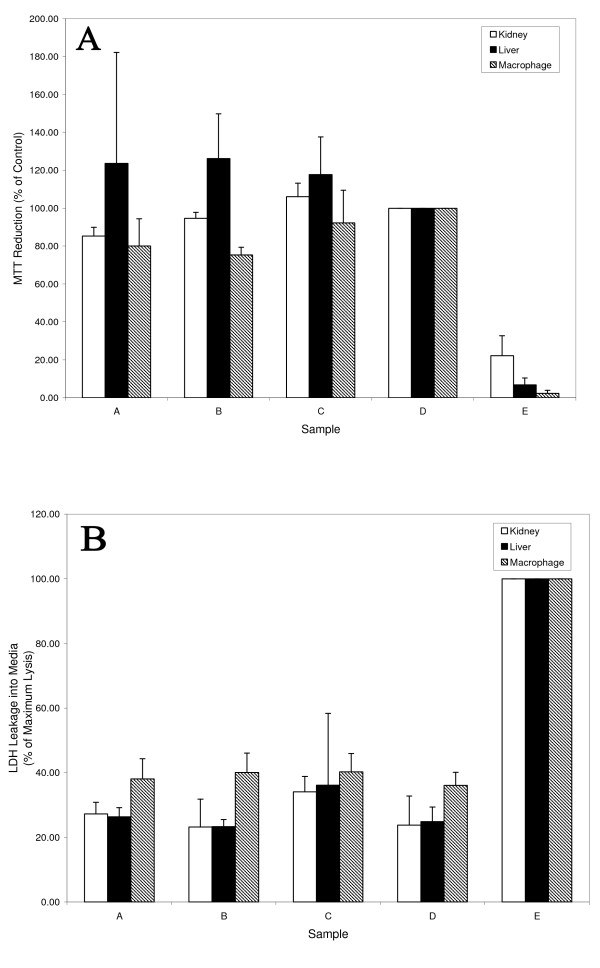
Electron microscopy results indicate the formation of bilayer membranes with a width of ~6.5 nm, consistent with previously reported molecular dynamics simulations. Cryo-EM indicates the formation of large (400 nm diameter) multilamellar, liposome-like vesicles and unilamellar vesicles in the size range of 50-150 nm diameter. In addition, complex networks of cylindrical, tube-like aggregates with varying lengths and packing densities were observed. Under controlled experimental conditions, high concentrations of spherical vesicles could be formed. In vitro results suggest that these supra-molecular structures impose little to no toxicity. Cytotoxicity of 10-200 muM buckysomes were assessed in various cell lines. Ongoing studies are aimed at understanding cellular internalization of these nanoparticle aggregates.
In this current study, we have designed a core platform based on a novel amphiphilic fullerene nanostructure, which readily assembles into supra-molecular structures. This delivery vector might provide promising features such as ease of preparation, long-term stability and controlled release.
两亲性富勒烯单体(AF-1)由一个“巴基球”笼组成,该笼上连接有一个类似 Newkome 的树枝状单元和五个位于树枝状单元八面体位置的亲脂性 C12 链。在这项研究中,我们报告了一种新型的基于富勒烯的脂质体,称为“buckysome”,它水溶性好,形成稳定的球形纳米尺寸的囊泡。低温电子显微镜(Cryo-EM)、透射电子显微镜(TEM)和动态光散射(DLS)研究用于表征在不同 pH 值、水溶剂和制备条件下,富勒烯单体容易形成的不同超分子结构。
电子显微镜结果表明,在不同 pH 值、水溶剂和制备条件下,形成了具有约 6.5nm 宽度的双层膜,与先前报道的分子动力学模拟结果一致。Cryo-EM 表明形成了大(400nm 直径)多层、类脂质体囊泡和直径在 50-150nm 范围内的单一层状囊泡。此外,观察到具有不同长度和堆积密度的圆柱形、管状聚集体的复杂网络。在受控实验条件下,可以形成高浓度的球形囊泡。体外结果表明,这些超分子结构几乎没有毒性。在各种细胞系中评估了 10-200μM buckysomes 的细胞毒性。正在进行的研究旨在了解这些纳米颗粒聚集体的细胞内摄取。
在本研究中,我们设计了一个基于新型两亲性富勒烯纳米结构的核心平台,该平台很容易组装成超分子结构。这种递送载体可能具有易于制备、长期稳定性和控制释放等有前途的特性。