Kitagaki Hiroshi, Cowart L Ashley, Matmati Nabil, Vaena de Avalos Silvia, Novgorodov Sergei A, Zeidan Youssef H, Bielawski Jacek, Obeid Lina M, Hannun Yusuf A
Department of Biochemistry and Molecular Biology, Medical University of South Carolina, Charleston, SC 29425, USA.
Biochim Biophys Acta. 2007 Nov;1768(11):2849-61. doi: 10.1016/j.bbamem.2007.07.019. Epub 2007 Aug 10.
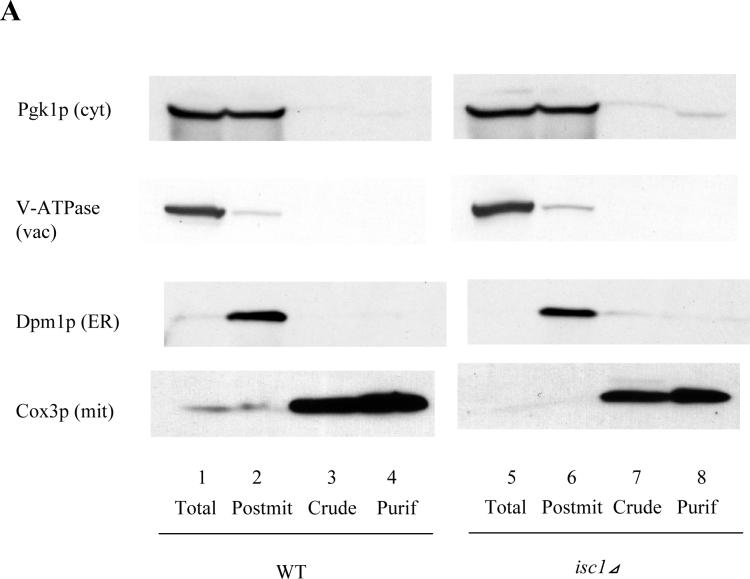
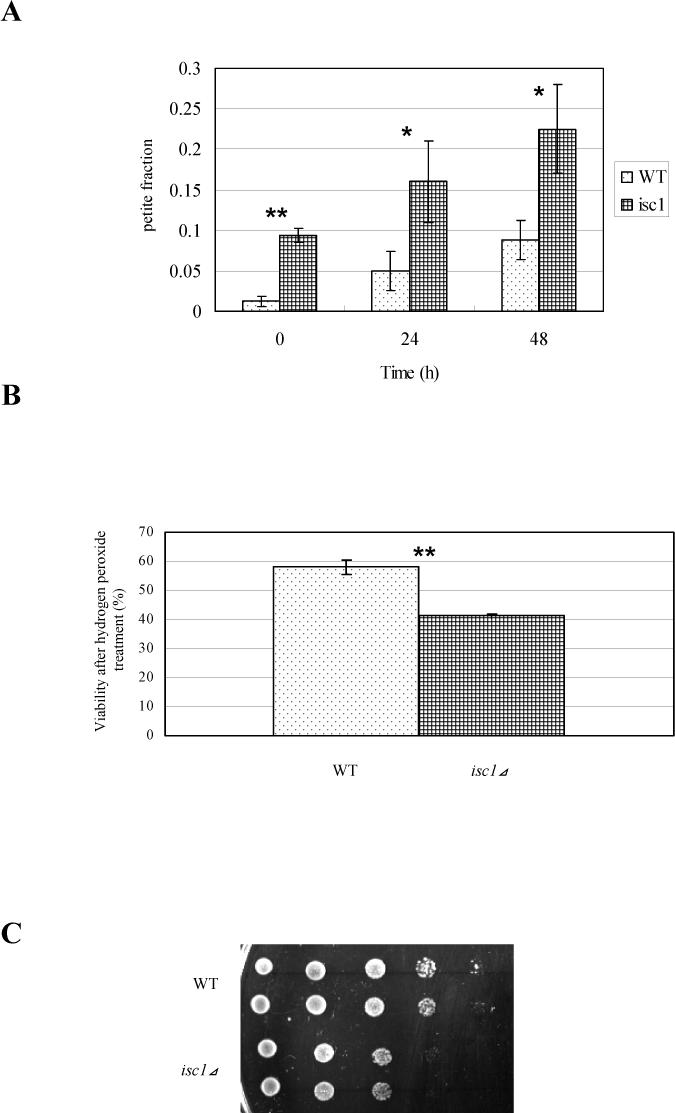
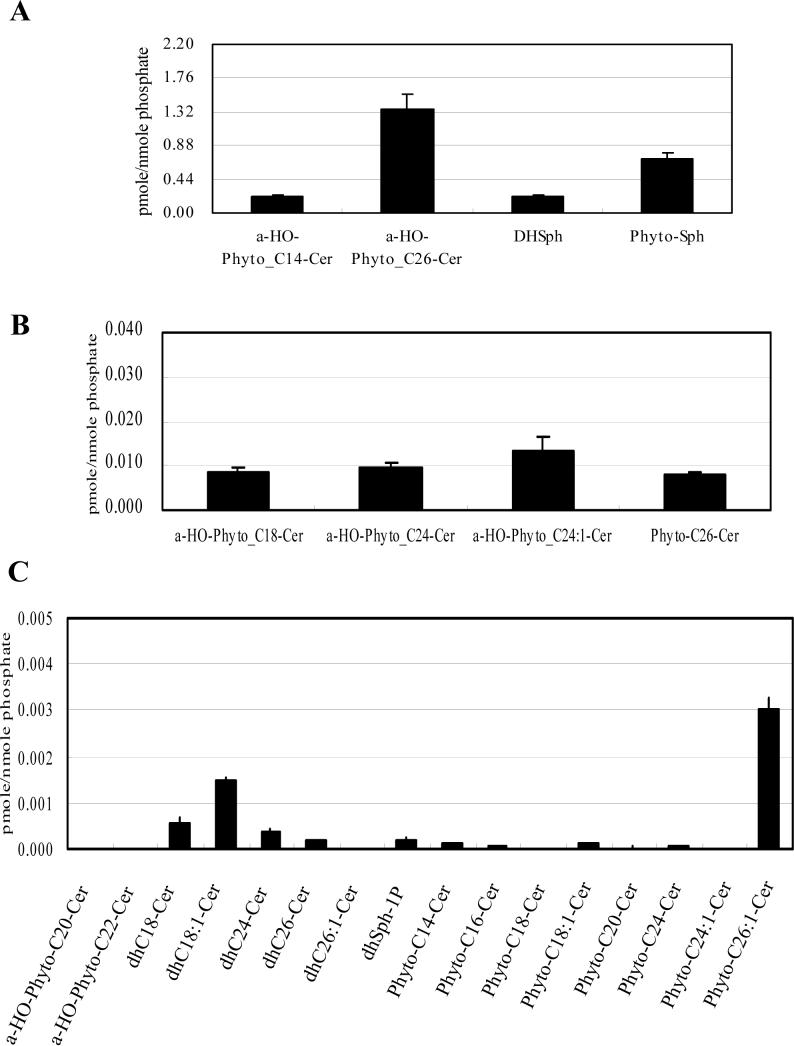
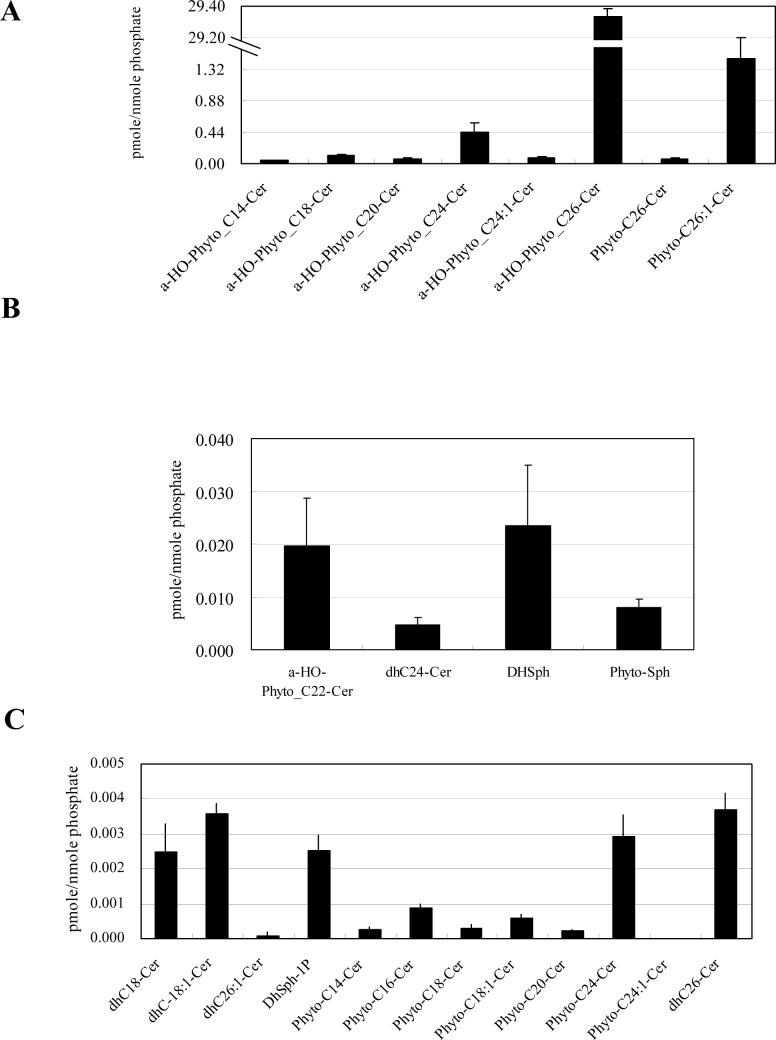
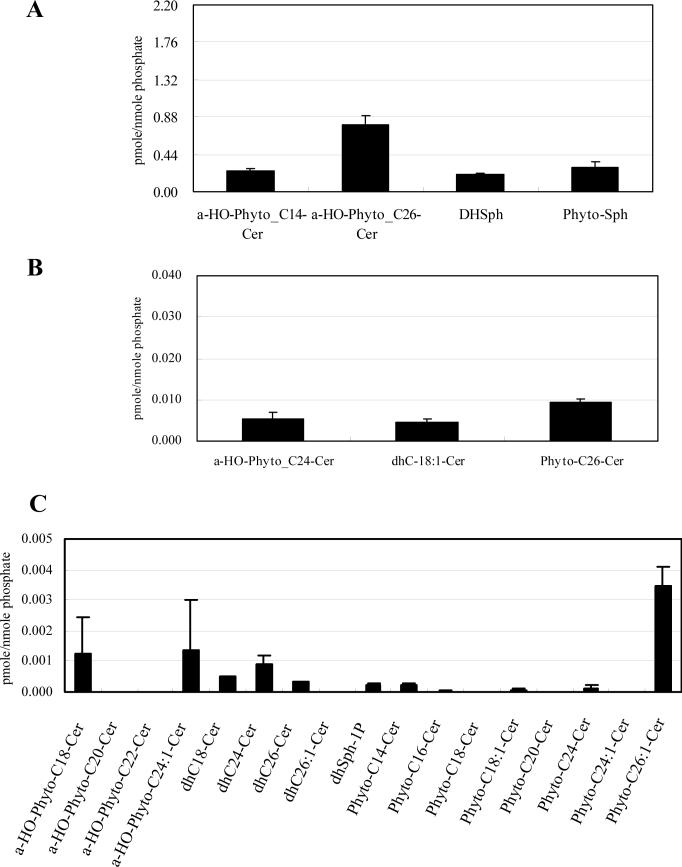
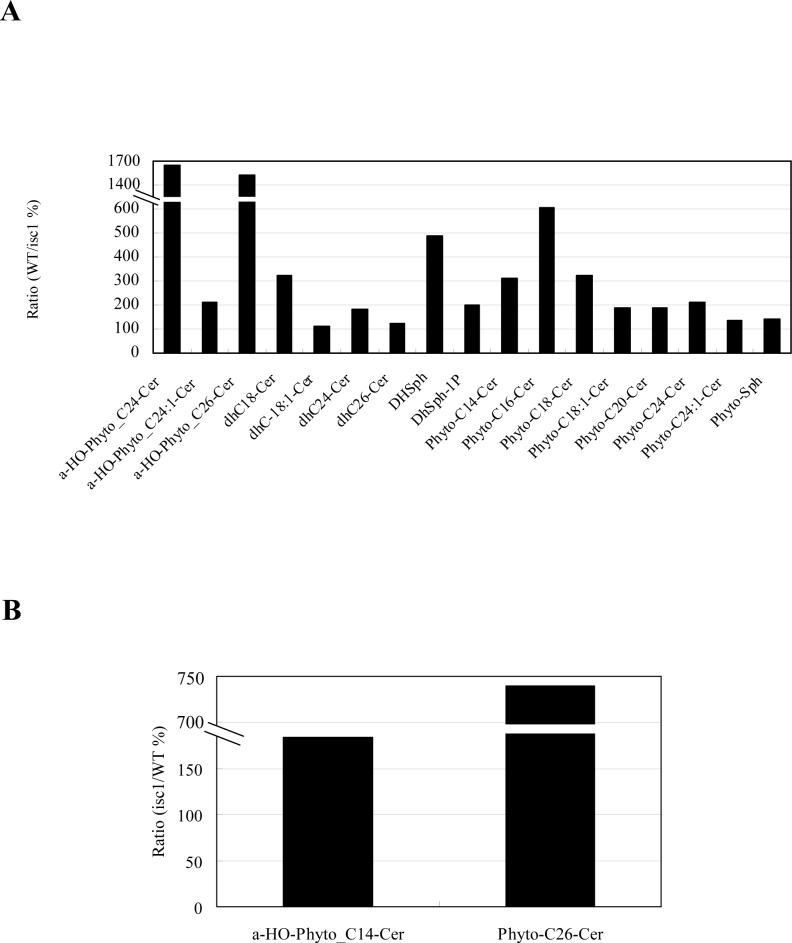
The Saccharomyces cerevisiae inositol sphingolipid phospholipase C (Isc1p), a homolog of mammalian neutral sphingomyelinases, hydrolyzes complex sphingolipids to produce ceramide in vitro. Epitope-tagged Isc1p associates with the mitochondria in the post-diauxic phase of yeast growth. In this report, the mitochondrial localization of Isc1p and its role in regulating sphingolipid metabolism were investigated. First, endogenous Isc1p activity was enriched in highly purified mitochondria, and western blots using highly purified mitochondrial membrane fractions demonstrated that epitope-tagged Isc1p localized to the outer mitochondrial membrane as an integral membrane protein. Next, LC/MS was employed to determine the sphingolipid composition of highly purified mitochondria which were found to be significantly enriched in alpha-hydroxylated phytoceramides (21.7 fold) relative to the whole cell. Mitochondria, on the other hand, were significantly depleted in sphingoid bases. Compared to the parental strain, mitochondria from isc1Delta in the post-diauxic phase showed drastic reduction in the levels of alpha-hydroxylated phytoceramide (93.1% loss compared to WT mitochondria with only 2.58 fold enrichment in mitochondria compared to whole cell). Functionally, isc1Delta showed a higher rate of respiratory-deficient cells after incubation at high temperature and was more sensitive to hydrogen peroxide and ethidium bromide, indicating that isc1Delta exhibits defects related to mitochondrial function. These results suggest that Isc1p generates ceramide in mitochondria, and the generated ceramide contributes to the normal function of mitochondria. This study provides a first insight into the specific composition of ceramides in mitochondria.
酿酒酵母肌醇鞘脂磷脂酶C(Isc1p)是哺乳动物中性鞘磷脂酶的同源物,在体外可水解复合鞘脂以产生神经酰胺。在酵母生长的二次生长后期,表位标记的Isc1p与线粒体相关联。在本报告中,研究了Isc1p的线粒体定位及其在调节鞘脂代谢中的作用。首先,内源性Isc1p活性在高度纯化的线粒体中富集,使用高度纯化的线粒体膜组分进行的蛋白质免疫印迹表明,表位标记的Isc1p作为整合膜蛋白定位于线粒体外膜。接下来,采用液相色谱/质谱法测定高度纯化的线粒体的鞘脂组成,发现相对于整个细胞,其α-羟基化植物神经酰胺显著富集(21.7倍)。另一方面,线粒体中的鞘氨醇碱基显著减少。与亲本菌株相比,二次生长后期isc1Delta突变体的线粒体中α-羟基化植物神经酰胺水平急剧降低(与野生型线粒体相比损失93.1%,线粒体相对于整个细胞仅富集2.58倍)。在功能上,isc1Delta突变体在高温孵育后显示出更高比例的呼吸缺陷细胞,并且对过氧化氢和溴化乙锭更敏感,表明isc1Delta突变体表现出线粒体功能相关的缺陷。这些结果表明,Isc1p在线粒体中产生神经酰胺,并且产生的神经酰胺有助于线粒体的正常功能。本研究首次深入了解了线粒体中神经酰胺的具体组成。