Onaivi Emmanuel S, Ishiguro Hiroki, Gong Jian-Ping, Patel Sejal, Meozzi Paul A, Myers Lester, Perchuk Alex, Mora Zoila, Tagliaferro Patricia A, Gardner Eileen, Brusco Alicia, Akinshola B Emmanuel, Hope Bruce, Lujilde Javier, Inada Toshiya, Iwasaki Shinya, Macharia David, Teasenfitz Lindsey, Arinami Tadao, Uhl George R
Department of Biology, William Paterson University, Wayne, New Jersey, USA.
PLoS One. 2008 Feb 20;3(2):e1640. doi: 10.1371/journal.pone.0001640.
Addiction and major depression are mental health problems associated with stressful events in life with high relapse and reoccurrence even after treatment. Many laboratories were not able to detect the presence of cannabinoid CB2 receptors (CB2-Rs) in healthy brains, but there has been demonstration of CB2-R expression in rat microglial cells and other brain associated cells during inflammation. Therefore, neuronal expression of CB2-Rs had been ambiguous and controversial and its role in depression and substance abuse is unknown.
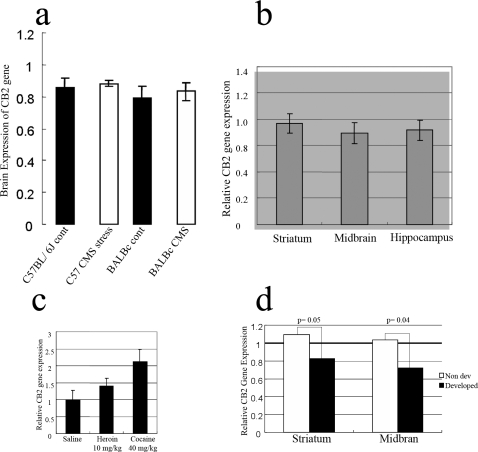
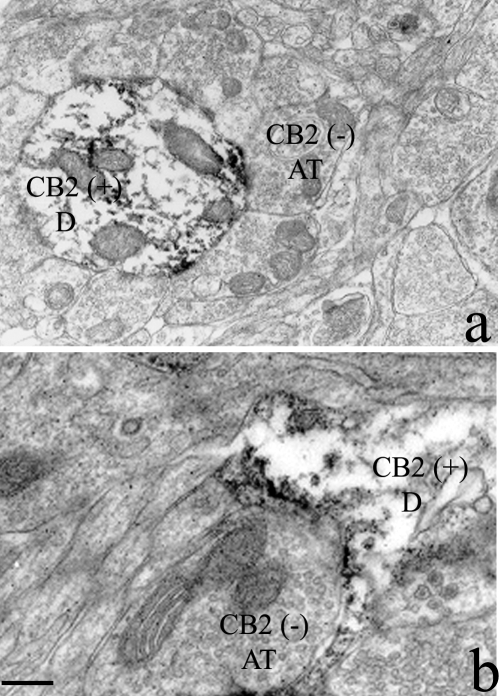
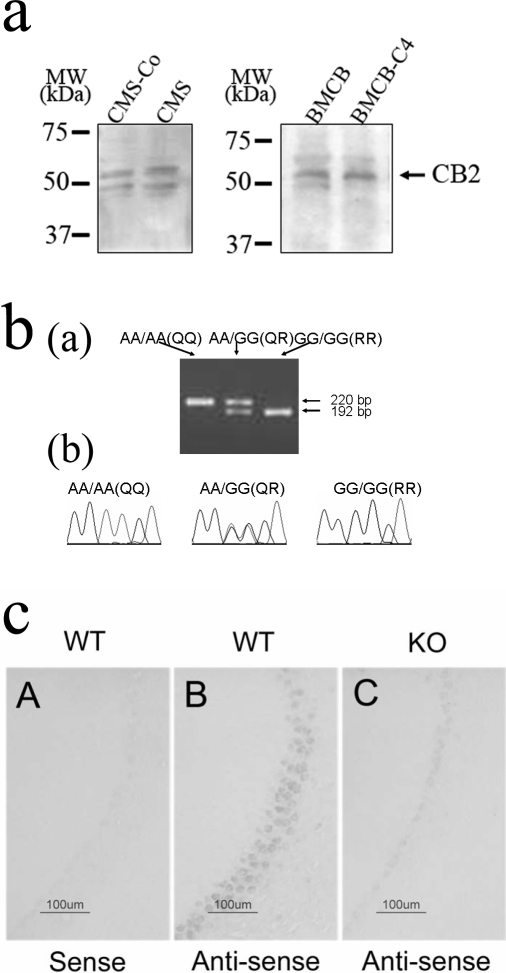
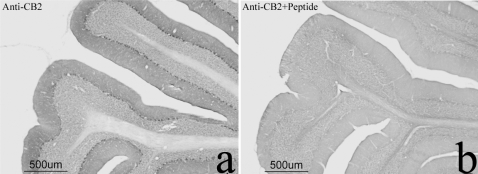
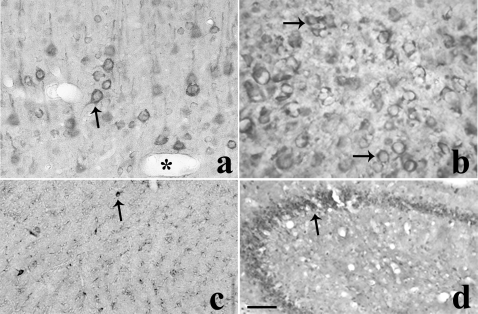
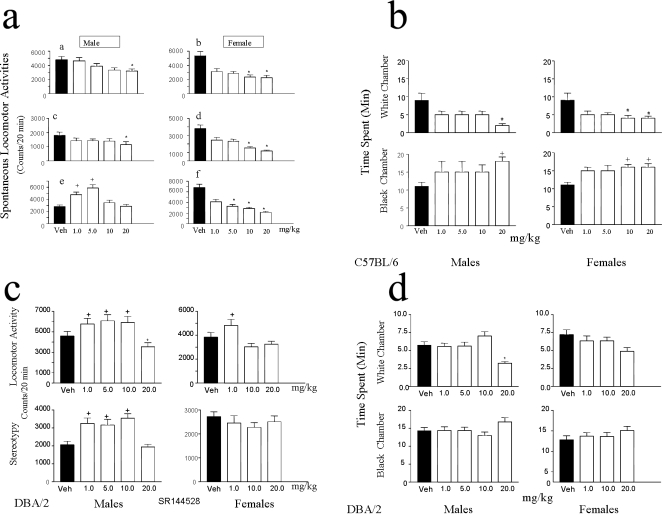
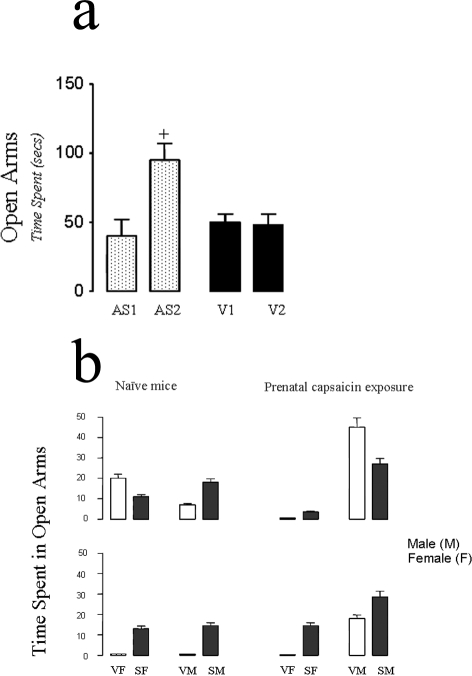
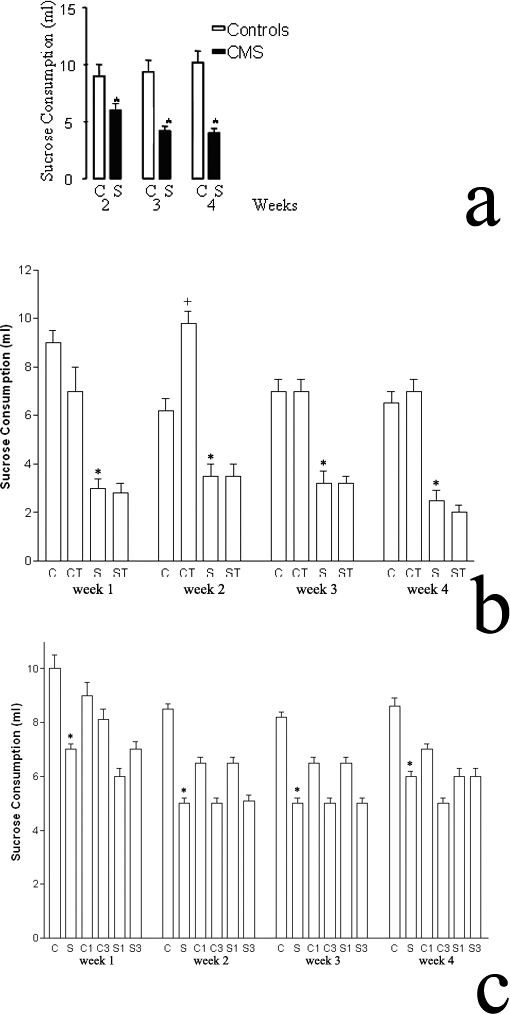
METHODOLOGY/PRINCIPAL FINDINGS: In this study we tested the hypothesis that genetic variants of CB2 gene might be associated with depression in a human population and that alteration in CB2 gene expression may be involved in the effects of abused substances including opiates, cocaine and ethanol in rodents. Here we demonstrate that a high incidence of (Q63R) but not (H316Y) polymorphism in the CB2 gene was found in Japanese depressed subjects. CB2-Rs and their gene transcripts are expressed in the brains of naïve mice and are modulated following exposure to stressors and administration of abused drugs. Mice that developed alcohol preference had reduced CB2 gene expression and chronic treatment with JWH015 a putative CB2-R agonist, enhanced alcohol consumption in stressed but not in control mice. The direct intracerebroventricular microinjection of CB2 anti-sense oligonucleotide into the mouse brain reduced mouse aversions in the plus-maze test, indicating the functional presence of CB2-Rs in the brain that modifies behavior. We report for the using electron microscopy the sub cellular localization of CB2-Rs that are mainly on post-synaptic elements in rodent brain.
CONCLUSIONS/SIGNIFICANCE: Our data demonstrate the functional expression of CB2-Rs in brain that may provide novel targets for the effects of cannabinoids in depression and substance abuse disorders beyond neuro-immunocannabinoid activity.
成瘾和重度抑郁症是与生活中的应激事件相关的心理健康问题,即使经过治疗,复发和再发率也很高。许多实验室无法在健康大脑中检测到大麻素CB2受体(CB2-Rs)的存在,但已有研究表明,在炎症过程中,大鼠小胶质细胞和其他脑相关细胞中存在CB2-R表达。因此,CB2-Rs的神经元表达一直存在模糊性和争议,其在抑郁症和药物滥用中的作用尚不清楚。
方法/主要发现:在本研究中,我们检验了以下假设:CB2基因的遗传变异可能与人类群体中的抑郁症有关,并且CB2基因表达的改变可能参与了阿片类药物、可卡因和乙醇等滥用物质对啮齿动物的影响。在此,我们证明,在日本抑郁症患者中发现CB2基因(Q63R)而非(H316Y)多态性的发生率较高。CB2-Rs及其基因转录本在未接触过任何药物的小鼠大脑中表达,并在暴露于应激源和给予滥用药物后受到调节。出现酒精偏好的小鼠CB2基因表达降低,用假定的CB2-R激动剂JWH015进行慢性治疗,可增加应激小鼠而非对照小鼠的酒精摄入量。将CB2反义寡核苷酸直接脑室内微量注射到小鼠脑中,可减少小鼠在十字迷宫试验中的厌恶感,表明脑中存在功能性CB2-Rs可改变行为。我们报告了利用电子显微镜观察到CB2-Rs主要位于啮齿动物脑的突触后元件上的亚细胞定位。
结论/意义:我们的数据表明,CB2-Rs在大脑中的功能性表达可能为大麻素在抑郁症和药物滥用障碍中的作用提供新的靶点,这一作用超出了神经免疫大麻素活性。