Macintire Douglass K
Department of Clinical Sciences, Auburn University Critical Care Program, College of Veterinary Medicine, Auburn University, Auburn, AL 36849, USA.
Vet Clin North Am Small Anim Pract. 2008 May;38(3):621-7, xii. doi: 10.1016/j.cvsm.2008.01.004.
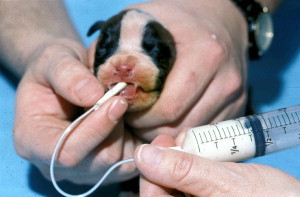
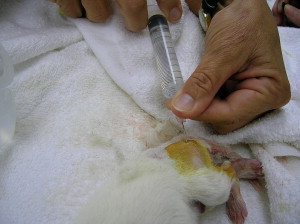
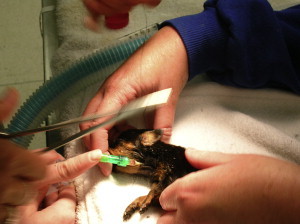
Many conditions of pediatric patients require fluid therapy. Depending on the veterinarian's assessment of hydration and perfusion status, fluids can be administered orally, subcutaneously, intraperitoneally, intravenously, or by the intraosseous route. Pediatric patients are prone to hypothermia, hypovolemia, hypoglycemia, and hypokalemia, which must be addressed during fluid therapy in pediatric patients. Typical parameters used to assess hydration status in adult animals do not always apply to pediatric patients. Veterinarians should be aware of differences between pediatric patients and adult animals in terms of physical assessment, common presentations, and fluid requirements for resuscitation and maintenance needs.
许多儿科患者的病症都需要进行液体疗法。根据兽医对水合作用和灌注状态的评估,可通过口服、皮下、腹腔内、静脉内或骨内途径给予液体。儿科患者容易出现体温过低、血容量不足、低血糖和低钾血症,在对儿科患者进行液体疗法时必须对这些情况加以处理。用于评估成年动物水合状态的典型参数并不总是适用于儿科患者。兽医应了解儿科患者与成年动物在体格检查、常见症状以及复苏和维持所需的液体需求方面的差异。