deGoma Emil M, deGoma Rolando L, Rader Daniel J
Department of Cardiology, Stanford University Hospital, Stanford, California 94305, USA.
J Am Coll Cardiol. 2008 Jun 10;51(23):2199-211. doi: 10.1016/j.jacc.2008.03.016.
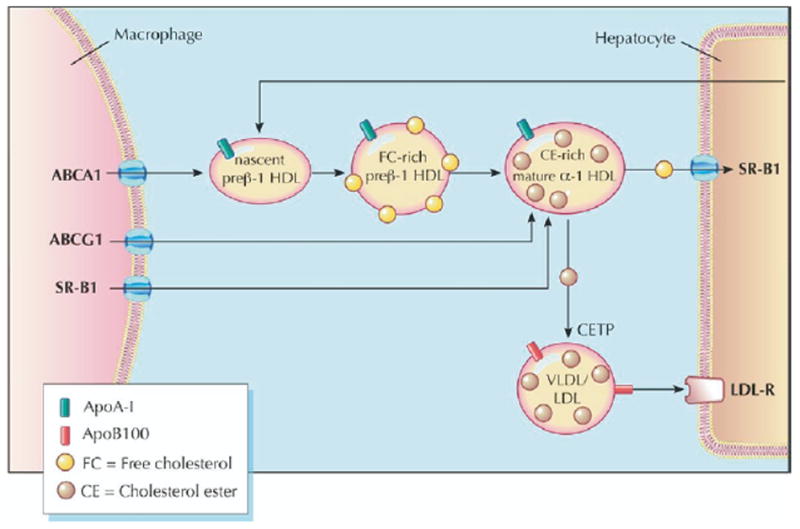
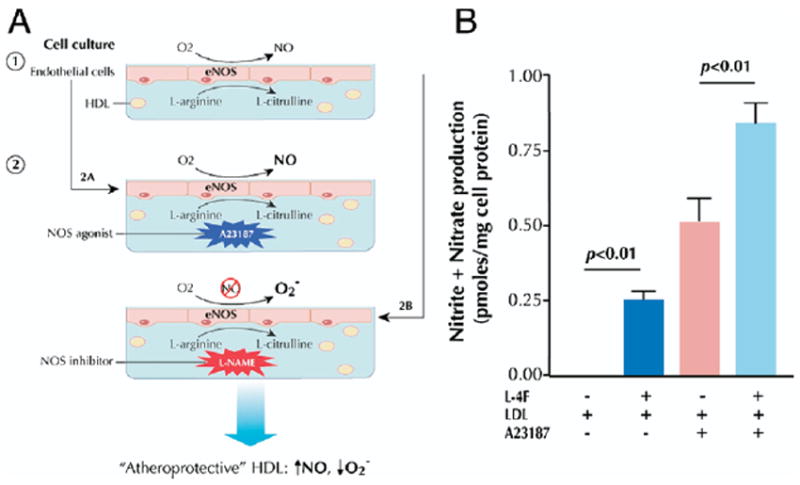
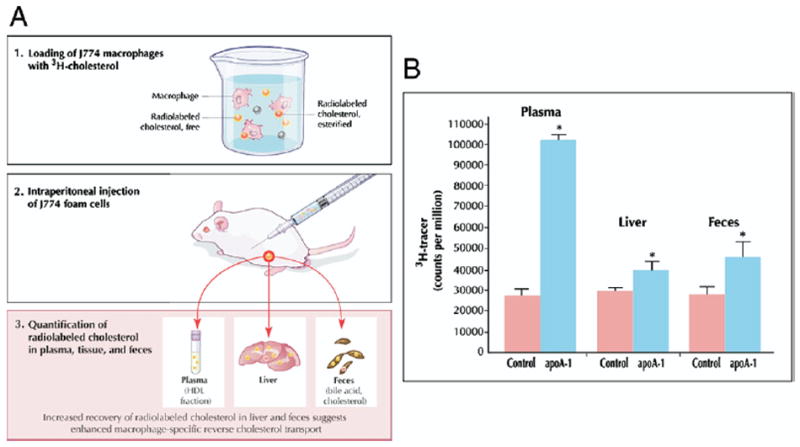
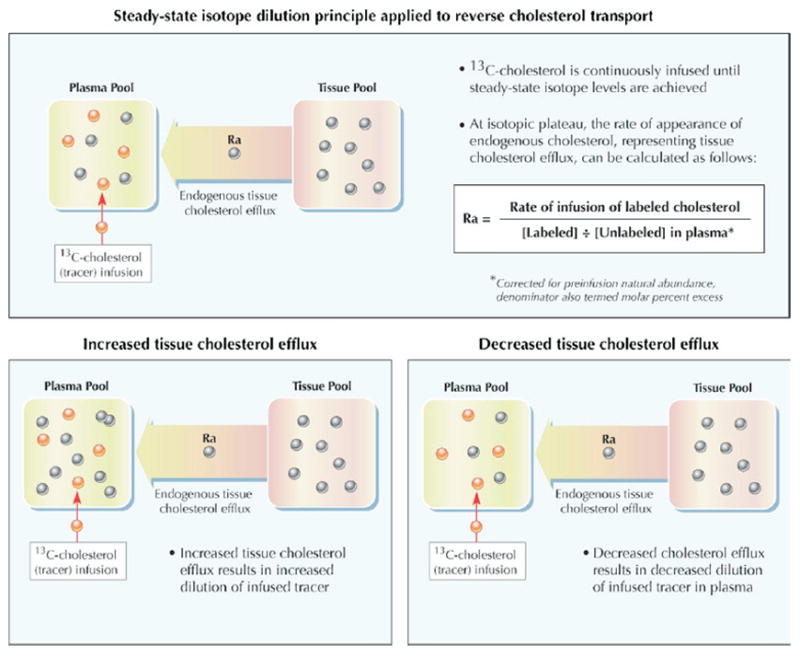
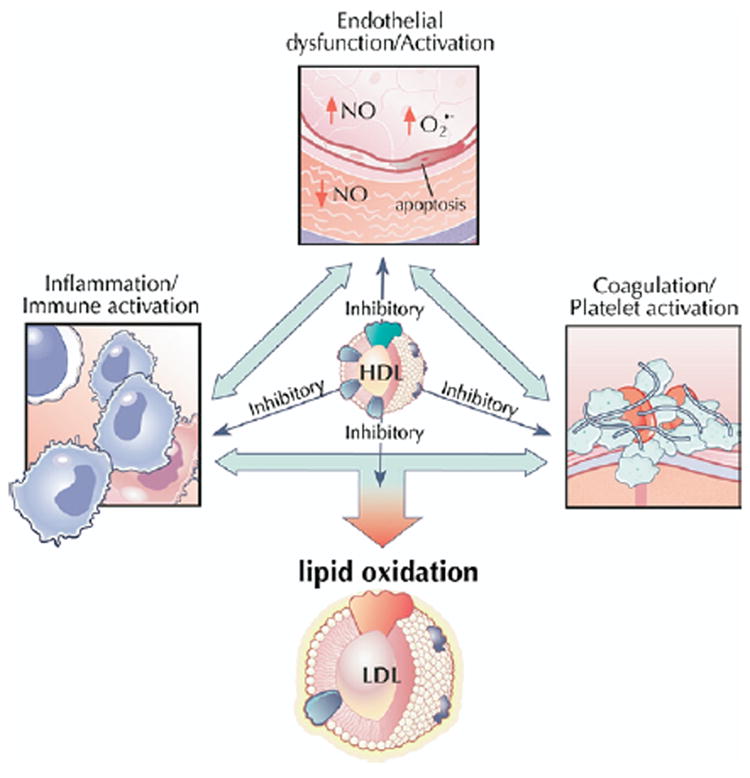
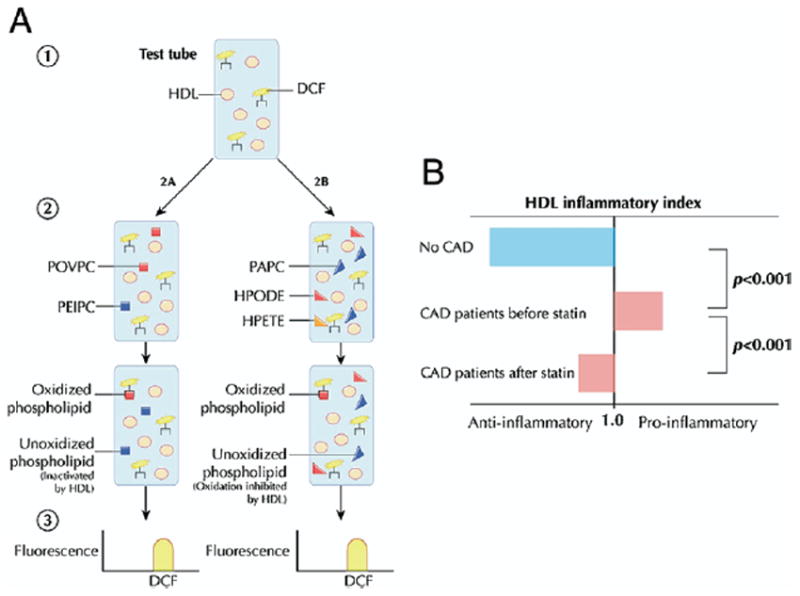
A number of therapeutic strategies targeting high-density lipoprotein (HDL) cholesterol and reverse cholesterol transport are being developed to halt the progression of atherosclerosis or even induce regression. However, circulating HDL cholesterol levels alone represent an inadequate measure of therapeutic efficacy. Evaluation of the potential effects of HDL-targeted interventions on atherosclerosis requires reliable assays of HDL function and surrogate markers of efficacy. Promotion of macrophage cholesterol efflux and reverse cholesterol transport is thought to be one of the most important mechanisms by which HDL protects against atherosclerosis, and methods to assess this pathway in vivo are being developed. Indexes of monocyte chemotaxis, endothelial inflammation, oxidation, nitric oxide production, and thrombosis reveal other dimensions of HDL functionality. Robust, reproducible assays that can be performed widely are needed to move this field forward and permit effective assessment of the therapeutic potential of HDL-targeted therapies.
目前正在研发多种针对高密度脂蛋白(HDL)胆固醇和逆向胆固醇转运的治疗策略,以阻止动脉粥样硬化的进展,甚至促使其逆转。然而,仅循环HDL胆固醇水平不足以衡量治疗效果。评估针对HDL的干预措施对动脉粥样硬化的潜在影响需要可靠的HDL功能检测方法和疗效替代标志物。促进巨噬细胞胆固醇外流和逆向胆固醇转运被认为是HDL预防动脉粥样硬化的最重要机制之一,目前正在开发体内评估该途径的方法。单核细胞趋化性、内皮炎症、氧化、一氧化氮生成和血栓形成的指标揭示了HDL功能的其他方面。需要能够广泛开展的强大、可重复的检测方法,以推动该领域的发展,并有效评估针对HDL的治疗方法的治疗潜力。