Pastori Chiara, Librizzi Laura, Breschi Gian Luca, Regondi Cristina, Frassoni Carolina, Panzica Ferruccio, Frigerio Simona, Gelati Maurizio, Parati Eugenio, De Simoni Maria Grazia, de Curtis Marco
Unità di Neurofisiologia ed Epilettologia Sperimentale, Fondazione Istituto Neurologico Carlo Besta, Milan, Italy.
PLoS One. 2008 Jul 23;3(7):e2754. doi: 10.1371/journal.pone.0002754.
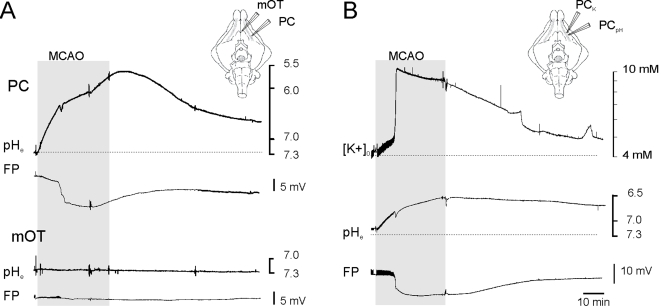
Treatment with neural stem cells represents a potential strategy to improve functional recovery of post-ischemic cerebral injury. The potential benefit of such treatment in acute phases of human ischemic stroke depends on the therapeutic viability of a systemic vascular delivery route. In spite of the large number of reports on the beneficial effects of intracerebral stem cells injection in experimental stroke, very few studies demonstrated the effectiveness of the systemic intravenous delivery approach. METODOLOGY/PRINCIPAL FINDINGS: We utilized a novel in vitro model of transient focal ischemia to analyze the brain distribution of neurosphere-derived cells (NCs) in the early 3 hours that follow transient occlusion of the medial cerebral artery (MCA). NCs obtained from newborn C57/BL6 mice are immature cells with self-renewal properties that could differentiate into neurons, astrocytes and oligodendrocytes. MCA occlusion for 30 minutes in the in vitro isolated guinea pig brain preparation was followed by arterial perfusion with 1x10(6) NCs charged with a green fluorescent dye, either immediately or 60 minutes after reperfusion onset. Changes in extracellular pH and K(+) concentration during and after MCAO were measured through ion-sensitive electrodes.
CONCLUSION/SIGNIFICANCE: It is demonstrated that NCs injected through the vascular system do not accumulate in the ischemic core and preferentially distribute in non-ischemic areas, identified by combined electrophysiological and morphological techniques. Direct measurements of extracellular brain ions during and after MCA occlusion suggest that anoxia-induced tissue changes, such as extracellular acidosis, may prevent NCs from entering the ischemic area in our in vitro model of transitory focal ischemia and reperfusion suggesting a role played by the surrounding microenviroment in driving NCs outside the ischemic core. These findings strongly suggest that the potential beneficial effect of NCs in experimental focal brain ischemia is not strictly dependent on their homing into the ischemic region, but rather through a bystander mechanism possibly mediated by the release of neuroprotective factors in the peri-infarct region.
用神经干细胞进行治疗是改善缺血性脑损伤功能恢复的一种潜在策略。这种治疗方法在人类缺血性中风急性期的潜在益处取决于全身血管输送途径的治疗可行性。尽管有大量关于脑内干细胞注射对实验性中风有益作用的报道,但很少有研究证明全身静脉输送方法的有效性。
方法/主要发现:我们利用一种新型的短暂性局灶性缺血体外模型,分析在大脑中动脉(MCA)短暂闭塞后的最初3小时内神经球衍生细胞(NCs)的脑内分布。从新生C57/BL6小鼠获得的NCs是具有自我更新特性的未成熟细胞,可分化为神经元、星形胶质细胞和少突胶质细胞。在体外分离的豚鼠脑制备物中,MCA闭塞30分钟后,立即或在再灌注开始60分钟后,用1×10⁶个带有绿色荧光染料的NCs进行动脉灌注。通过离子敏感电极测量MCA闭塞期间及之后细胞外pH值和K⁺浓度的变化。
结论/意义:结果表明,通过血管系统注射的NCs不会在缺血核心区域积聚,而是优先分布在通过联合电生理和形态学技术确定的非缺血区域。在MCA闭塞期间及之后对细胞外脑离子的直接测量表明,缺氧诱导的组织变化,如细胞外酸中毒,可能会阻止NCs在我们的短暂性局灶性缺血和再灌注体外模型中进入缺血区域,这表明周围微环境在将NCs驱离缺血核心区域中发挥了作用。这些发现强烈表明,NCs在实验性局灶性脑缺血中的潜在有益作用并非严格依赖于它们归巢到缺血区域,而是可能通过梗死周围区域释放神经保护因子介导的旁观者机制。