Bilenko Natalia Y, Grindrod Christopher M, Myers Emily B, Blumstein Sheila E
Brown University, Providence, RI 02912, USA.
J Cogn Neurosci. 2009 May;21(5):960-75. doi: 10.1162/jocn.2009.21073.
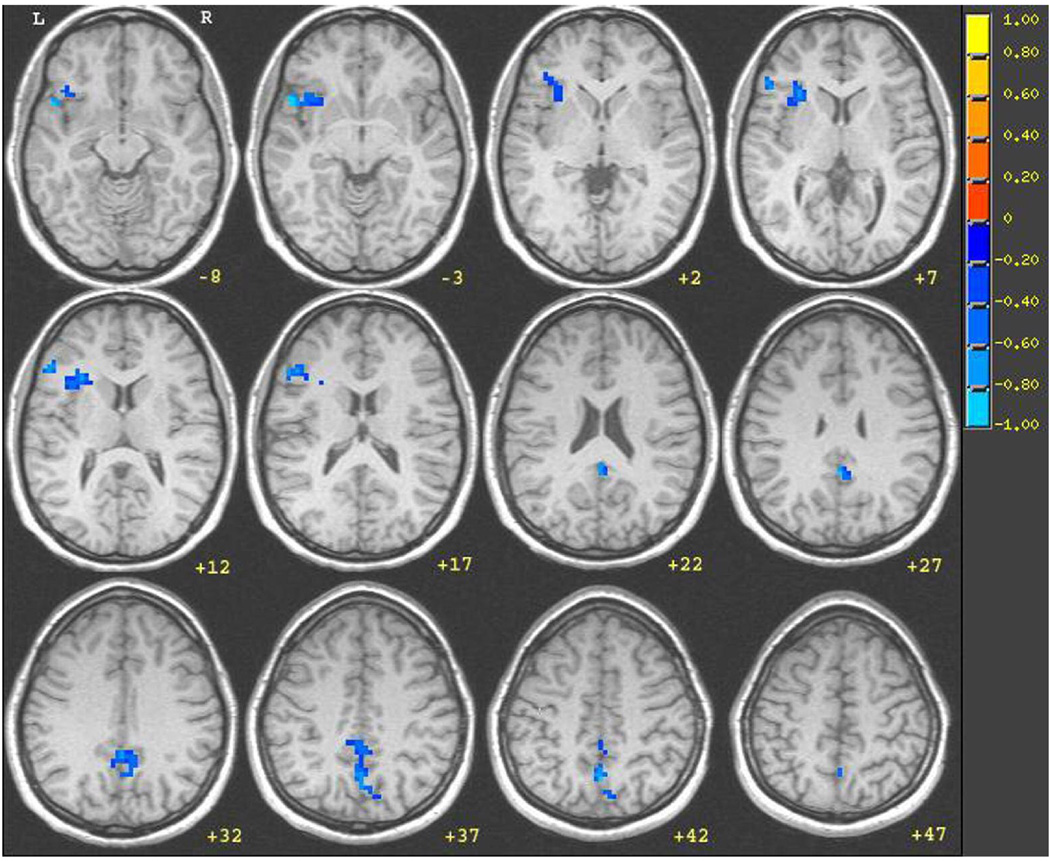
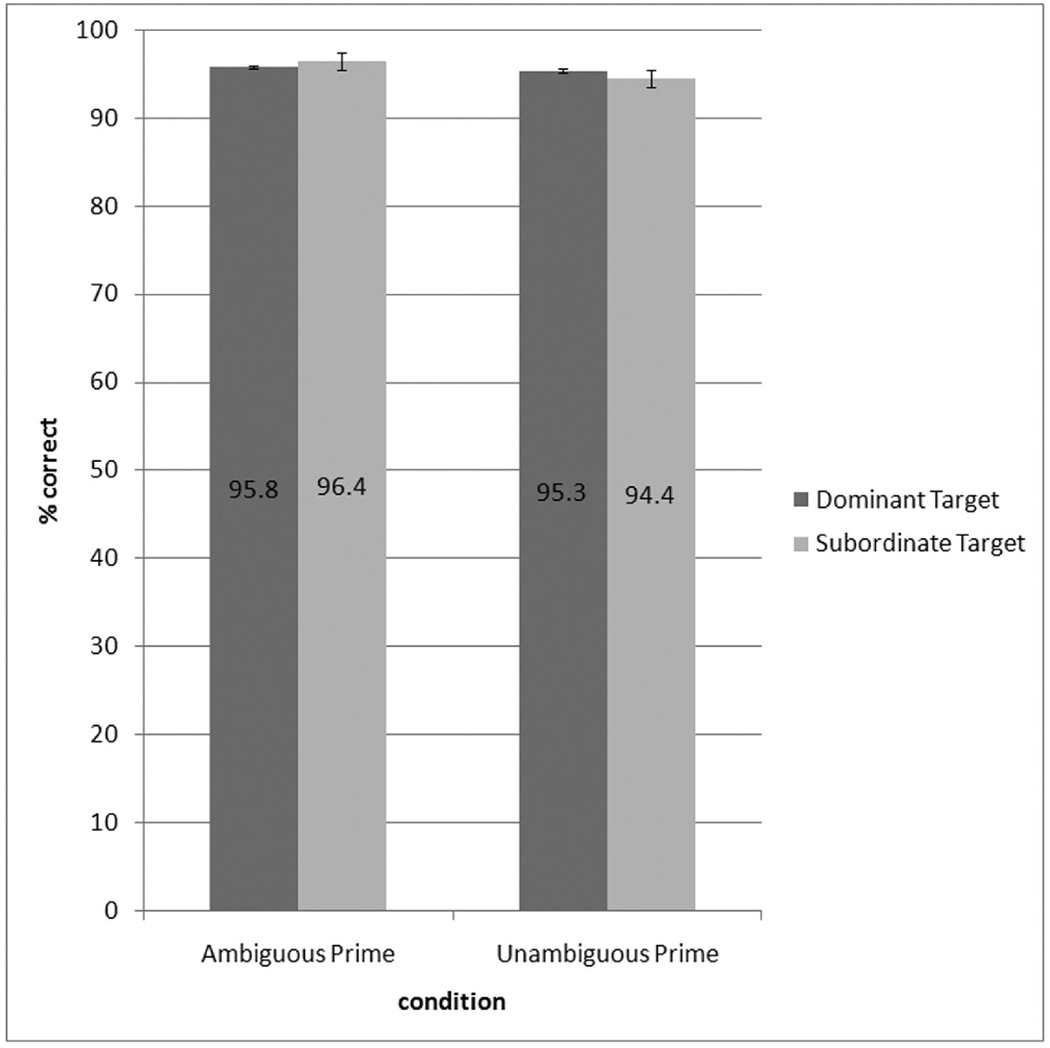
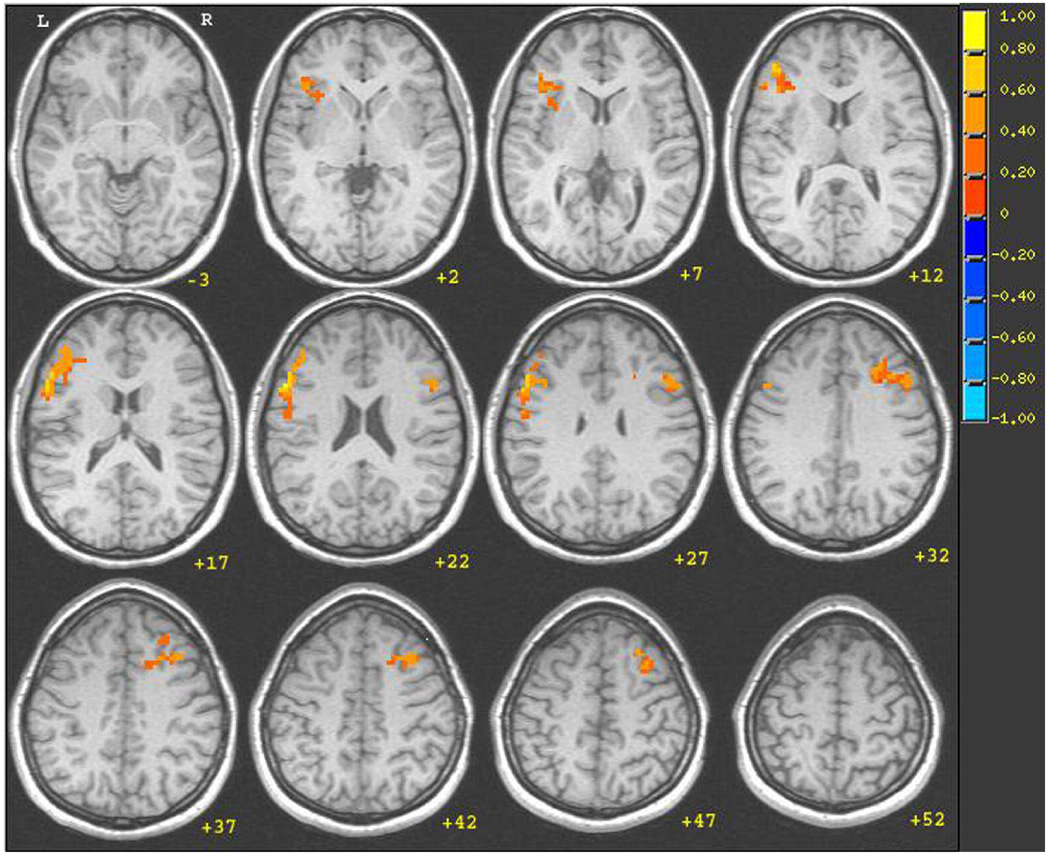
The current study investigated the neural correlates that underlie the processing of ambiguous words and the potential effects of semantic competition on that processing. Participants performed speeded lexical decisions on semantically related and unrelated prime-target pairs presented in the auditory modality. The primes were either ambiguous words (e.g., ball) or unambiguous words (e.g., athlete), and targets were either semantically related to the dominant (i.e., most frequent) meaning of the ambiguous prime word (e.g., soccer) or to the subordinate (i.e., less frequent) meaning (e.g., dance). Results showed increased activation in the bilateral inferior frontal gyrus (IFG) for ambiguous-related compared to unambiguous-related stimulus pairs, demonstrating that prefrontal areas are activated even in an implicit task where participants are not required to explicitly analyze the semantic content of the stimuli and to make an overt selection of a particular meaning based on this analysis. Additionally, increased activation was found in the left IFG and the left cingulate gyrus for subordinate meaning compared to dominant meaning conditions, suggesting that additional resources are recruited in order to resolve increased competition demands in accessing the subordinate meaning of an ambiguous word.
当前的研究调查了构成歧义词语加工基础的神经关联以及语义竞争对该加工的潜在影响。参与者对以听觉形式呈现的语义相关和不相关的启动-目标词对进行快速词汇判断。启动词要么是歧义词语(如“ball”),要么是明确词语(如“athlete”),目标词要么与歧义启动词的主导(即最常见)意义语义相关(如“soccer”),要么与从属(即较不常见)意义语义相关(如“dance”)。结果显示,与明确相关的刺激对相比,歧义相关的刺激对在双侧额下回(IFG)的激活增加,这表明即使在一项隐性任务中,即参与者无需明确分析刺激的语义内容并基于此分析对特定意义做出公开选择时,前额叶区域也会被激活。此外,与主导意义条件相比,从属意义条件下在左侧额下回和左侧扣带回发现激活增加,这表明为了解决在获取歧义词语的从属意义时增加的竞争需求,需要调用额外的资源。