Rizzo Matthew, Sparks Jondavid, McEvoy Sean, Viamonte Sarah, Kellison Ida, Vecera Shaun P
Department of Neurology, University of Iowa Carver College of Medicine, Iowa City, IA 52242, USA.
J Clin Exp Neuropsychol. 2009 Feb;31(2):245-56. doi: 10.1080/13803390802279668. Epub 2008 Dec 3.
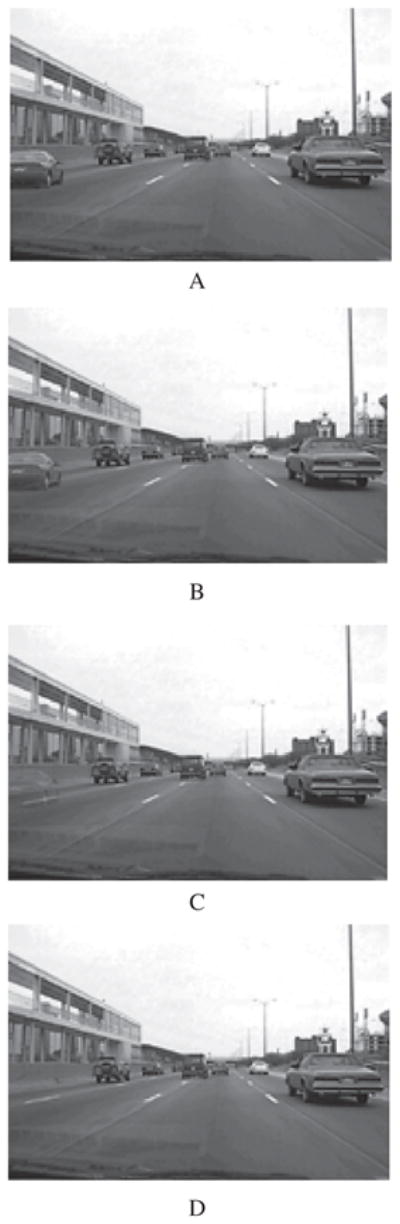
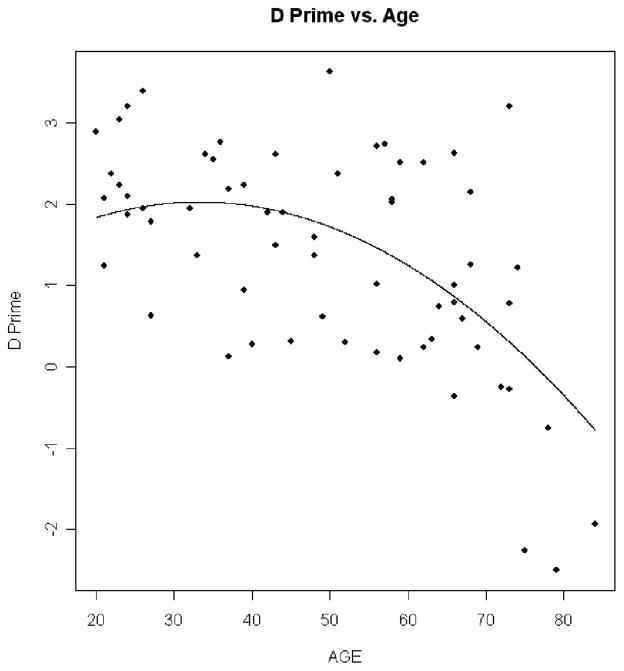
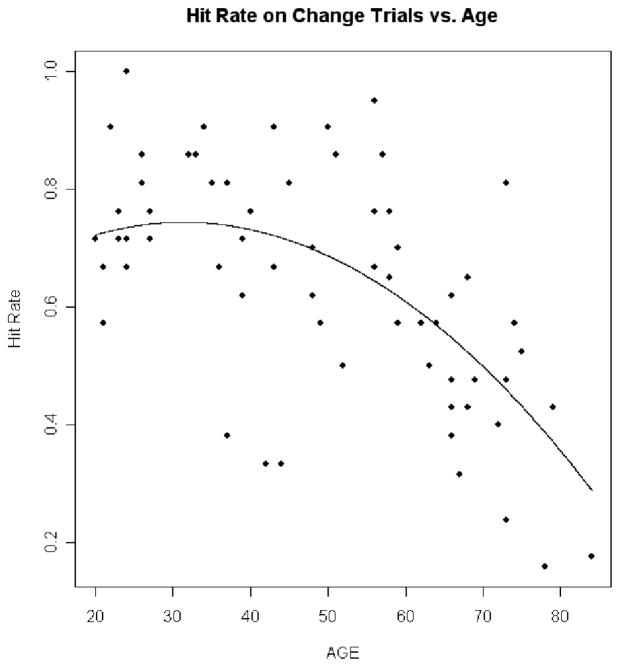
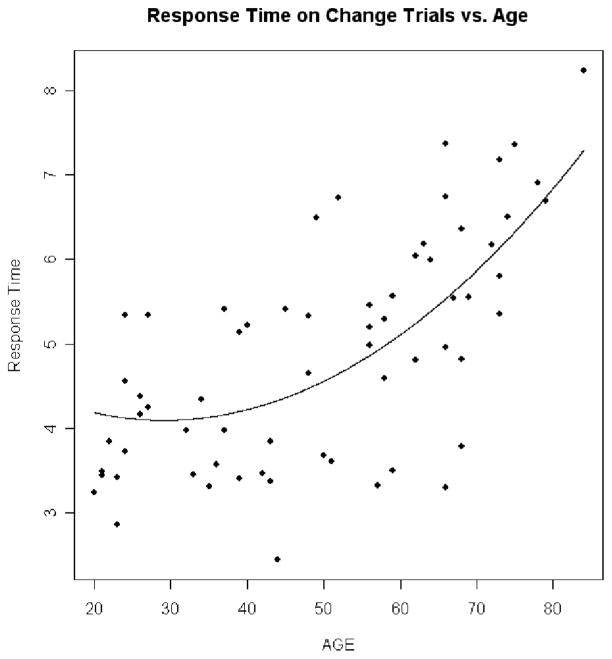
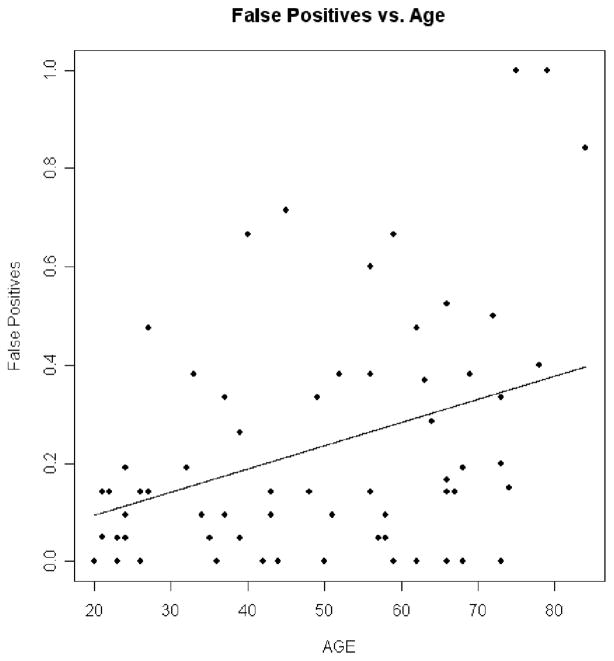
Change blindness (CB), the inability to detect changes in visual scenes, may increase with age and early Alzheimer's disease (AD). To test this hypothesis, participants were asked to localize changes in natural scenes. Dependent measures were response time (RT), hit rate, false positives (FP), and true sensitivity (d'). Increased age correlated with increased sensitivity and RT; AD predicted even slower RT. Accuracy and RT were negatively correlated. Differences in FP were nonsignificant. CB correlated with impaired attention, working memory, and executive function. Advanced age and AD were associated with increased CB, perhaps due to declining memory and attention. CB could affect real-world tasks, like automobile driving.
变化盲视(CB),即无法察觉视觉场景中的变化,可能会随着年龄增长和早期阿尔茨海默病(AD)而增加。为了验证这一假设,研究人员要求参与者找出自然场景中的变化。相关测量指标包括反应时间(RT)、命中率、误报率(FP)和真实敏感度(d')。年龄增长与敏感度和反应时间的增加相关;阿尔茨海默病预示着反应时间会更慢。准确率和反应时间呈负相关。误报率的差异不显著。变化盲视与注意力、工作记忆和执行功能受损相关。高龄和阿尔茨海默病与变化盲视增加有关,这可能是由于记忆力和注意力下降所致。变化盲视可能会影响现实世界中的任务,比如汽车驾驶。