Sun Joseph C, Beilke Joshua N, Lanier Lewis L
Department of Microbiology and Immunology and the Cancer Research Institute, University of California, San Francisco, California 94143, USA.
Nature. 2009 Jan 29;457(7229):557-61. doi: 10.1038/nature07665. Epub 2009 Jan 11.
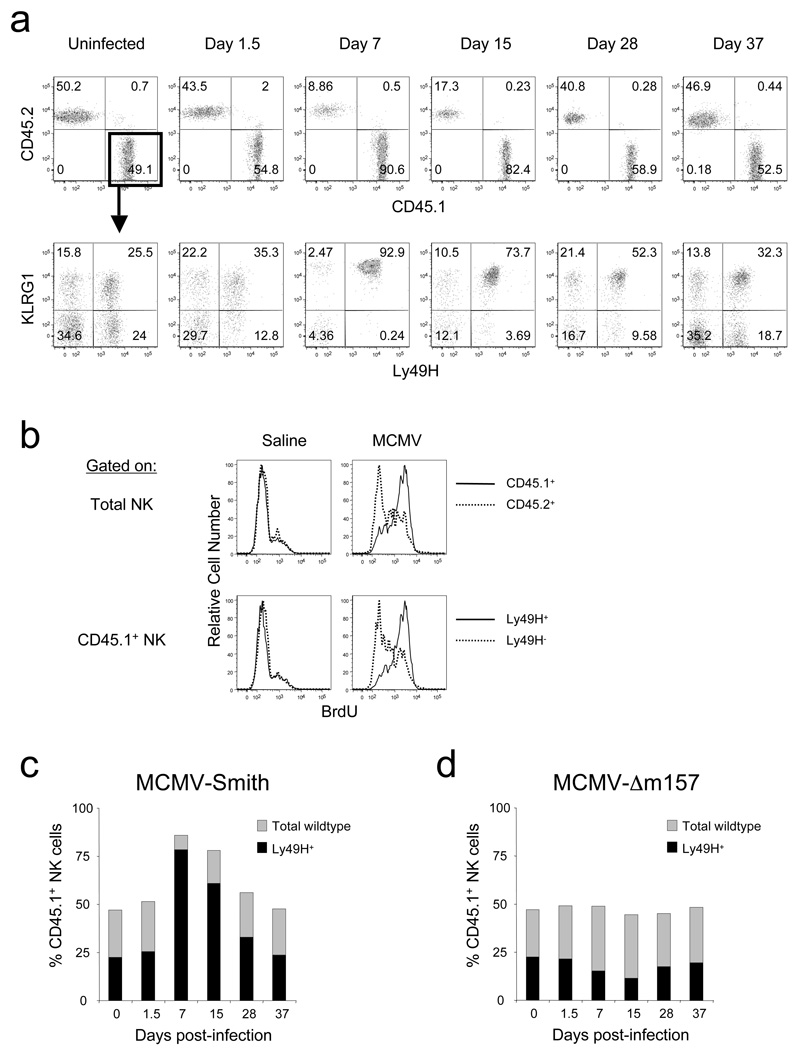
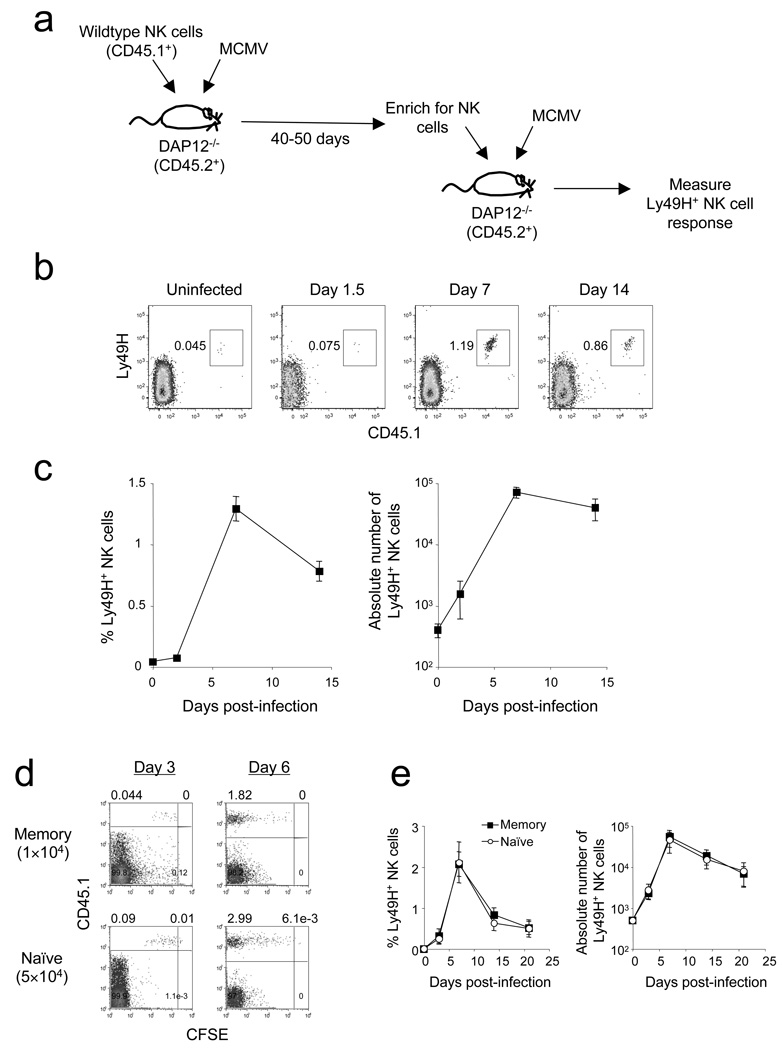
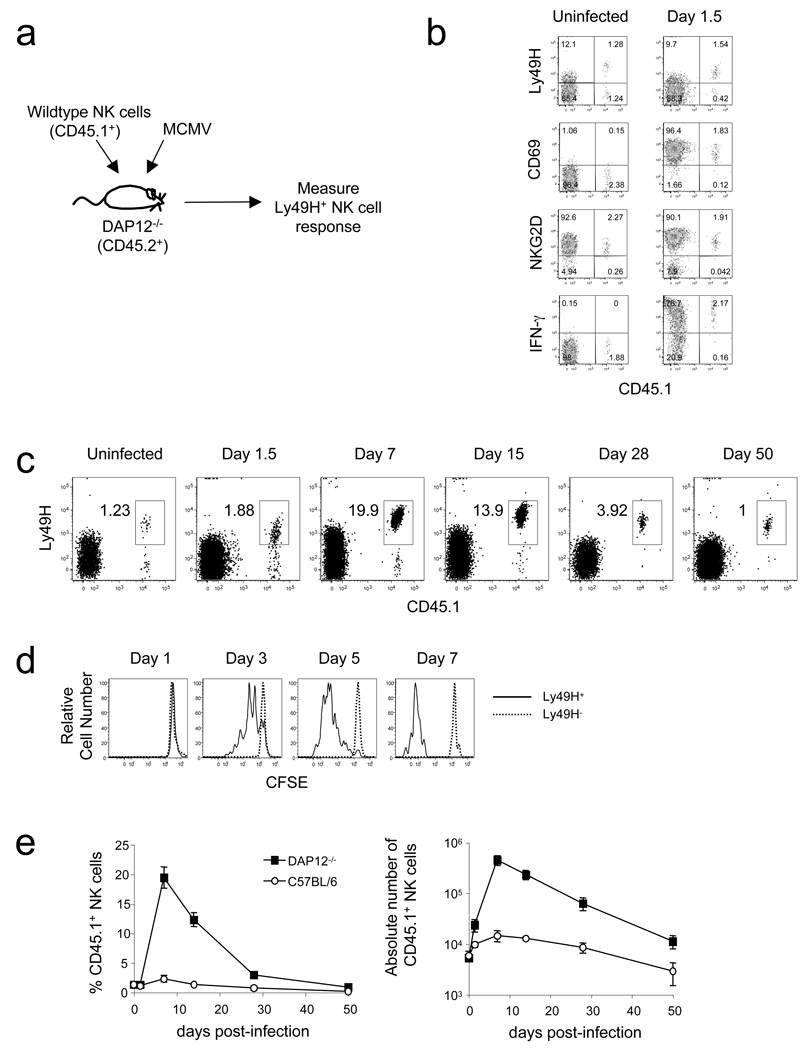
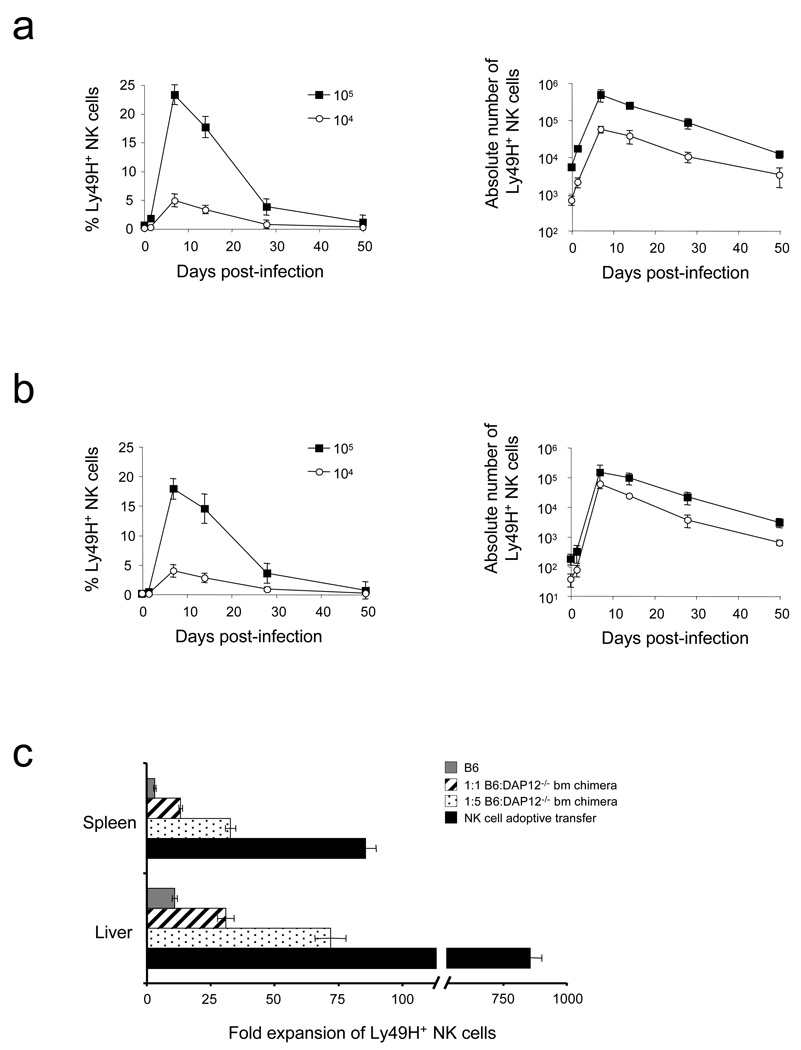
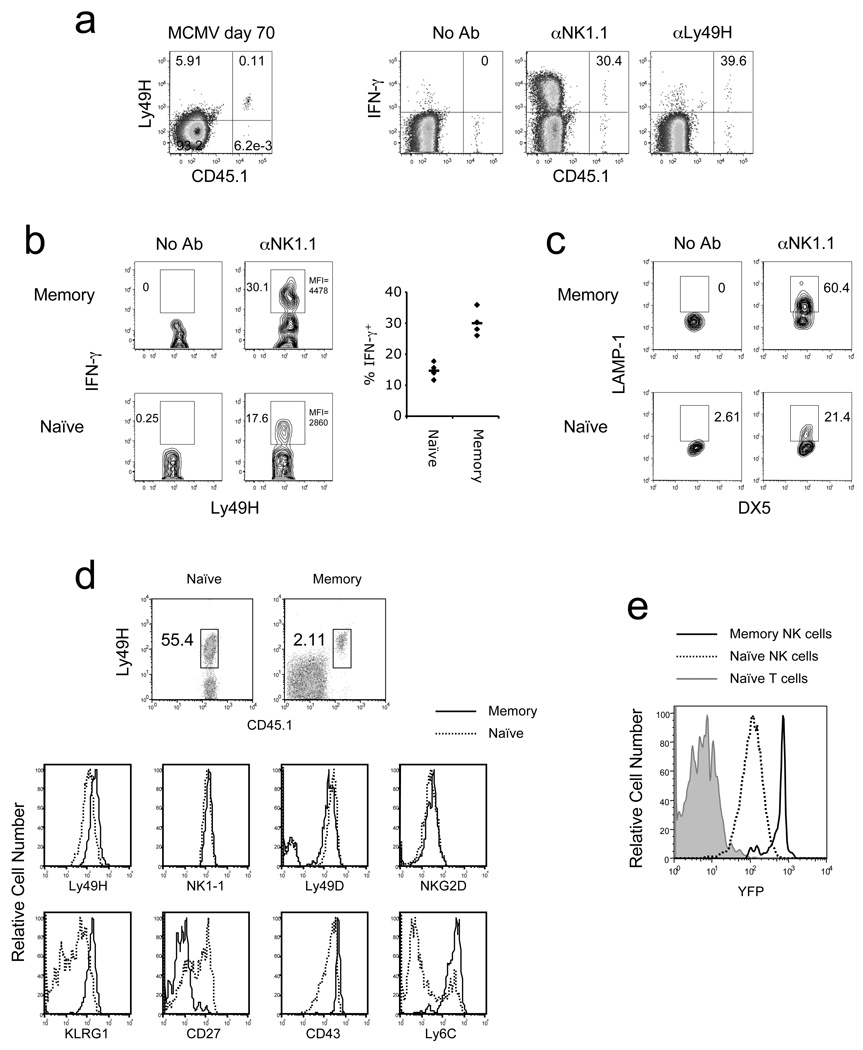
In an adaptive immune response, naive T cells proliferate during infection and generate long-lived memory cells that undergo secondary expansion after a repeat encounter with the same pathogen. Although natural killer (NK) cells have traditionally been classified as cells of the innate immune system, they share many similarities with cytotoxic T lymphocytes. We use a mouse model of cytomegalovirus infection to show that, like T cells, NK cells bearing the virus-specific Ly49H receptor proliferate 100-fold in the spleen and 1,000-fold in the liver after infection. After a contraction phase, Ly49H-positive NK cells reside in lymphoid and non-lymphoid organs for several months. These self-renewing 'memory' NK cells rapidly degranulate and produce cytokines on reactivation. Adoptive transfer of these NK cells into naive animals followed by viral challenge results in a robust secondary expansion and protective immunity. These findings reveal properties of NK cells that were previously attributed only to cells of the adaptive immune system.
在适应性免疫反应中,初始T细胞在感染期间增殖,并产生长寿记忆细胞,这些记忆细胞在再次遇到相同病原体后会经历二次扩增。虽然自然杀伤(NK)细胞传统上被归类为先天免疫系统的细胞,但它们与细胞毒性T淋巴细胞有许多相似之处。我们使用巨细胞病毒感染的小鼠模型来表明,与T细胞一样,携带病毒特异性Ly49H受体的NK细胞在感染后在脾脏中增殖100倍,在肝脏中增殖1000倍。在一个收缩期后,Ly49H阳性NK细胞在淋巴和非淋巴器官中驻留数月。这些自我更新的“记忆”NK细胞在重新激活时迅速脱颗粒并产生细胞因子。将这些NK细胞过继转移到未接触过病原体的动物中,随后进行病毒攻击,会导致强烈的二次扩增和保护性免疫。这些发现揭示了NK细胞以前仅归因于适应性免疫系统细胞的特性。