Fink Brian D, O'Malley Yunxia, Dake Brian L, Ross Nicolette C, Prisinzano Thomas E, Sivitz William I
Division of Endocrinology and Metabolism, Department of Internal Medicine, Iowa City Veterans Affairs Medical Center and the University of Iowa, Iowa City, Iowa, USA.
PLoS One. 2009;4(1):e4250. doi: 10.1371/journal.pone.0004250. Epub 2009 Jan 22.
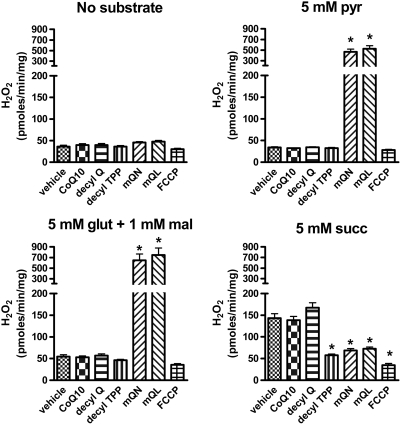
Previously, we reported that the "antioxidant" compound "mitoQ" (mitochondrial-targeted ubiquinol/ubiquinone) actually increased superoxide production by bovine aortic endothelial (BAE) cell mitochondria incubated with complex I but not complex II substrates.
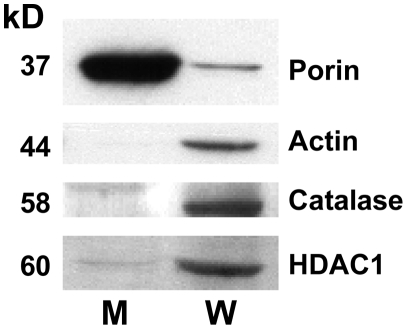
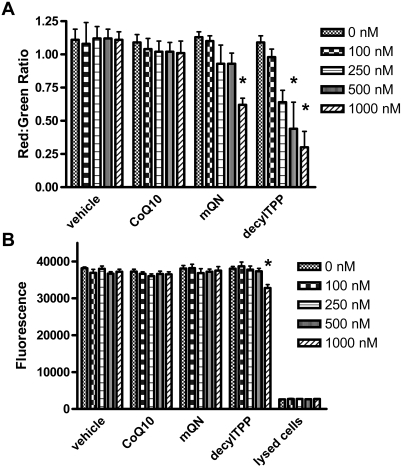
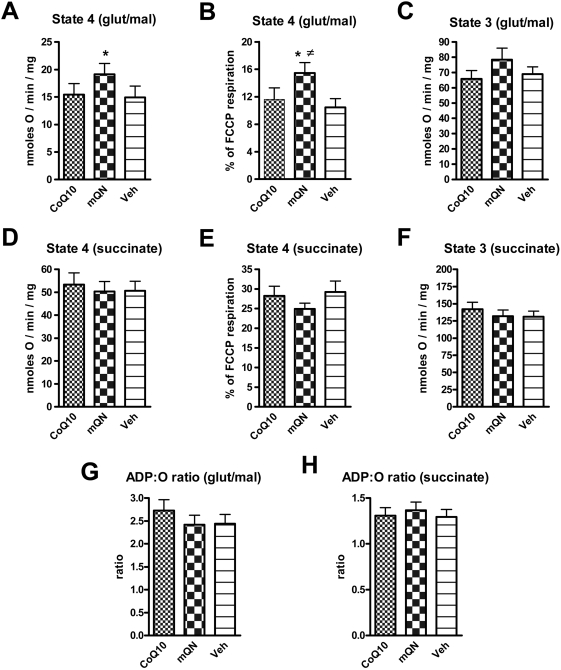
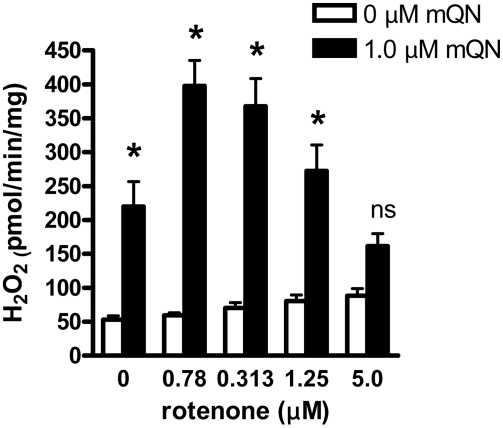
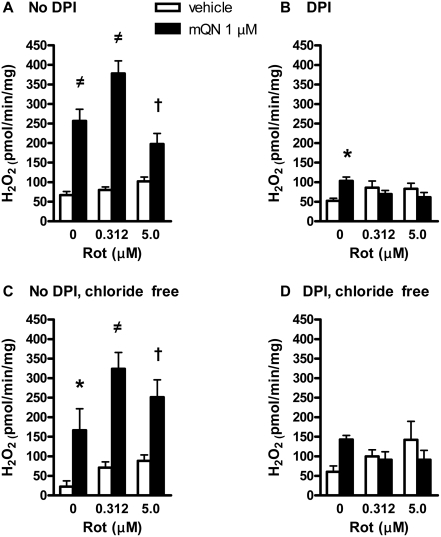
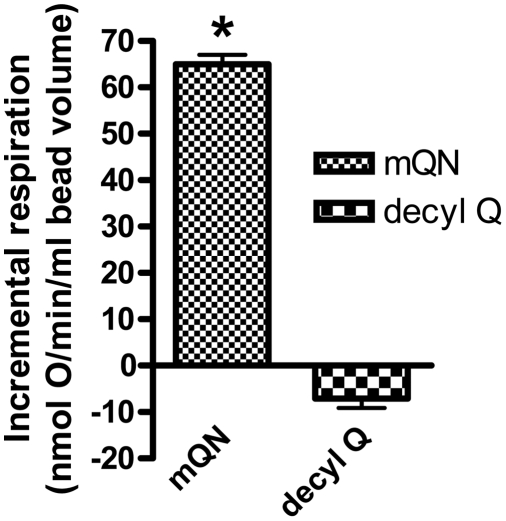
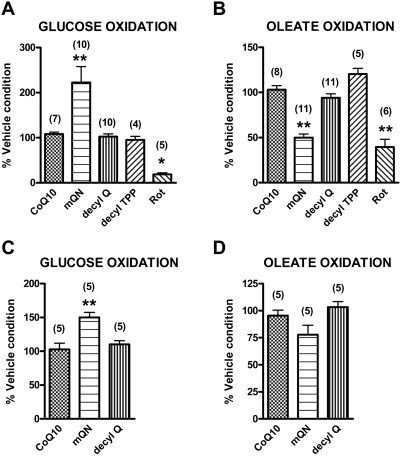
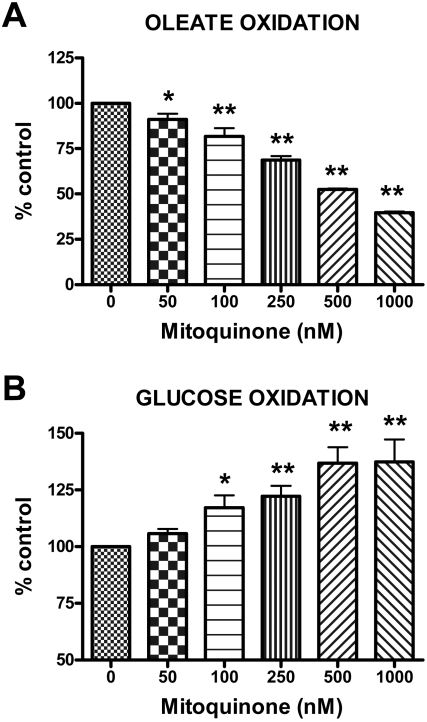
To further define the site of action of the targeted coenzyme Q compound, we extended these studies to include different substrate and inhibitor conditions. In addition, we assessed the effects of mitoquinone on mitochondrial respiration, measured respiration and mitochondrial membrane potential in intact cells, and tested the intriguing hypothesis that mitoquinone might impart fuel selectivity in intact BAE cells. In mitochondria respiring on differing concentrations of complex I substrates, mitoquinone and rotenone had interactive effects on ROS consistent with redox cycling at multiple sites within complex I. Mitoquinone increased respiration in isolated mitochondria respiring on complex I but not complex II substrates. Mitoquinone also increased oxygen consumption by intact BAE cells. Moreover, when added to intact cells at 50 to 1000 nM, mitoquinone increased glucose oxidation and reduced fat oxidation, at doses that did not alter membrane potential or induce cell toxicity. Although high dose mitoquinone reduced mitochondrial membrane potential, the positively charged mitochondrial-targeted cation, decyltriphenylphosphonium (mitoquinone without the coenzyme Q moiety), decreased membrane potential more than mitoquinone, but did not alter fuel selectivity. Therefore, non-specific effects of the positive charge were not responsible and the quinone moiety is required for altered nutrient selectivity.
In summary, the interactive effects of mitoquinone and rotenone are consistent with redox cycling at more than one site within complex I. In addition, mitoquinone has substrate dependent effects on mitochondrial respiration, increases repiration by intact cells, and alters fuel selectivity favoring glucose over fatty acid oxidation at the intact cell level.
此前,我们报道“抗氧化剂”化合物“米托醌”(线粒体靶向泛醇/泛醌)实际上会增加与复合物I而非复合物II底物一起孵育的牛主动脉内皮(BAE)细胞线粒体的超氧化物生成。
为进一步确定靶向辅酶Q化合物的作用位点,我们扩展了这些研究,纳入不同的底物和抑制剂条件。此外,我们评估了米托醌对线粒体呼吸的影响,测量了完整细胞中的呼吸和线粒体膜电位,并测试了一个有趣的假设,即米托醌可能赋予完整BAE细胞燃料选择性。在以不同浓度的复合物I底物进行呼吸的线粒体中,米托醌和鱼藤酮对活性氧有相互作用,这与复合物I内多个位点的氧化还原循环一致。米托醌增加了以复合物I而非复合物II底物进行呼吸的分离线粒体的呼吸。米托醌还增加了完整BAE细胞的耗氧量。此外,当以50至1000 nM添加到完整细胞中时,米托醌增加了葡萄糖氧化并减少了脂肪氧化,且这些剂量不会改变膜电位或诱导细胞毒性。尽管高剂量米托醌降低了线粒体膜电位,但带正电荷的线粒体靶向阳离子癸基三苯基鏻(不含辅酶Q部分的米托醌)比米托醌更能降低膜电位,但并未改变燃料选择性。因此,正电荷的非特异性作用并非原因所在,醌部分是改变营养物选择性所必需的。
总之,米托醌和鱼藤酮的相互作用与复合物I内不止一个位点的氧化还原循环一致。此外,米托醌对线粒体呼吸有底物依赖性影响,增加完整细胞的呼吸,并在完整细胞水平改变燃料选择性,有利于葡萄糖而非脂肪酸氧化。