Bichu Prasad, Nistala Ravi, Khan Asma, Sowers James R, Whaley-Connell Adam
Division of Nephrology and Endocrinology, University of Missouri-Columbia School of Medicine, Columbia, Missouri 65212, USA.
Vasc Health Risk Manag. 2009;5(1):129-40. Epub 2009 Apr 8.
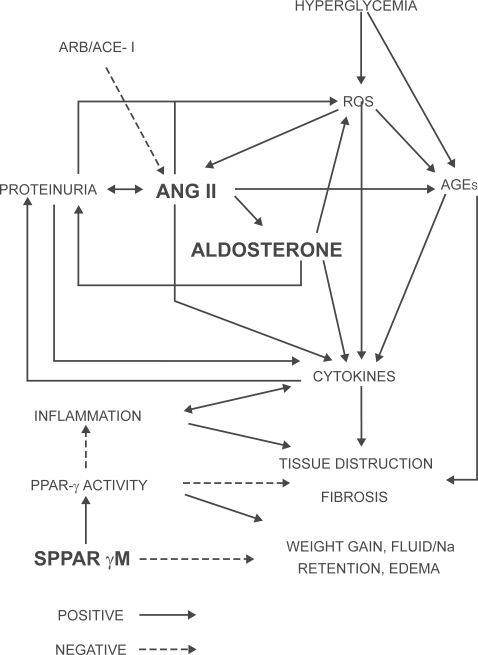
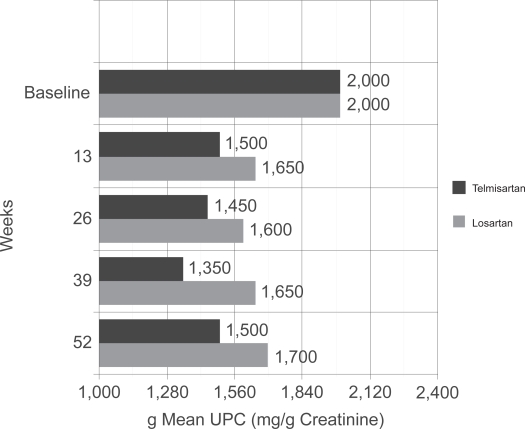
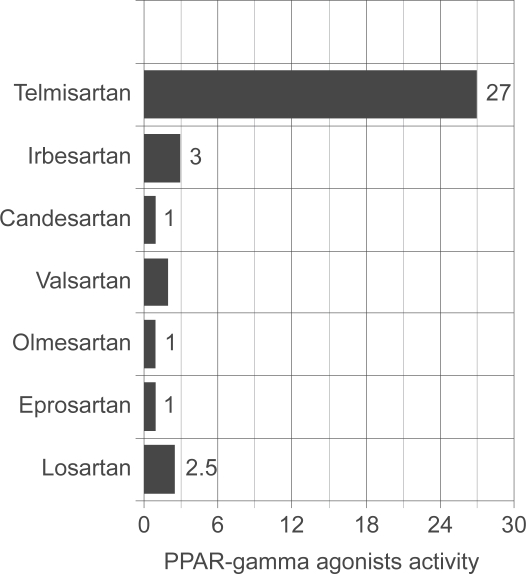
Diabetic kidney disease is characterized by persistent albuminuria (>300 mg/dl or >200 microg/min) that is confirmed on at least 2 occasions 3 to 6 months apart, with a progressive decline in the glomerular filtration rate (GFR), elevated arterial blood pressure, and an increased risk for cardiovascular morbidity and mortality. Diabetic kidney disease is the leading cause of end stage renal disease (ESRD) prompting investigators to evaluate mechanisms by which to slow disease progression. One such mechanism is to block the activity of angiotensin II at the receptor site and agents that follow this mechanism are referred to as angiotensin receptor blockers (ARB). There is sufficient clinical evidence to support that ARB have protective effects on kidney function in patients with diabetes and hypertension. However, in the past decade there have been few investigations comparing individual ARBs on renal outcomes. Telmisartan, a lipophilic ARB with a long half-life, has been hypothesized to have a greater anti-proteinuric effect when compared to the shorter acting losartan. Therefore, the A comparison of telMisartan versus losArtan in hypertensive type 2 DiabEtic patients with Overt nephropathy (AMADEO) trial sought to investigate renal and cardiovascular endpoints. In this review, we discuss the pathophysiology of diabetic kidney disease and implications of the AMADEO trial in the context of current understanding from recent outcome trials.
糖尿病肾病的特征是持续蛋白尿(>300mg/dl或>200μg/min),至少两次间隔3至6个月确认,肾小球滤过率(GFR)逐渐下降,动脉血压升高,心血管发病和死亡风险增加。糖尿病肾病是终末期肾病(ESRD)的主要原因,促使研究人员评估减缓疾病进展的机制。一种这样的机制是在受体部位阻断血管紧张素II的活性,遵循这种机制的药物被称为血管紧张素受体阻滞剂(ARB)。有足够的临床证据支持ARB对糖尿病和高血压患者的肾功能有保护作用。然而,在过去十年中,很少有研究比较不同ARB对肾脏结局的影响。替米沙坦是一种半衰期长的亲脂性ARB,据推测与作用时间较短的氯沙坦相比,具有更大的抗蛋白尿作用。因此,替米沙坦与氯沙坦在高血压2型糖尿病显性肾病患者中的比较(AMADEO)试验旨在研究肾脏和心血管终点。在这篇综述中,我们将讨论糖尿病肾病的病理生理学以及在近期结局试验的当前认识背景下AMADEO试验的意义。