Ohno Satoshi, Kohyama Shunsuke, Taneichi Maiko, Moriya Osamu, Hayashi Hidenori, Oda Hiroshi, Mori Masahito, Kobayashi Akiharu, Akatsuka Toshitaka, Uchida Tetsuya, Matsui Masanori
Department of Microbiology, Faculty of Medicine, Saitama Medical University, Iruma-gun, Saitama 350-0495, Japan.
Vaccine. 2009 Jun 12;27(29):3912-20. doi: 10.1016/j.vaccine.2009.04.001. Epub 2009 Apr 23.
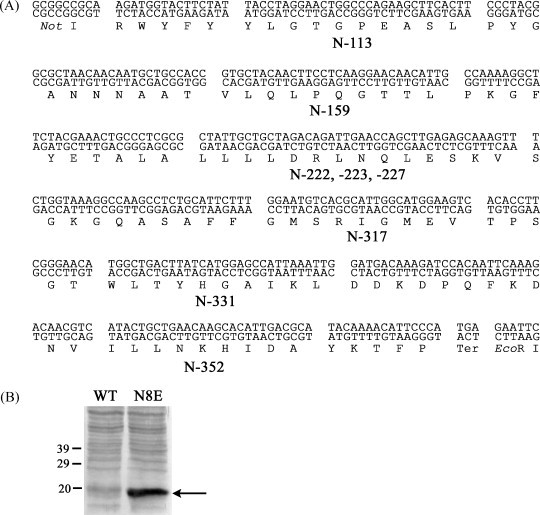
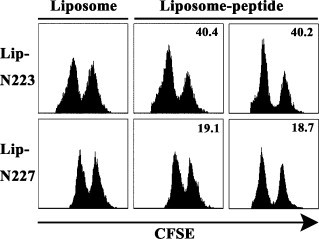
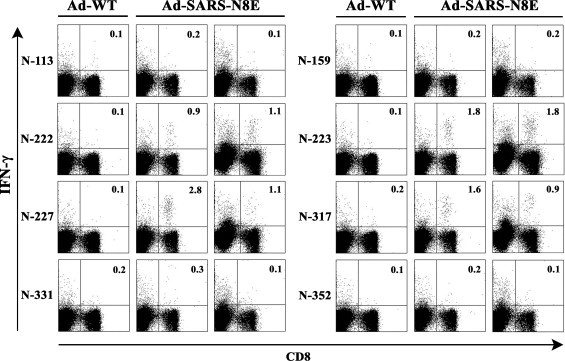
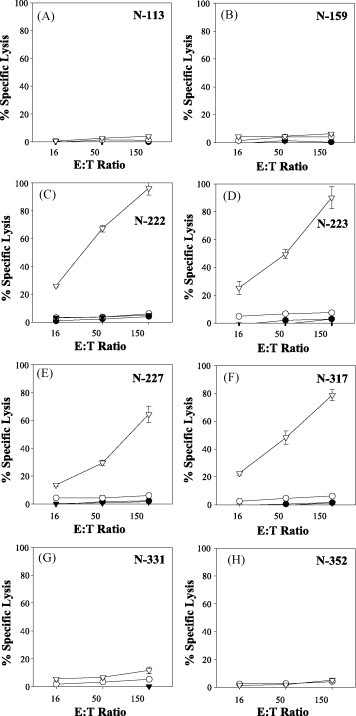
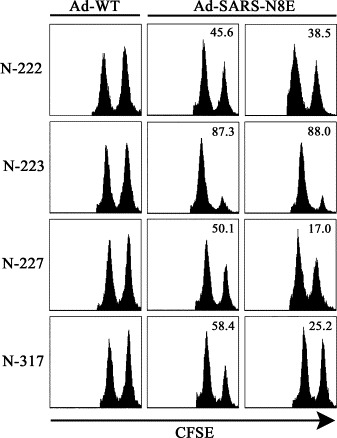
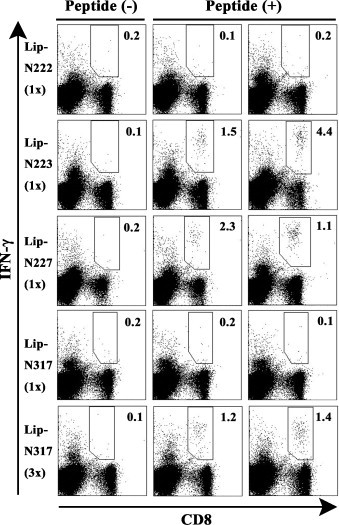
We investigated whether the surface-linked liposomal peptide was applicable to a vaccine based on cytotoxic T lymphocytes (CTLs) against severe acute respiratory syndrome (SARS) coronavirus (SARS-CoV). We first identified four HLA-A0201-restricted CTL epitopes derived from SARS-CoV using HLA-A0201 transgenic mice and recombinant adenovirus expressing predicted epitopes. These peptides were coupled to the surface of liposomes, and inoculated into mice. Two of the liposomal peptides were effective for peptide-specific CTL induction, and one of them was efficient for the clearance of vaccinia virus expressing epitopes of SARS-CoV, suggesting that the surface-linked liposomal peptide might offer an effective CTL-based vaccine against SARS.
我们研究了表面连接脂质体的肽是否适用于基于细胞毒性T淋巴细胞(CTL)的针对严重急性呼吸综合征(SARS)冠状病毒(SARS-CoV)的疫苗。我们首先使用HLA-A0201转基因小鼠和表达预测表位的重组腺病毒,从SARS-CoV中鉴定出四个HLA-A0201限制性CTL表位。将这些肽偶联到脂质体表面,然后接种到小鼠体内。其中两种脂质体肽对肽特异性CTL的诱导有效,其中一种对清除表达SARS-CoV表位的痘苗病毒有效,这表明表面连接脂质体的肽可能提供一种有效的基于CTL的抗SARS疫苗。