Paschos Kostas, Smith Paul, Anderton Emma, Middeldorp Jaap M, White Robert E, Allday Martin J
Department of Virology, Faculty of Medicine, Imperial College London, London, United Kingdom.
PLoS Pathog. 2009 Jun;5(6):e1000492. doi: 10.1371/journal.ppat.1000492. Epub 2009 Jun 26.
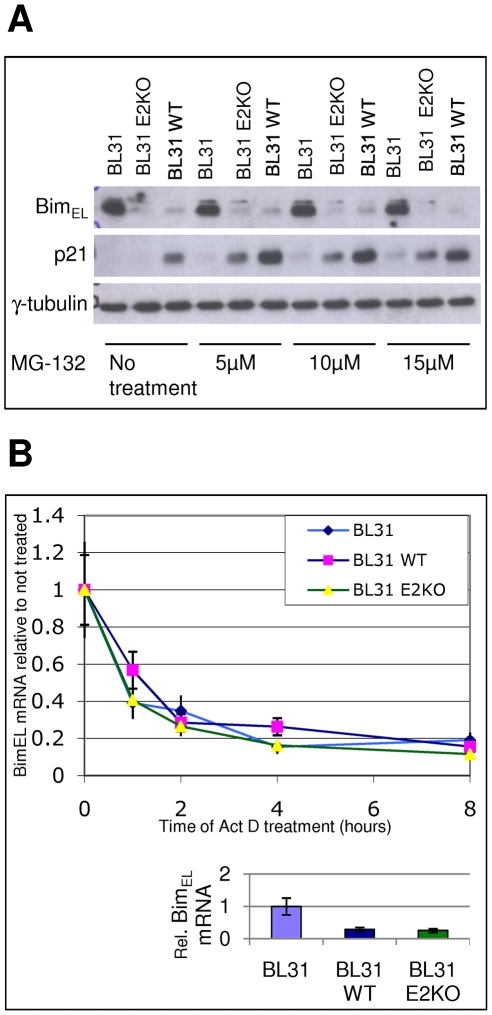
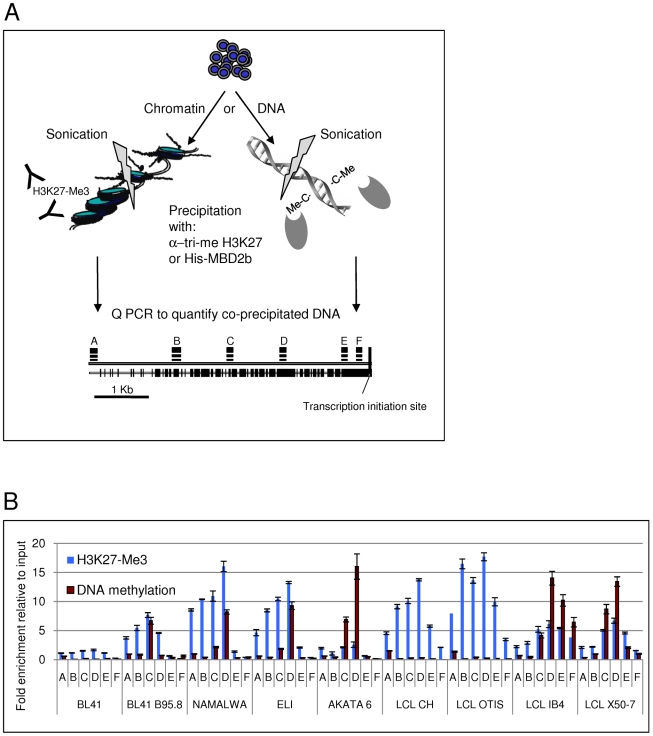
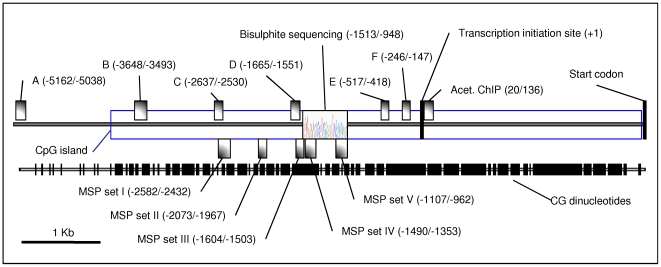
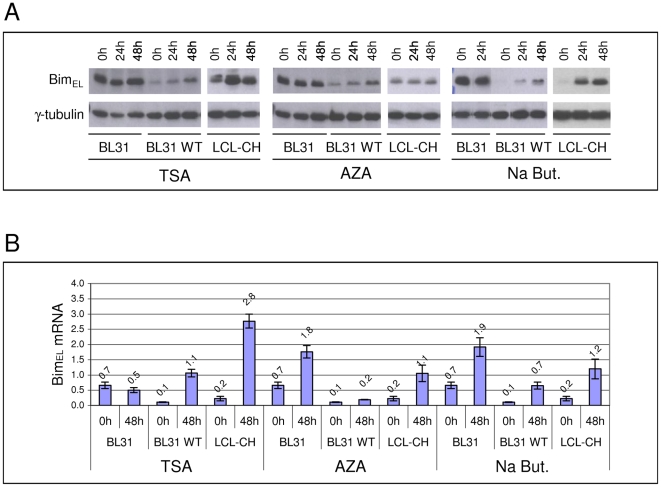
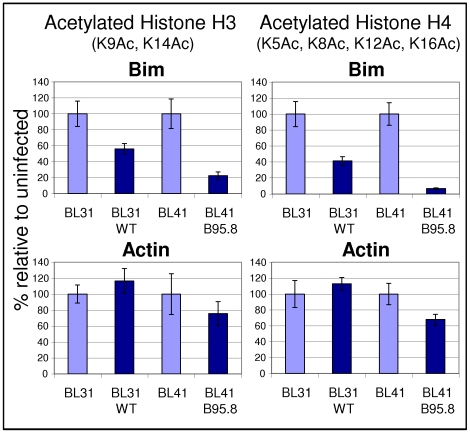
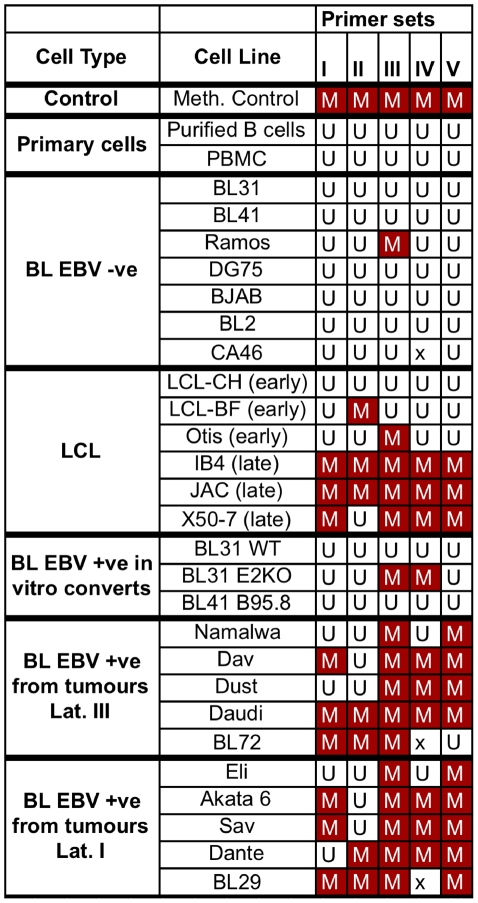
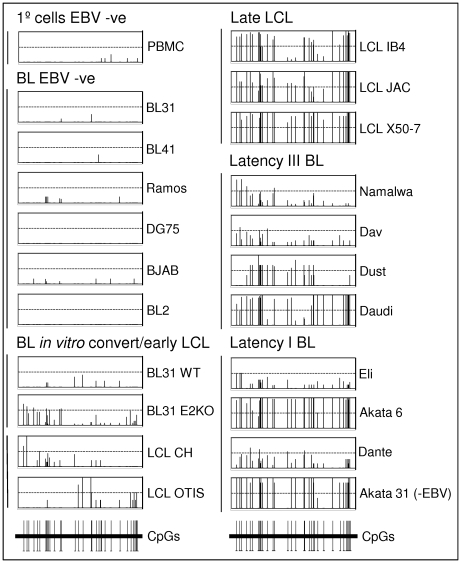
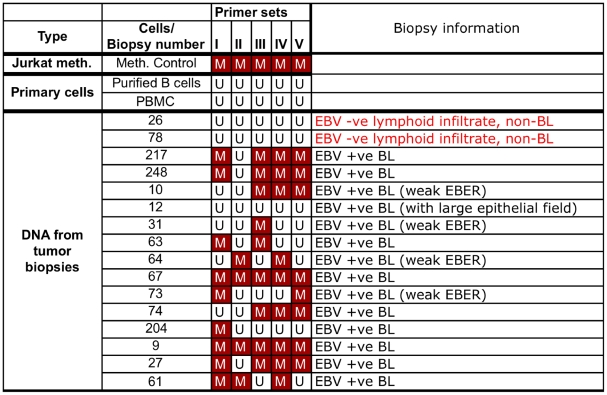
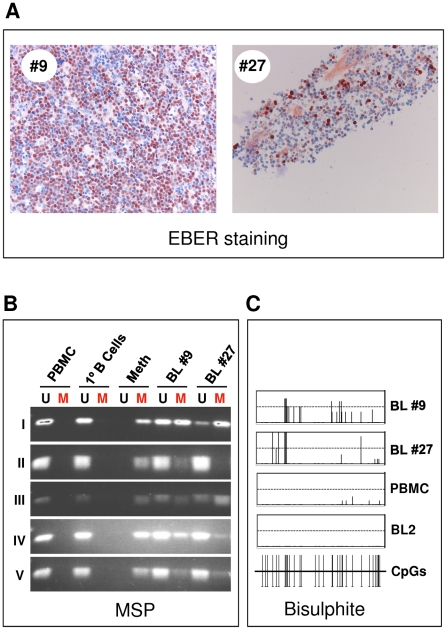
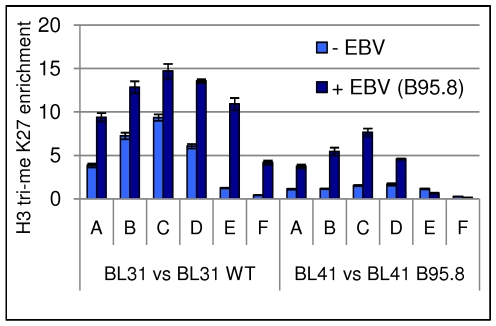
In human B cells infected with Epstein-Barr virus (EBV), latency-associated virus gene products inhibit expression of the pro-apoptotic Bcl-2-family member Bim and enhance cell survival. This involves the activities of the EBV nuclear proteins EBNA3A and EBNA3C and appears to be predominantly directed at regulating Bim mRNA synthesis, although post-transcriptional regulation of Bim has been reported. Here we show that protein and RNA stability make little or no contribution to the EBV-associated repression of Bim in latently infected B cells. However, treatment of cells with inhibitors of histone deacetylase (HDAC) and DNA methyltransferase (DNMT) enzymes indicated that epigenetic mechanisms are involved in the down-regulation of Bim. This was initially confirmed by chromatin immunoprecipitation analysis of histone acetylation levels on the Bim promoter. Consistent with this, methylation-specific PCR (MSP) and bisulphite sequencing of regions within the large CpG island located at the 5' end of Bim revealed significant methylation of CpG dinucleotides in all EBV-positive, but not EBV-negative B cells examined. Genomic DNA samples exhibiting methylation of the Bim promoter included extracts from a series of explanted EBV-positive Burkitt's lymphoma (BL) biopsies. Subsequent analyses of the histone modification H3K27-Me3 (trimethylation of histone H3 lysine 27) and CpG methylation at loci throughout the Bim promoter suggest that in EBV-positive B cells repression of Bim is initially associated with this repressive epigenetic histone mark gradually followed by DNA methylation at CpG dinucleotides. We conclude that latent EBV initiates a chain of events that leads to epigenetic repression of the tumour suppressor gene Bim in infected B cells and their progeny. This reprogramming of B cells could have important implications for our understanding of EBV persistence and the pathogenesis of EBV-associated disease, in particular BL.
在感染爱泼斯坦-巴尔病毒(EBV)的人类B细胞中,潜伏相关病毒基因产物抑制促凋亡Bcl-2家族成员Bim的表达并提高细胞存活率。这涉及EBV核蛋白EBNA3A和EBNA3C的活性,并且似乎主要针对调节Bim mRNA的合成,尽管已有报道称存在对Bim的转录后调控。在这里,我们表明蛋白质和RNA稳定性对潜伏感染的B细胞中EBV相关的Bim抑制作用贡献很小或没有贡献。然而,用组蛋白脱乙酰酶(HDAC)和DNA甲基转移酶(DNMT)抑制剂处理细胞表明,表观遗传机制参与了Bim的下调。这最初通过对Bim启动子上组蛋白乙酰化水平的染色质免疫沉淀分析得到证实。与此一致的是,对位于Bim 5'端的大CpG岛内区域进行的甲基化特异性PCR(MSP)和亚硫酸氢盐测序显示,在所有检测的EBV阳性而非EBV阴性B细胞中,CpG二核苷酸存在显著甲基化。表现出Bim启动子甲基化的基因组DNA样本包括一系列移植的EBV阳性伯基特淋巴瘤(BL)活检组织的提取物。随后对整个Bim启动子位点的组蛋白修饰H3K27-Me3(组蛋白H3赖氨酸27的三甲基化)和CpG甲基化的分析表明,在EBV阳性B细胞中,Bim的抑制最初与这种抑制性表观遗传组蛋白标记相关,随后逐渐出现CpG二核苷酸的DNA甲基化。我们得出结论,潜伏的EBV引发了一系列事件,导致感染的B细胞及其后代中肿瘤抑制基因Bim的表观遗传抑制。B细胞的这种重编程可能对我们理解EBV的持续存在以及EBV相关疾病(特别是BL)的发病机制具有重要意义。