Bianco Robert A, Agassandian Khristofor, Cassell Martin D, Spector Arthur A, Sigmund Curt D
Department of Internal Medicine, The University of Iowa, Iowa City, IA 52242, USA.
Brain Res. 2009 Sep 29;1291:60-72. doi: 10.1016/j.brainres.2009.07.060. Epub 2009 Jul 28.
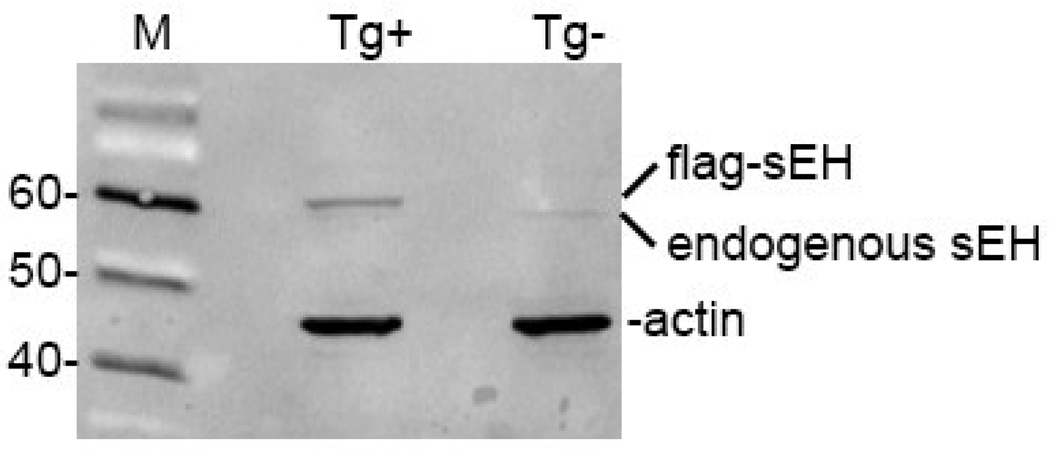
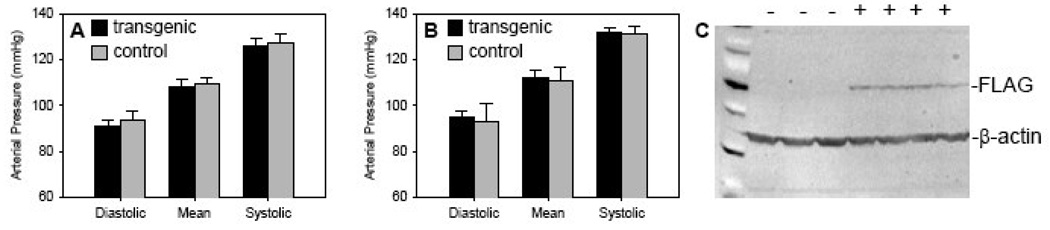
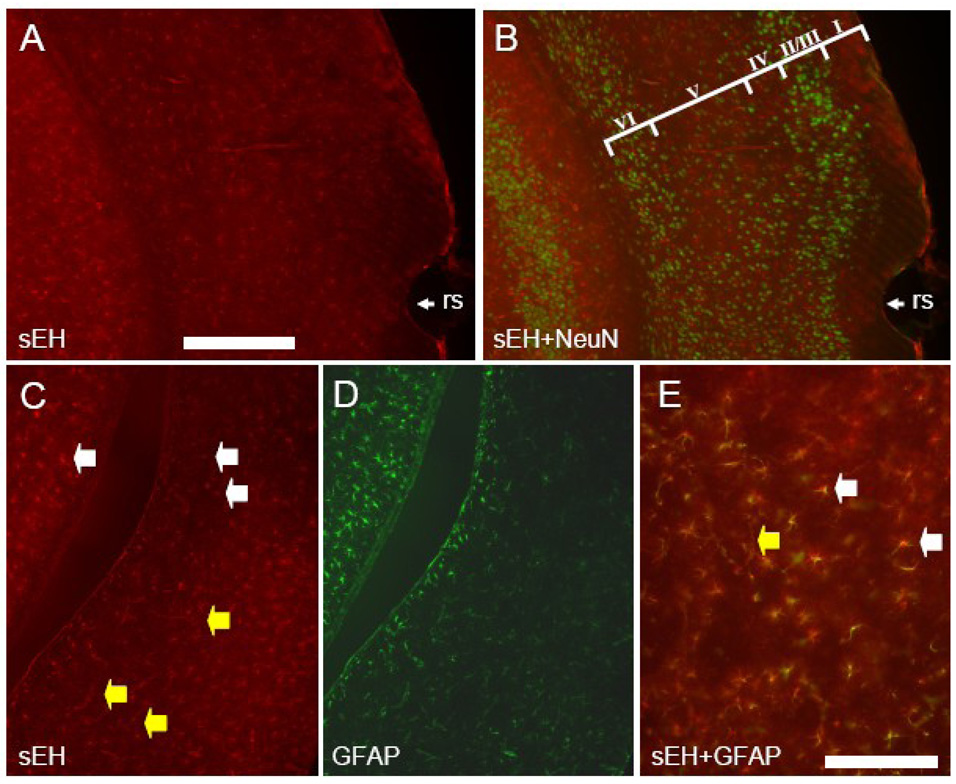
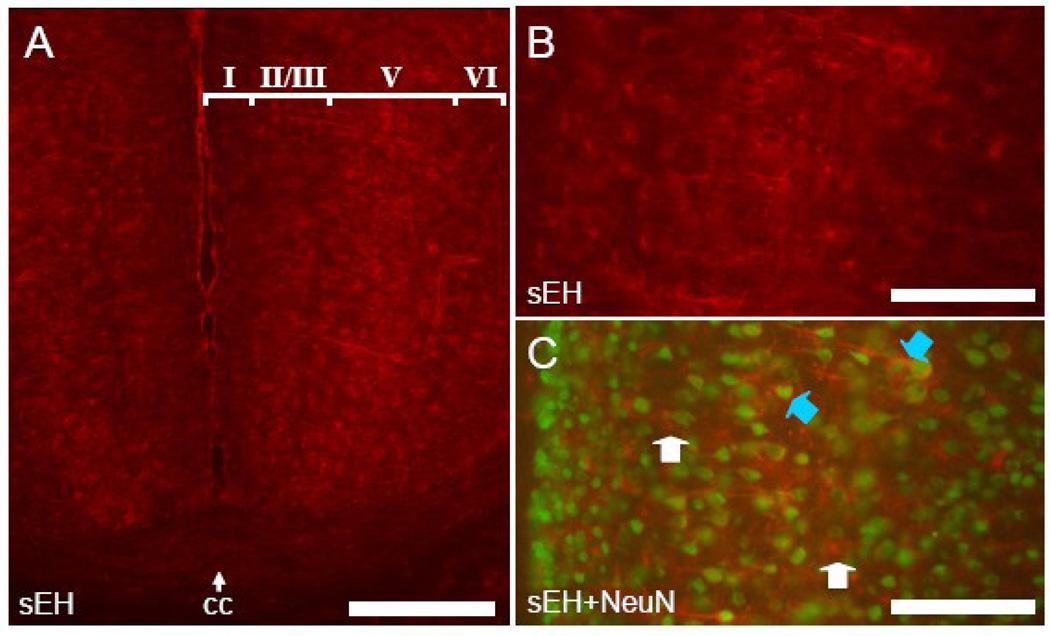
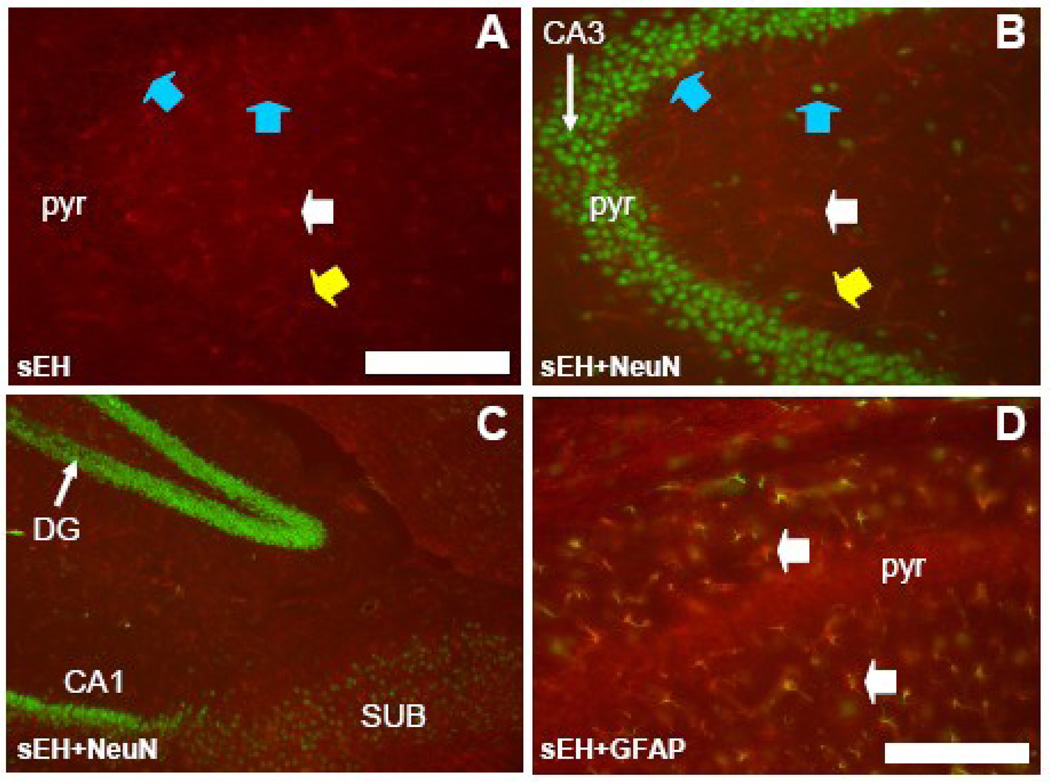
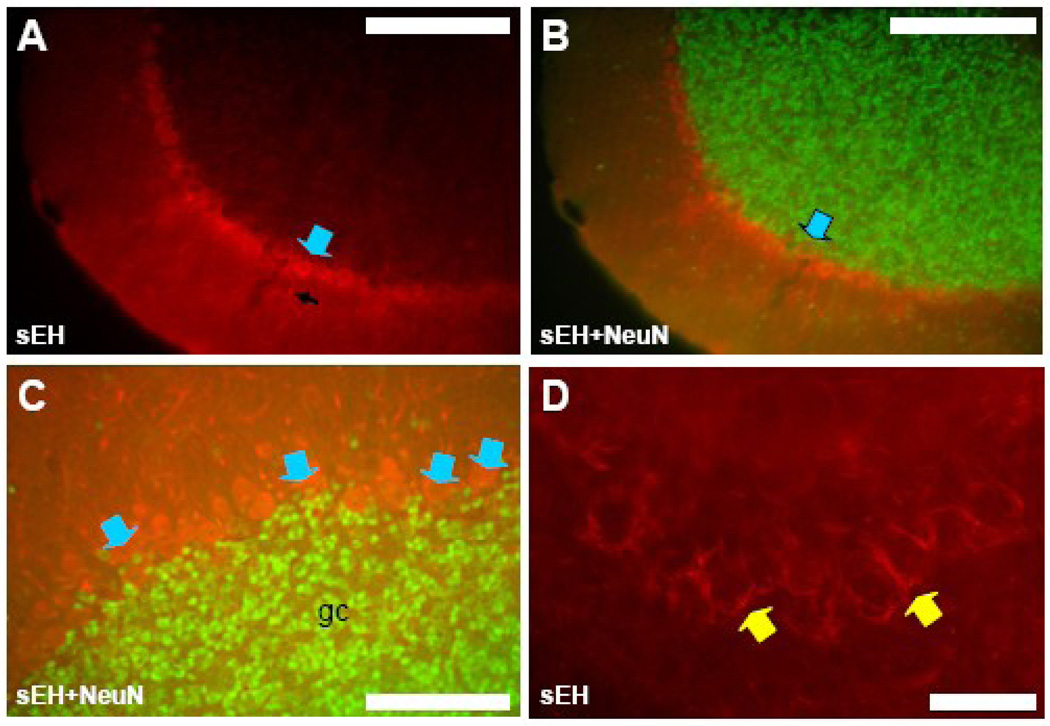
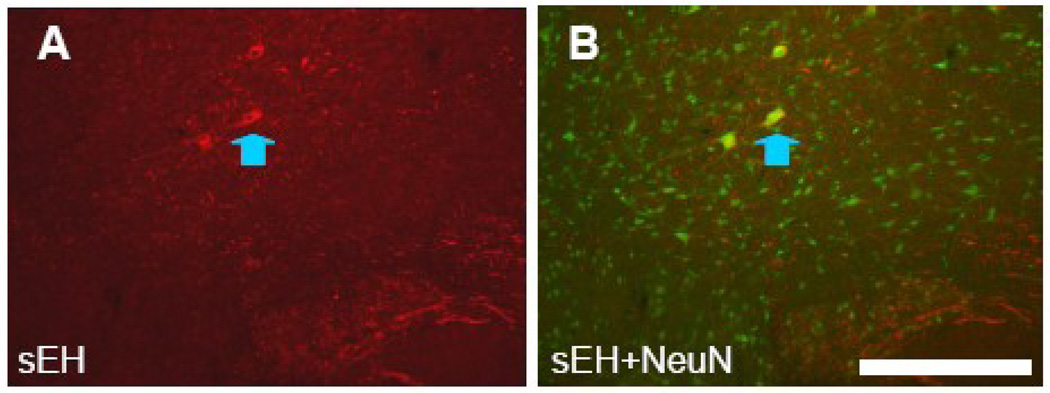
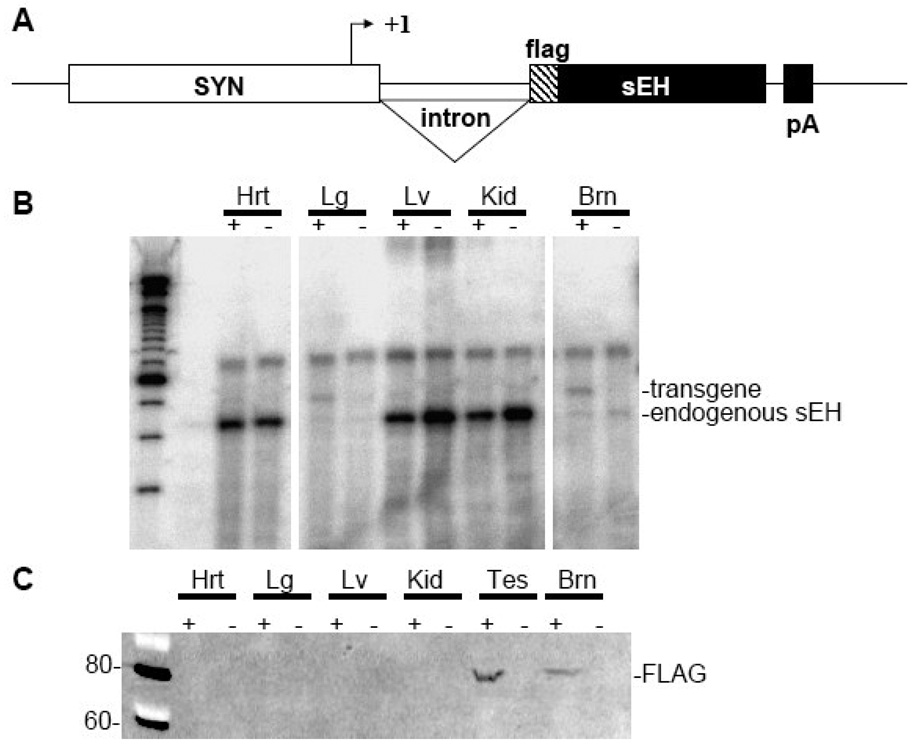
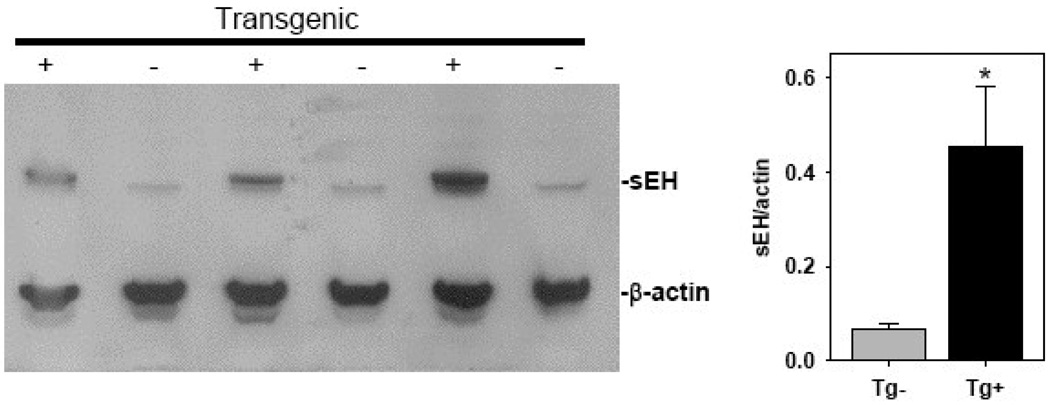
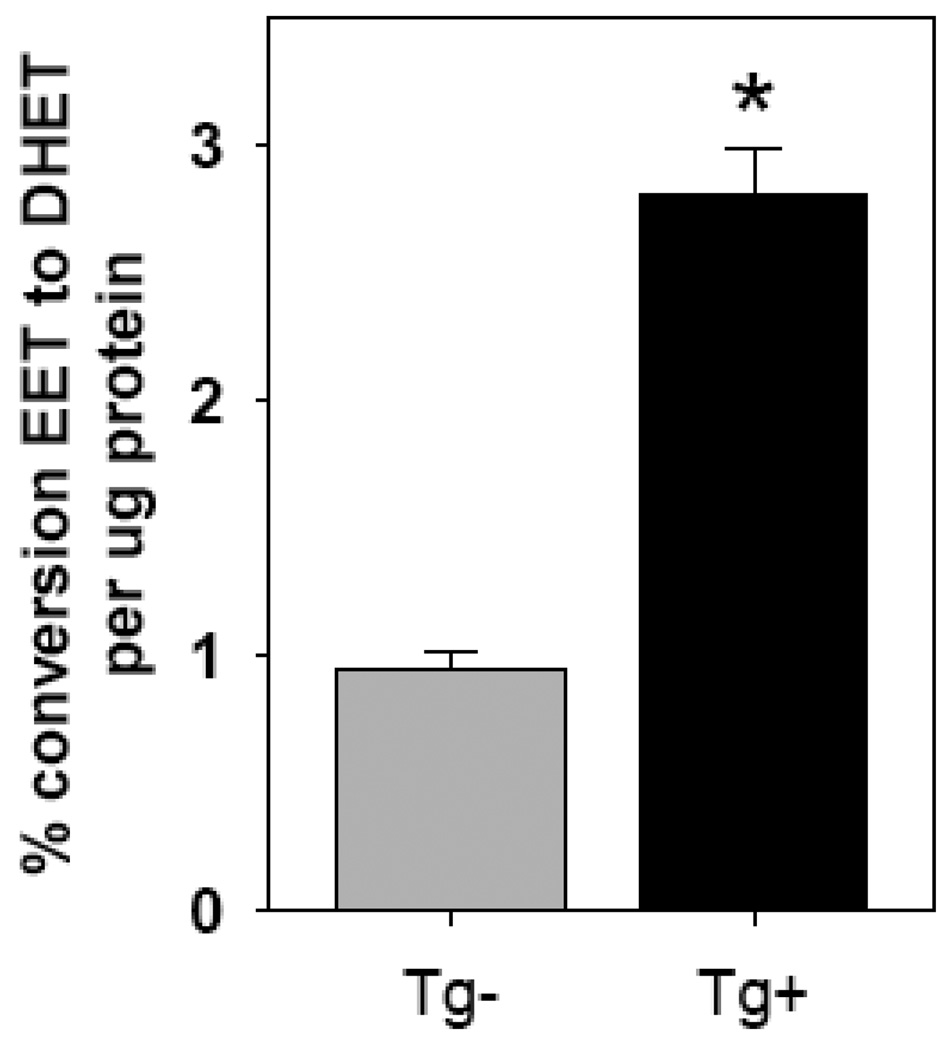
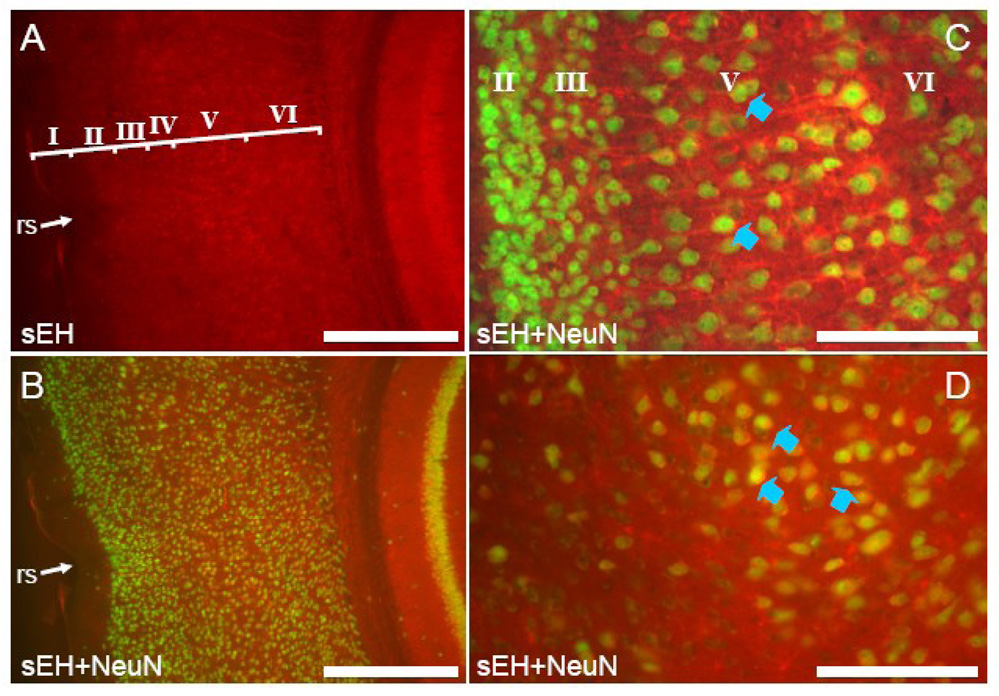
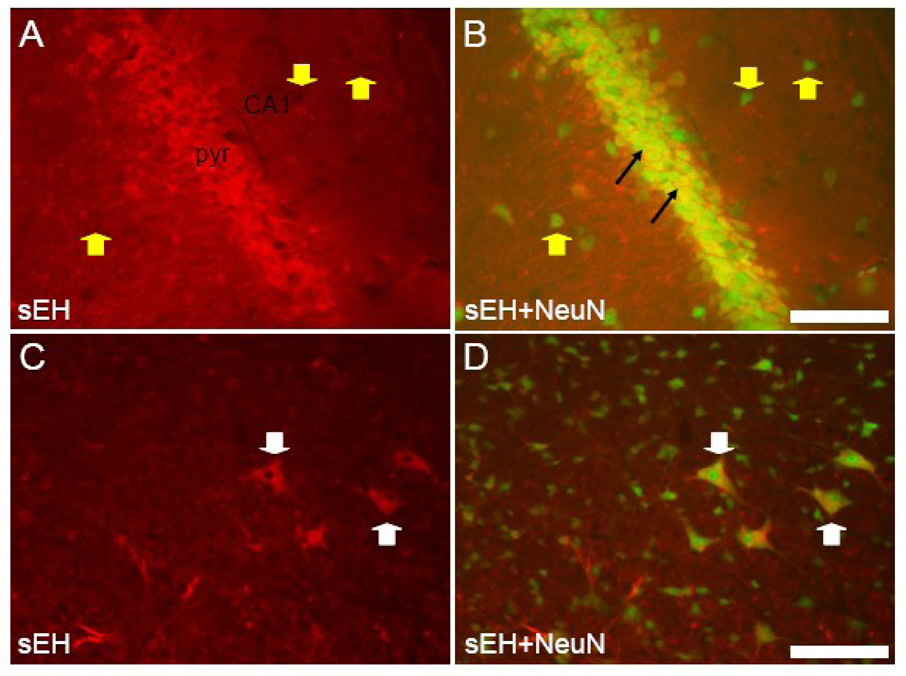
Soluble epoxide hydrolase (sEH) is the major enzyme responsible for the metabolism and inactivation of epoxyeicosatrienoic acids (EETs). EETs are produced by the cytochrome P450 (CYP) epoxygenase pathway of arachidonic acid (AA) metabolism and tend to be anti-hypertensive, anti-inflammatory and protective against ischemic injury. Since the metabolism of EETs by sEH reduces or eliminates their bioactivity, inhibition of sEH has become a therapeutic strategy for hypertension and inflammation. sEH is found in nearly all tissues so the systemic application of inhibitors is likely to affect more than blood pressure and inflammation. In the central nervous system, EETs are thought to play a role in the regulation of local blood flow, protection from ischemic injury, inhibition of inflammation, the release of peptide hormones and modulation of fever. However, little is known about region- and cell-specific expression of sEH in the brain. In the mouse brain, expression of sEH was found widely in cortical and hippocampal astrocytes and also in a few specific neuron types in the cortex, cerebellum, and medulla. To assess the functional significance of neuronal sEH, we generated a transgenic mouse model, which over-expresses sEH specifically in neurons. Transgenic mice showed increased neuron labeling in cortex and hippocampus with little change in labeling of other brain regions. Despite a 3-fold increase in sEH activity in the brain, there was no change in arterial pressure. This data provides new information required for studying the central roles of the cytochrome P450 epoxygenase pathway.
可溶性环氧化物水解酶(sEH)是负责环氧二十碳三烯酸(EETs)代谢和失活的主要酶。EETs由花生四烯酸(AA)代谢的细胞色素P450(CYP)环氧合酶途径产生,往往具有抗高血压、抗炎和预防缺血性损伤的作用。由于sEH对EETs的代谢会降低或消除其生物活性,抑制sEH已成为治疗高血压和炎症的一种策略。sEH几乎存在于所有组织中,因此抑制剂的全身应用可能会影响的不仅仅是血压和炎症。在中枢神经系统中,EETs被认为在局部血流调节、预防缺血性损伤、抑制炎症、肽类激素释放和发热调节中发挥作用。然而,关于sEH在大脑中的区域和细胞特异性表达知之甚少。在小鼠大脑中,发现sEH在皮质和海马星形胶质细胞中广泛表达,在皮质、小脑和延髓的一些特定神经元类型中也有表达。为了评估神经元sEH的功能意义,我们构建了一种转基因小鼠模型,该模型在神经元中特异性过表达sEH。转基因小鼠在皮质和海马中的神经元标记增加,而其他脑区的标记变化不大。尽管大脑中的sEH活性增加了3倍,但动脉血压没有变化。这些数据为研究细胞色素P450环氧合酶途径的核心作用提供了新的信息。