Brass C A, Narciso J, Gollan J L
Gastroenterology Division, Brigham and Women's Hospital, Boston, Massachusetts.
J Clin Invest. 1991 Feb;87(2):424-31. doi: 10.1172/JCI115013.
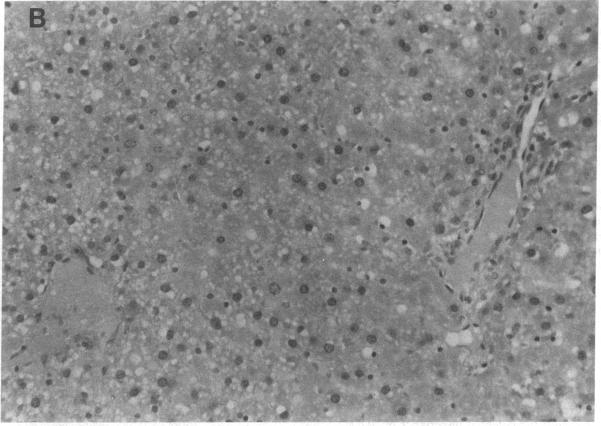
It has been widely proposed that conversion of xanthine dehydrogenase (XDH) to its free radical-producing form, xanthine oxidase (XOD), underlies ischemic/reperfusion injury, although the relationship of this conversion to hypoxia and its physiologic control have not been defined. This study details the time course and control of this enzymatic interconversion. In a functionally intact, isolated perfused rat liver model, mean % XOD activity increased as a function of both the duration (25 to 45% in 3 h) and degree (r = 0.97) of hypoxia. This process was markedly accelerated in ischemic liver by an overnight fast (45 vs. 30% at 2 h), and by imposing a short period of in vivo ischemia (cardiopulmonary arrest 72%). Moreover, only under these conditions was there a significant rise in the XOD activity due to the conformationally altered XDH molecule (XODc, 18%), as well as concomitant morphologic injury. Neither circulating white blood cells nor thrombosis appeared to contribute to the effects of in vivo ischemia on enzyme conversion. Thus, it is apparent that conversion to the free radical-producing state, with high levels of XOD activity and concurrent cellular injury, can be achieved during a relatively short period of hypoxia under certain well-defined physiologic conditions, in a time course consistent with its purported role in modulating reperfusion injury. These data also suggest that the premorbid condition of organ donors (e.g., nutritional status and relative state of hypoxia) is important in achieving optimal organ preservation.
尽管黄嘌呤脱氢酶(XDH)向其产生自由基的形式黄嘌呤氧化酶(XOD)的转化与缺氧及其生理调控之间的关系尚未明确,但普遍认为这种转化是缺血/再灌注损伤的基础。本研究详细阐述了这种酶促相互转化的时间进程和调控机制。在功能完整的离体灌注大鼠肝脏模型中,XOD的平均活性百分比随缺氧持续时间(3小时内从25%增至45%)和程度(r = 0.97)的增加而升高。禁食过夜(2小时时分别为45%和30%)以及短暂的体内缺血(心肺骤停72%)可显著加速缺血肝脏中的这一过程。此外,只有在这些条件下,由于构象改变的XDH分子(XODc,18%)导致XOD活性显著升高,同时伴有形态学损伤。循环白细胞和血栓形成似乎均未对体内缺血对酶转化的影响产生作用。因此,显而易见的是,在某些明确的生理条件下,在相对较短的缺氧期内,可实现向产生自由基状态的转化,伴有高水平的XOD活性和同时发生的细胞损伤,其时间进程与其在调节再灌注损伤中的假定作用一致。这些数据还表明,器官供体的病前状况(如营养状况和相对缺氧状态)对于实现最佳的器官保存至关重要。