Baba Hideo A, Wohlschlaeger Jeremias
Institute of Pathology and Neuropathology, University Hospital of Essen, University of Duisburg-Essen, Germany.
Curr Cardiol Rev. 2008 Aug;4(3):157-69. doi: 10.2174/157340308785160606.
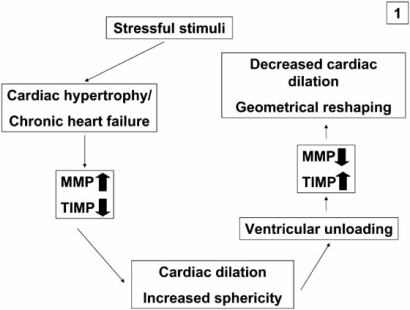
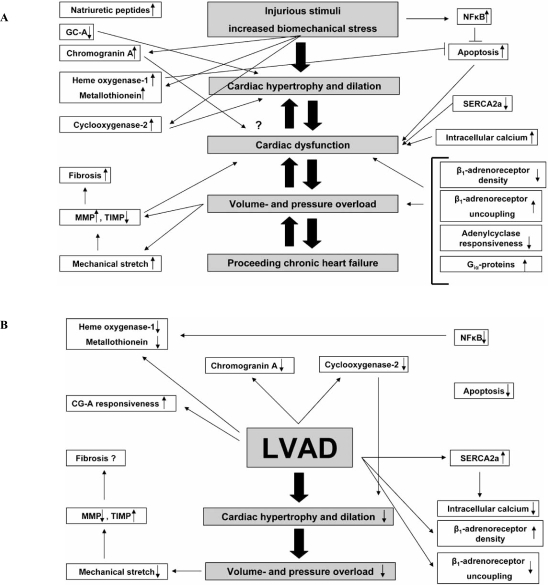
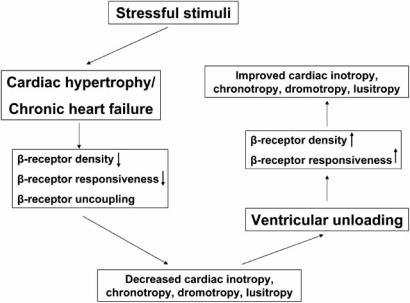
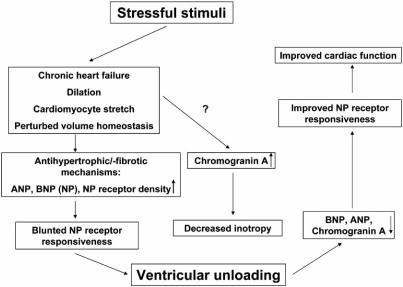
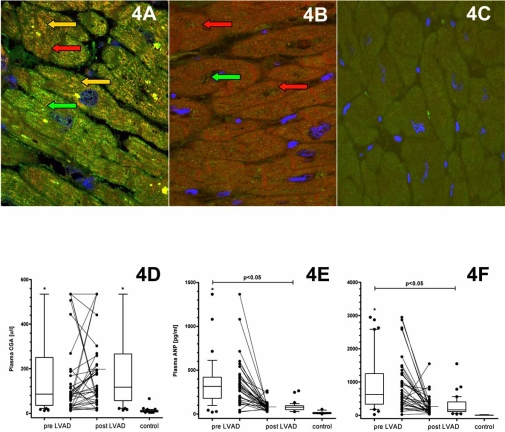
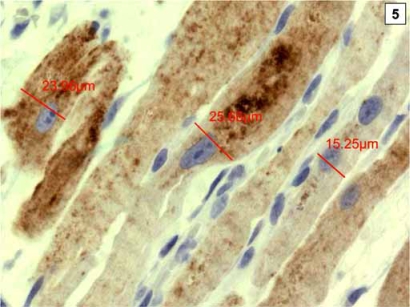
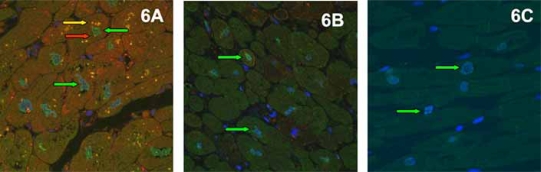
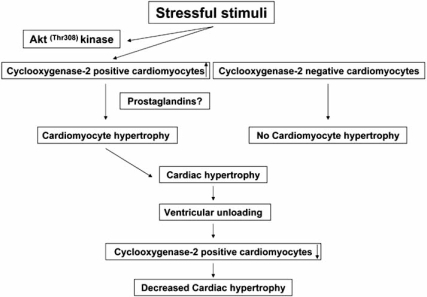
Left ventricular assist devices (LVAD) are currently used to either "bridge" patients with terminal congestive heart failure (CHF) until cardiac transplantation is possible or optionally for patients with contraindications for transplantation ("destination therapy"). Mechanical support is associated with a marked decrease of cardiac dilation and hypertrophy as well as numerous cellular and molecular changes ("reverse cardiac remodeling"), which can be accompanied by improved cardiac function ("bridge to recovery") in a relatively small subset of patients with heart transplantation no longer necessary even after removal of the device ("weaning"). In the recent past, novel pharmacological strategies have been developed and are combined with mechanical support, which has increased the percentage of patients with improved clinical status and cardiac performance. Gene expression profiles have demonstrated that individuals who recover after LVAD show different gene expression compared to individuals who do not respond to unloading. This methodology holds promise for the future to develop read out frames to identify individuals who can recover after support. Aside from describing the morphological changes associated with "reverse cardiac remodeling", this review will focus on signal transduction, transcriptional regulation, apoptosis, cell stress proteins, matrix remodeling, inflammatory mediators and aspects of neurohormonal activation in the failing human heart before and after ventricular unloading.
左心室辅助装置(LVAD)目前用于“过渡”终末期充血性心力衰竭(CHF)患者直至能够进行心脏移植,或者选择性地用于有移植禁忌证的患者(“目标治疗”)。机械支持与心脏扩张和肥大的显著减轻以及众多细胞和分子变化(“逆向心脏重塑”)相关,在相对一小部分患者中,这可能伴随着心脏功能改善(“过渡到恢复”),甚至在移除装置后(“撤机”)也不再需要进行心脏移植。近年来,已开发出新型药理学策略并将其与机械支持相结合,这提高了临床状况和心脏功能改善患者的比例。基因表达谱表明,与对负荷减轻无反应的个体相比,LVAD支持后恢复的个体表现出不同的基因表达。这种方法有望在未来开发出读出框架,以识别支持后能够恢复的个体。除了描述与“逆向心脏重塑”相关的形态学变化外,本综述将重点关注心室卸载前后衰竭人心脏中的信号转导、转录调控、细胞凋亡、细胞应激蛋白、基质重塑、炎症介质以及神经激素激活方面。