Institute of Child Development, University of Minnesota, 51 East River Parkway, Minneapolis, MN 55455, United States.
Psychoneuroendocrinology. 2010 Jul;35(6):833-45. doi: 10.1016/j.psyneuen.2009.11.008.
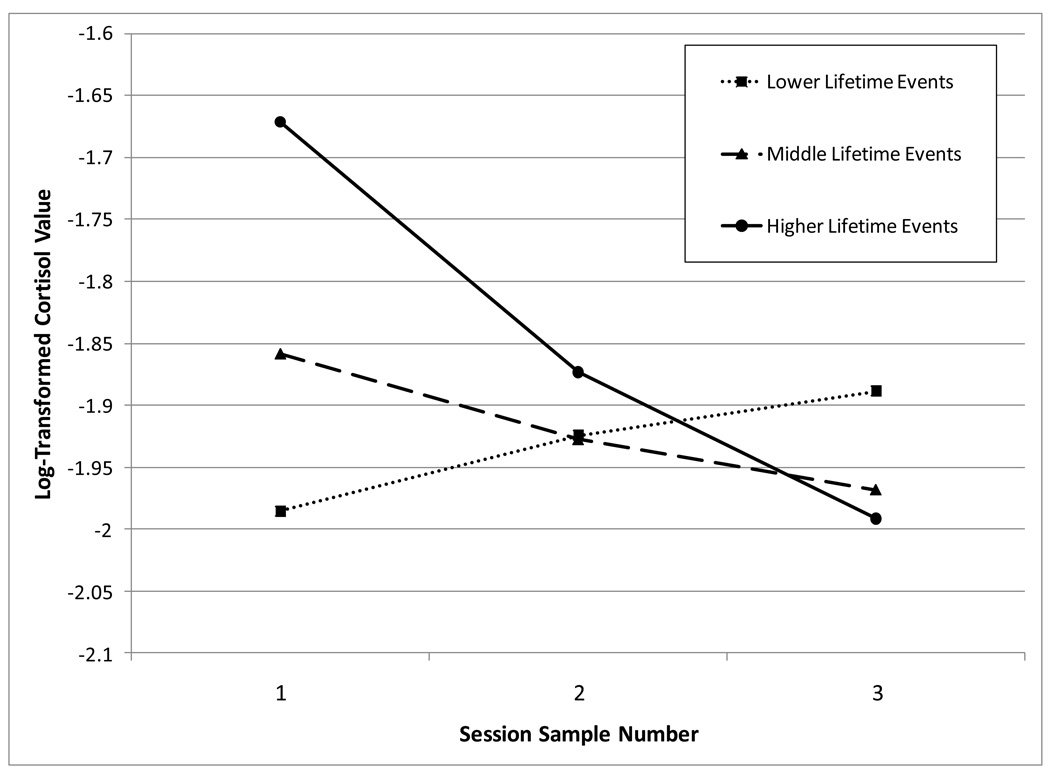
Homelessness represents a context of extreme poverty and risk for child development. This study compared the relative influence of two classes of risk in the context of homelessness. Levels of socioeconomic resource-related risk and negative lifetime events were examined with respect to morning cortisol levels and cortisol response to a set of cognitive tasks. Participants were 66 children between the ages of 4 and 7 years staying in an emergency shelter for families. Adversities largely reflecting family level negative life events predicted higher levels of morning cortisol and differences in initial level and change over the course of the session of cognitive tasks. In contrast, a socioeconomic cumulative risk score was not associated with morning or session-related differences in cortisol.
无家可归代表了儿童发展的极端贫困和风险环境。本研究比较了无家可归环境中两类风险的相对影响。考察了与社会经济资源相关的风险水平和负面生活事件对晨皮质醇水平和皮质醇对一系列认知任务反应的影响。参与者是 66 名年龄在 4 到 7 岁之间的儿童,他们住在一个为家庭提供的紧急避难所。主要反映家庭负面生活事件的逆境预测了更高的晨皮质醇水平和认知任务过程中初始水平和变化的差异。相比之下,社会经济累积风险评分与晨皮质醇或与课程相关的皮质醇差异无关。