Laboratori de Neurofarmacologia, Departament de Ciències de Experimentals i de la Salut. Universitat Pompeu Fabra, PRBB, Barcelona, Spain.
Int J Obes (Lond). 2010 Mar;34(3):557-68. doi: 10.1038/ijo.2009.262. Epub 2009 Dec 22.
Fatty acid amide hydrolase (FAAH) is the main degrading enzyme of the fatty acid ethanolamides anandamide (AEA) and oleoylethanolamide (OEA), which have opposite effects on food intake and energy balance. AEA, an endogenous ligand of CB(1) cannabinoid receptors, enhances food intake and energy storage, whereas OEA binds to peroxisome proliferator-activated receptors-alpha to reduce food intake and promoting lipolysis. To elucidate the role of FAAH in food intake and energy balance, we have evaluated different metabolic and behavioral responses related to feeding in FAAH-deficient (FAAH(-/-)) mice and their wild-type littermates.
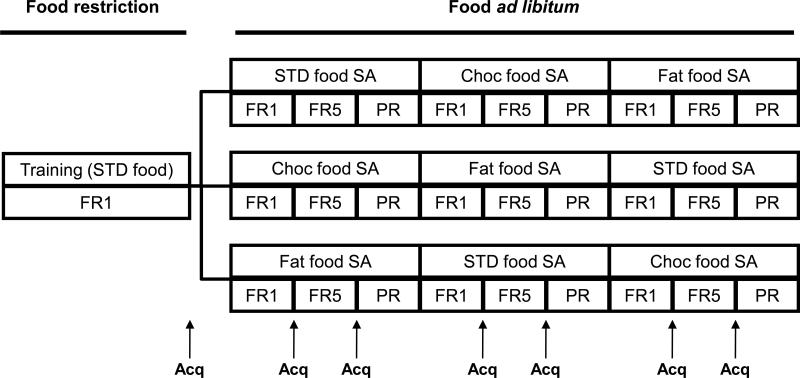
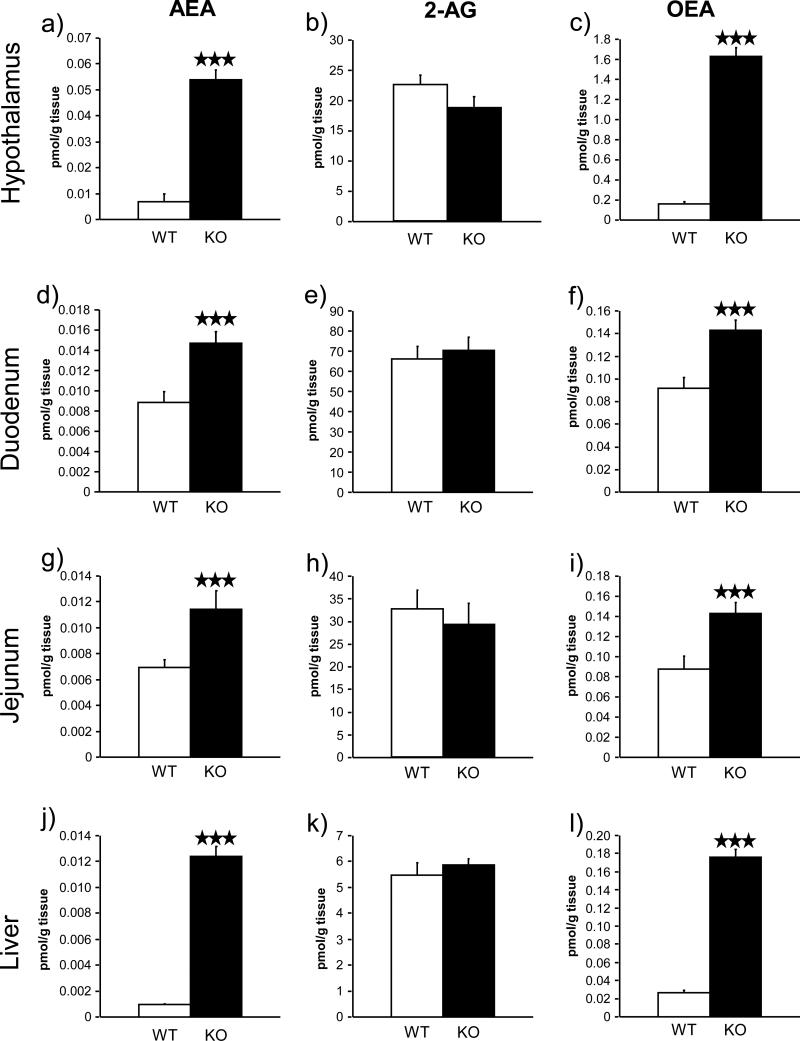
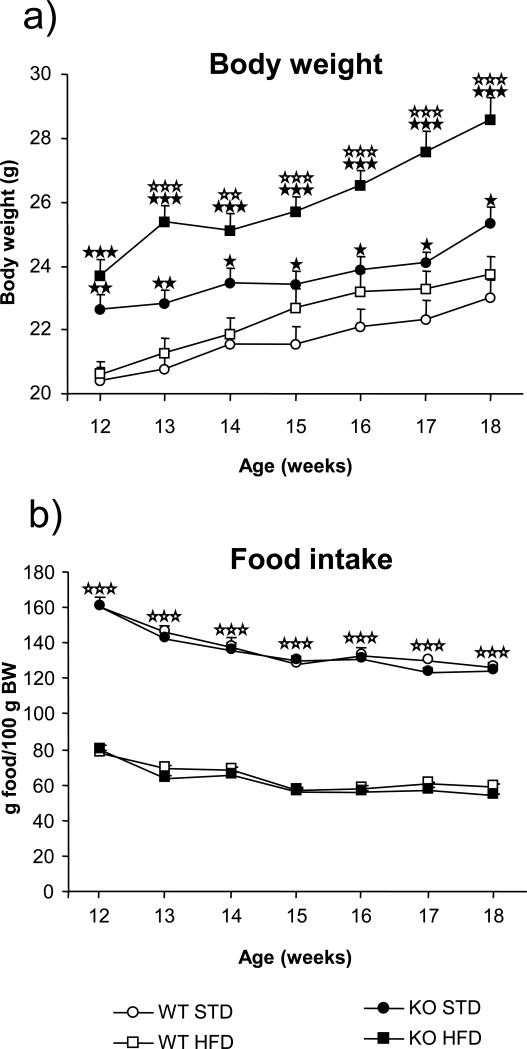
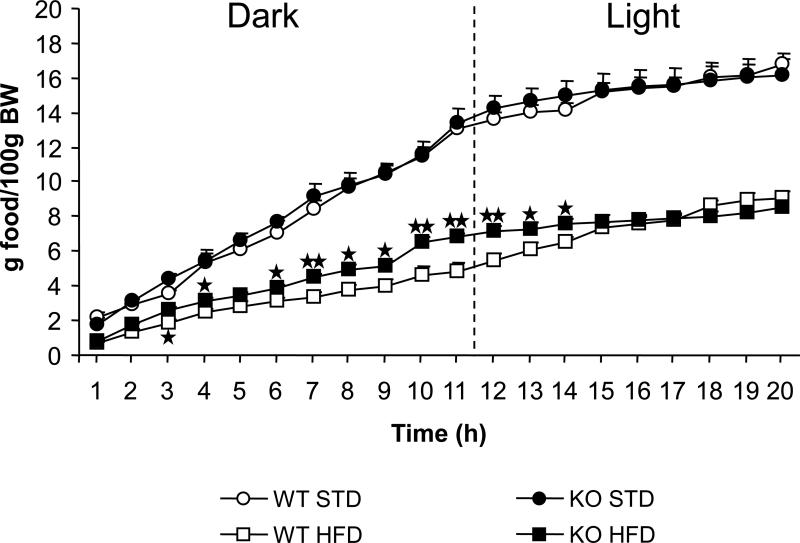
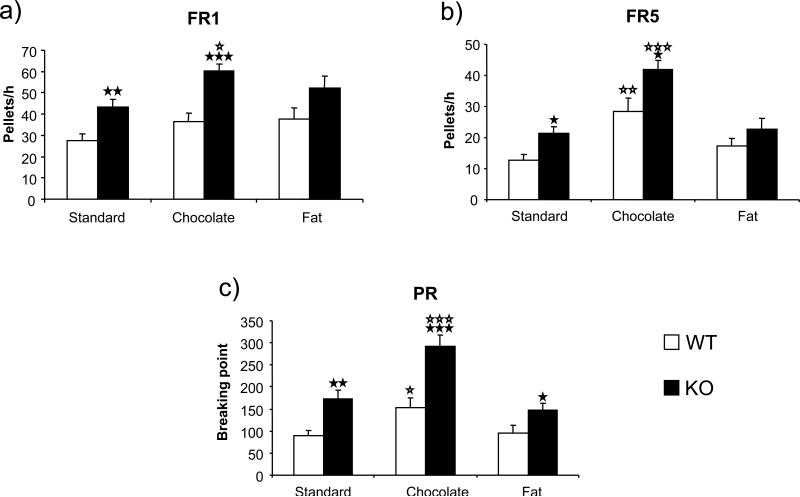
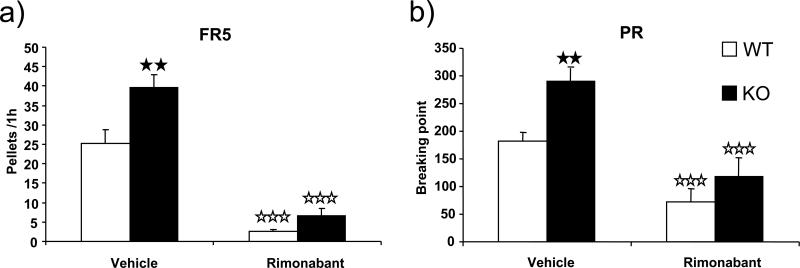
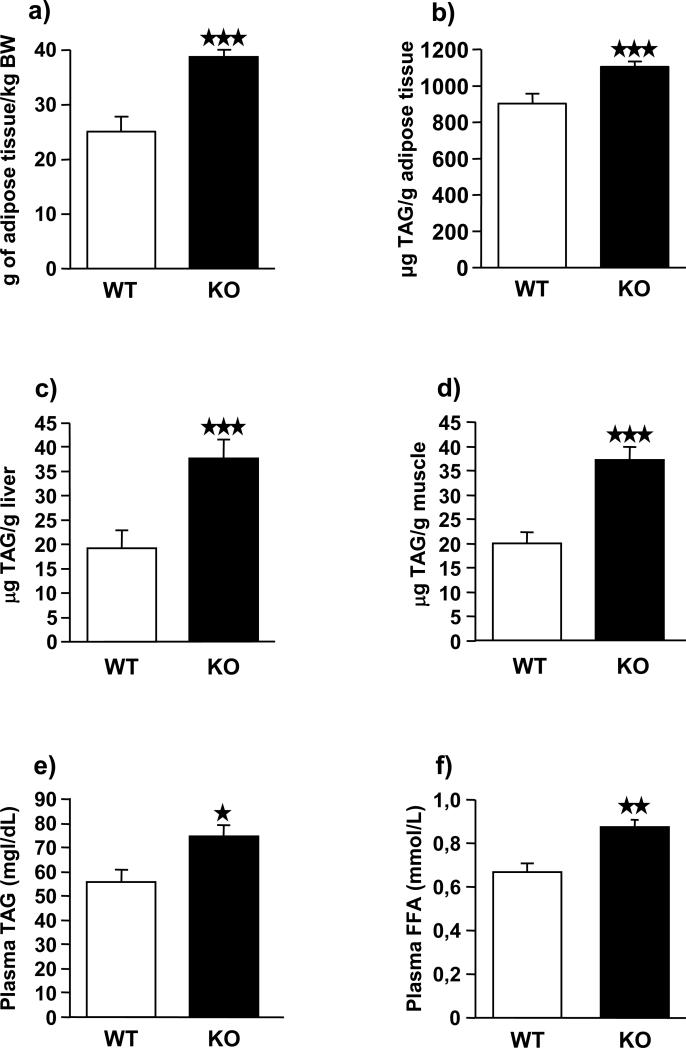
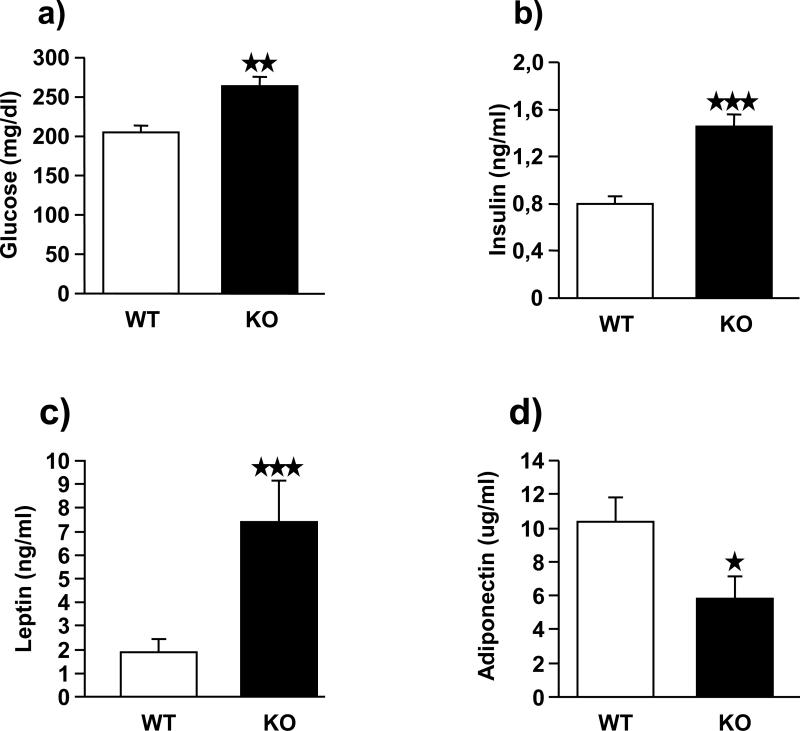
Total daily food intake was similar in both genotypes, but high-fat food consumption was enhanced during the dark hours and decreased during the light hours in FAAH(-/-) mice. The reinforcing and motivational effects of food were also enhanced in FAAH(-/-) mice as revealed by operant behavioral paradigms. These behavioral responses were reversed by the administration of the selective CB(1) cannabinoid antagonist rimonabant. Furthermore, body weight, total amount of adipose tissue, plasma-free fatty acids and triglyceride content in plasma, liver, skeletal muscle and adipose tissue, were increased in FAAH(-/-) mice. Accordingly, leptin levels were increased and adiponectin levels decreased in these mutants, FAAH(-/-) mice also showed enhanced plasma insulin and blood glucose levels revealing an insulin resistance. As expected, both AEA and OEA levels were increased in hypothalamus, small intestine and liver of FAAH(-/-) mice.
These results indicate that the lack of FAAH predominantly promotes energy storage by food intake-independent mechanisms, through the enhancement of AEA levels rather than promoting the anorexic effects of OEA.
脂肪酸酰胺水解酶(FAAH)是脂肪酸乙醇酰胺类物质——花生四烯酸乙醇酰胺(AEA)和油酰乙醇酰胺(OEA)的主要降解酶,它们对摄食和能量平衡有相反的影响。AEA 是 CB1 大麻素受体的内源性配体,能增强摄食和能量储存,而 OEA 与过氧化物酶体增殖物激活受体-α结合,减少摄食并促进脂肪分解。为了阐明 FAAH 在摄食和能量平衡中的作用,我们评估了 FAAH 缺失(FAAH(-/-))小鼠及其野生型同窝仔鼠在不同代谢和摄食相关行为方面的反应。
两种基因型的总日摄食量相似,但 FAAH(-/-)小鼠在黑暗时段的高脂食物摄入量增加,在光照时段减少。通过操作性行为范式发现 FAAH(-/-)小鼠的食物强化和激励作用也增强。这些行为反应可被选择性 CB1 大麻素拮抗剂利莫那班逆转。此外,FAAH(-/-)小鼠的体重、总脂肪量、血浆游离脂肪酸和甘油三酯含量、肝、骨骼肌和脂肪组织均增加。相应地,这些突变体的瘦素水平升高,脂联素水平降低,FAAH(-/-)小鼠还表现出增强的血浆胰岛素和血糖水平,表明存在胰岛素抵抗。正如预期的那样,FAAH(-/-)小鼠的下丘脑、小肠和肝脏中的 AEA 和 OEA 水平均升高。
这些结果表明,缺乏 FAAH 主要通过非摄食依赖的机制促进能量储存,这是通过增强 AEA 水平而不是促进 OEA 的厌食作用来实现的。