Chai Chengzhi, Kou Junping, Zhu Danni, Yan Yongqing, Yu Boyang
Department of Complex Prescription of TCM, China Pharmaceutical University, Nanjing, Jiangsu 211198, China.
Evid Based Complement Alternat Med. 2011;2011:356252. doi: 10.1093/ecam/nep226. Epub 2011 Jun 8.
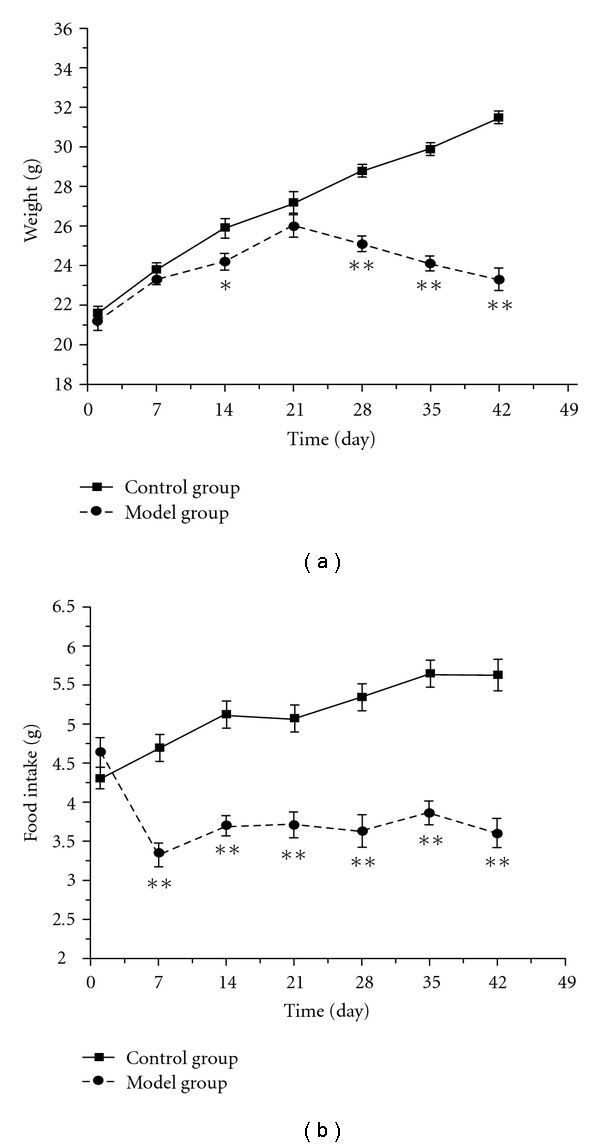
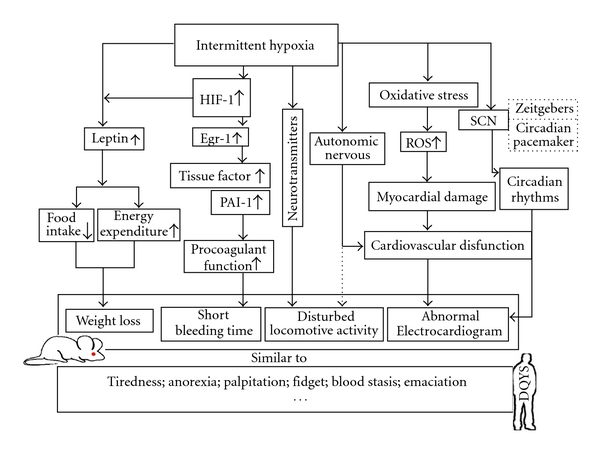
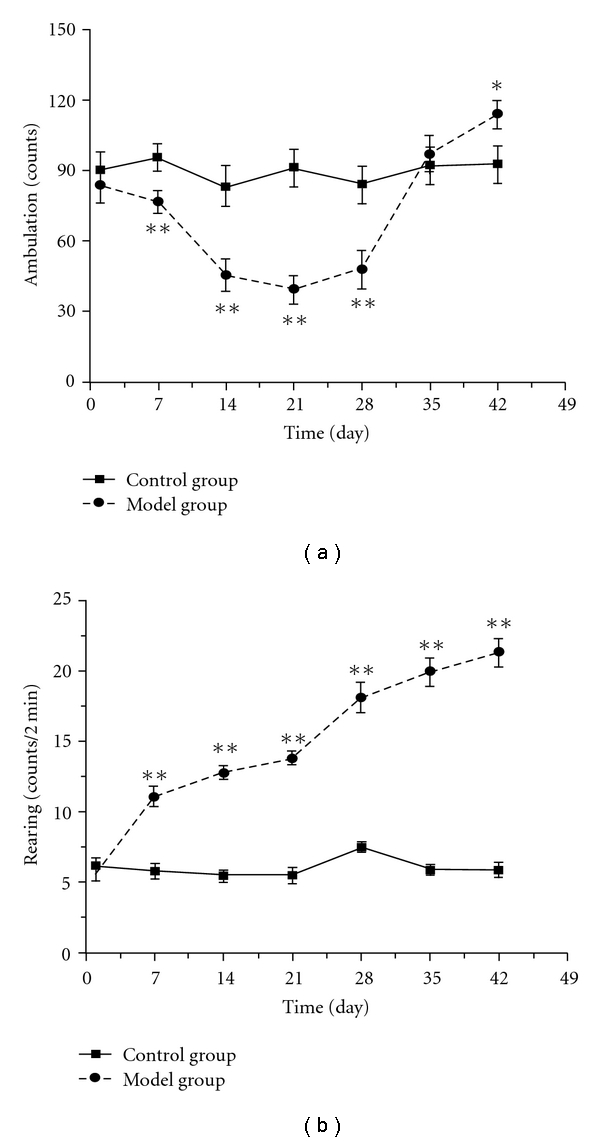
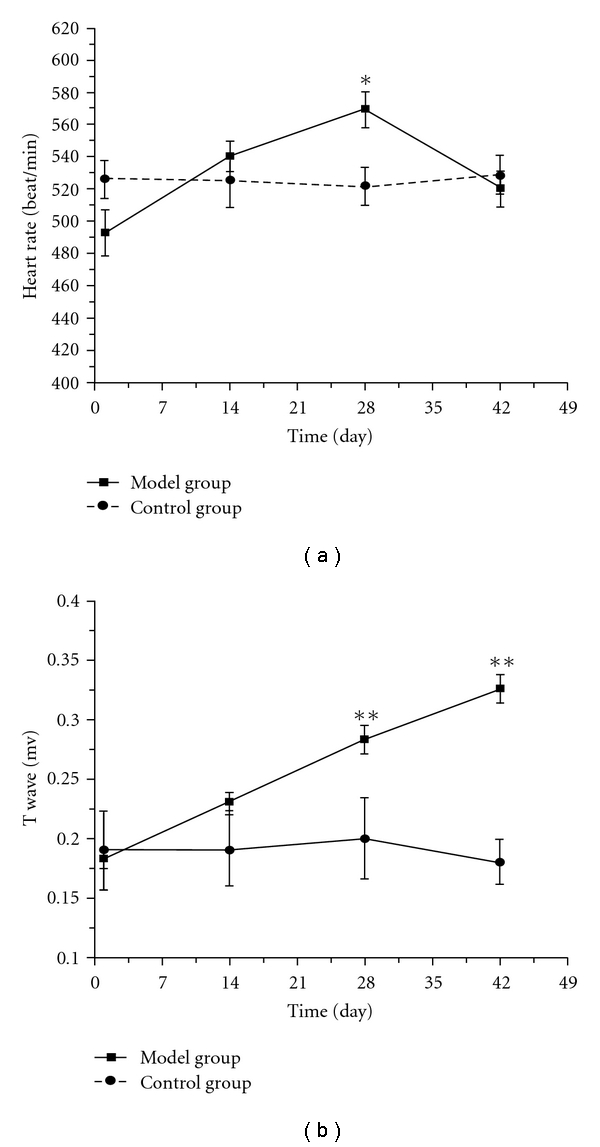
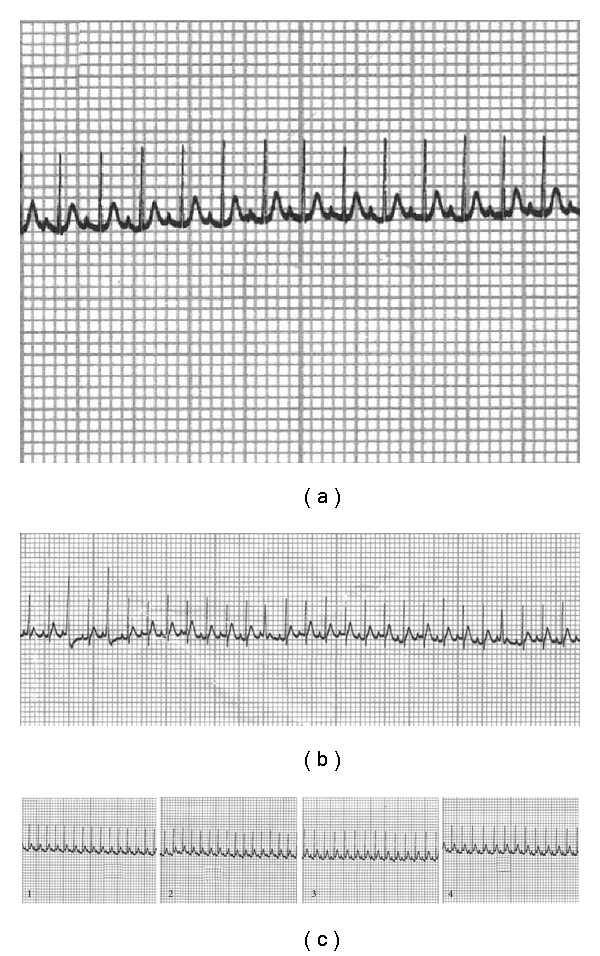
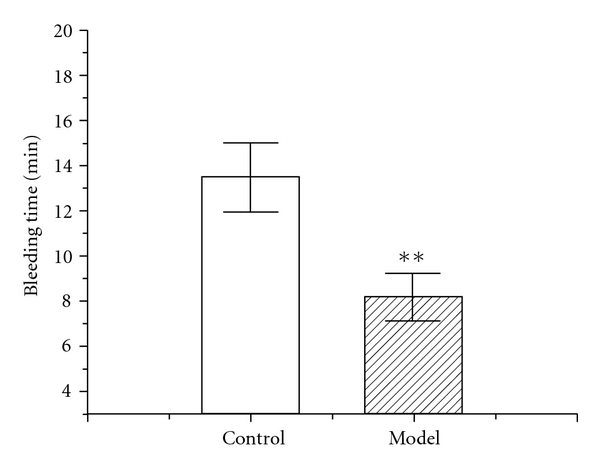
Deficiency of both Qi and Yin Syndrome (DQYS) is one of the common syndromes in traditional Chinese medicine (TCM), mainly characterized by tiredness, emaciation, anorexia, fidget, palpitation and rapid pulse, and so forth. Currently, there is no available animal model which can reflect the clinical features of this syndrome. In the present paper, we observed the time-course changes of whole behavior, body weight, food intake, locomotive activity and electrocardiogram in mice exposed to chronic intermittent hypoxia for 6 weeks, and measured bleeding time at last according to the clinical features of DQYS and one key pathological factor. The results showed that the mice exposed to intermittent hypoxia for certain time presented lackluster hair, dull looking hair, resistance, attacking, body weight loss, food intake decline, locomotive activity decrease, heart rate quickening and T wave elevating, which were similar to the major clinical features of DQYS. Meanwhile, bleeding time shortening was also found, which was consistent with the clinical fact that DQYS often accompanied with blood stasis. The possible explanation was also outlined according to the available literature. Such findings suggested chronic intermittent hypoxia could induce similar symptoms and signs in mice accorded with the clinical features of DQYS, which provided a suitable animal model for evaluation of drugs for the treatment of this syndrome and further exploration of pathological process or correlation of the syndrome and related diseases.
气阴两虚证是中医常见证候之一,主要表现为疲倦、消瘦、食欲不振、烦躁、心悸、脉数等。目前尚无能够反映该证候临床特征的动物模型。本文观察了慢性间歇性缺氧6周小鼠的整体行为、体重、进食量、运动活动及心电图的时程变化,并根据气阴两虚证的临床特征及一个关键病理因素最后测定了出血时间。结果显示,一定时间间歇性缺氧的小鼠出现毛发无光泽、眼神呆滞、抵抗力下降、攻击性增强、体重减轻、进食量减少、运动活动降低、心率加快及T波高尖等,与气阴两虚证的主要临床特征相似。同时,还发现出血时间缩短,这与气阴两虚证常伴有血瘀的临床事实相符。并根据现有文献对其可能的机制进行了概述。这些结果提示慢性间歇性缺氧可使小鼠出现与气阴两虚证临床特征相符的类似症状和体征,为评价治疗该证候的药物及进一步探讨该证候的病理过程或与相关疾病的关系提供了合适的动物模型。