Hartl W H, Jauch K W, Parhofer K, Rittler P
Dept. Surgery Grosshadern, University Hospital, Munich, Germany.
Ger Med Sci. 2009 Nov 18;7:Doc17. doi: 10.3205/000076.
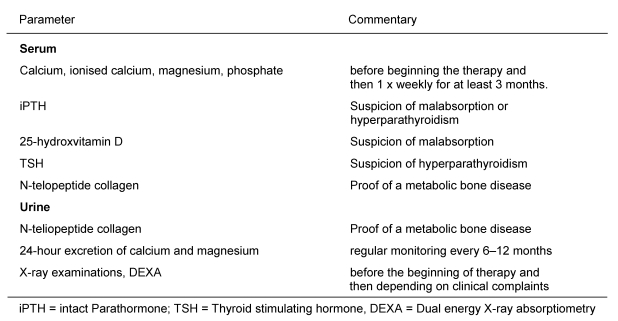
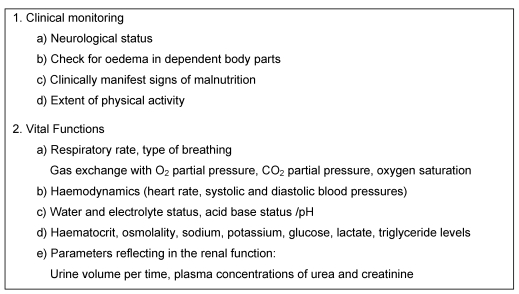
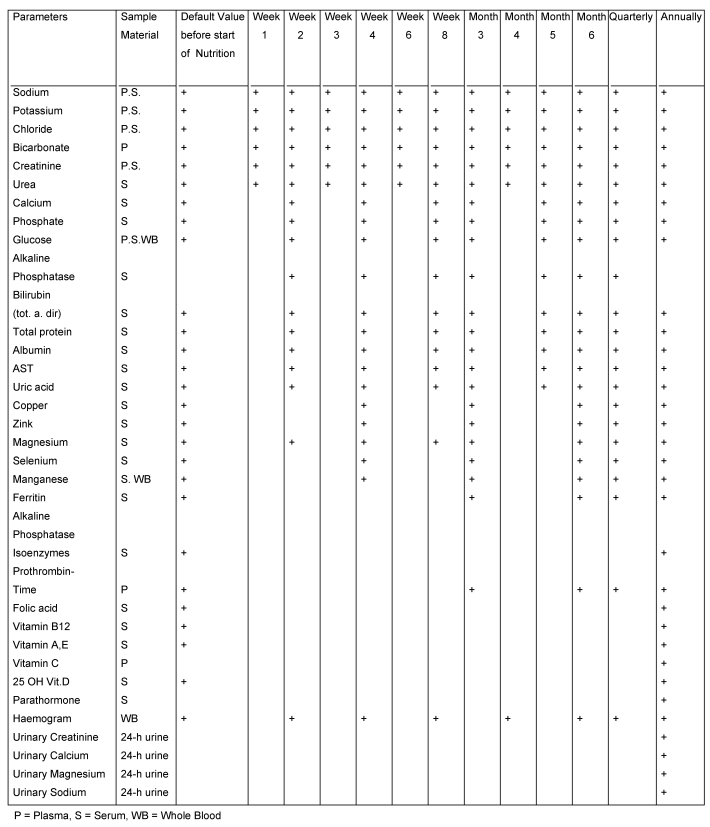
Compared to enteral or hypocaloric oral nutrition, the use of PN (parenteral nutrition) is not associated with increased mortality, overall frequency of complications, or longer length of hospital stay (LOS). The risk of PN complications (e.g. refeeding-syndrome, hyperglycaemia, bone demineralisation, catheter infections) can be minimised by carefully monitoring patients and the use of nutrition support teams particularly during long-term PN. Occuring complications are e.g. the refeeding-syndrome in patients suffering from severe malnutrition with the initiation of refeeding or metabolic, hypertriglyceridemia, hyperglycaemia, osteomalacia and osteoporosis, and hepatic complications including fatty liver, non-alcoholic fatty liver disease, cholestasis, cholecystitis, and cholelithiasis. Efficient monitoring in all types of PN can result in reduced PN-associated complications and reduced costs. Water and electrolyte balance, blood sugar, and cardiovascular function should regularly be monitored during PN. Regular checks of serum electrolytes and triglycerides as well as additional monitoring measures are necessary in patients with altered renal function, electrolyte-free substrate intake, lipid infusions, and in intensive care patients. The metabolic monitoring of patients under long-term PN should be carried out according to standardised procedures. Monitoring metabolic determinants of bone metabolism is particularly important in patients receiving long-term PN. Markers of intermediary, electrolyte and trace element metabolism require regular checks.
与肠内营养或低热量口服营养相比,肠外营养(PN)的使用与死亡率增加、总体并发症发生率或住院时间延长无关。通过仔细监测患者,特别是在长期PN期间使用营养支持团队,可以将PN并发症(如再喂养综合征、高血糖、骨质脱矿、导管感染)的风险降至最低。发生的并发症例如有,在严重营养不良患者开始再喂养时出现的再喂养综合征,或代谢性并发症,如高甘油三酯血症、高血糖、骨软化症和骨质疏松症,以及肝脏并发症,包括脂肪肝、非酒精性脂肪性肝病、胆汁淤积、胆囊炎和胆石症。对所有类型的PN进行有效监测可减少与PN相关的并发症并降低成本。在PN期间应定期监测水和电解质平衡、血糖及心血管功能。对于肾功能改变、无电解质底物摄入、脂质输注的患者以及重症监护患者,有必要定期检查血清电解质和甘油三酯以及采取额外的监测措施。长期PN患者的代谢监测应按照标准化程序进行。在接受长期PN的患者中,监测骨代谢的代谢决定因素尤为重要。中间代谢、电解质和微量元素代谢的标志物需要定期检查。