Department of Medicine and Therapeutics, Chinese University of Hong Kong, Hong Kong, China.
PLoS One. 2010 Jan 19;5(1):e8775. doi: 10.1371/journal.pone.0008775.
To date, few studies address disparities in older populations specifically using frailty as one of the health outcomes and examining the relative contributions of individual and environmental factors to health outcomes.
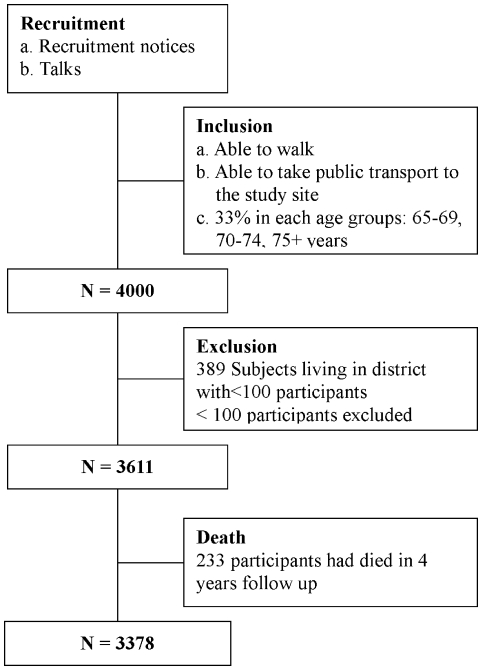
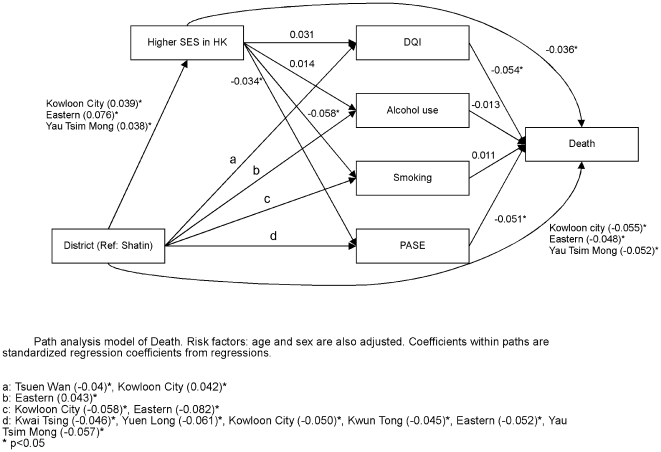
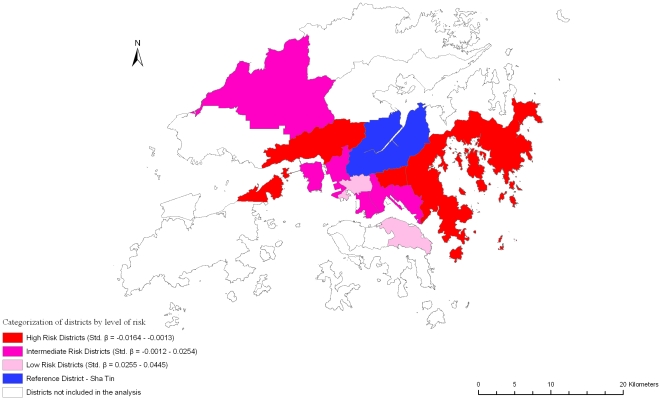
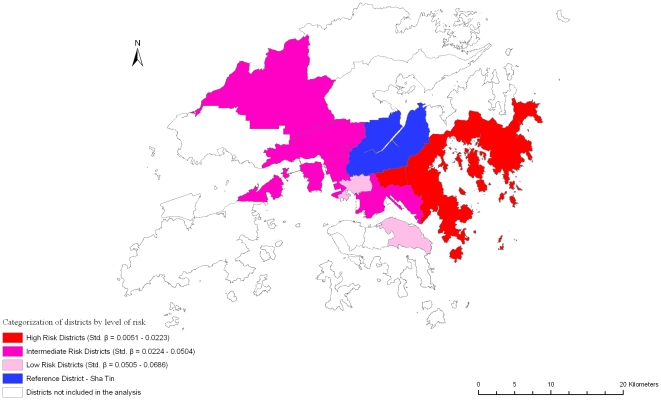
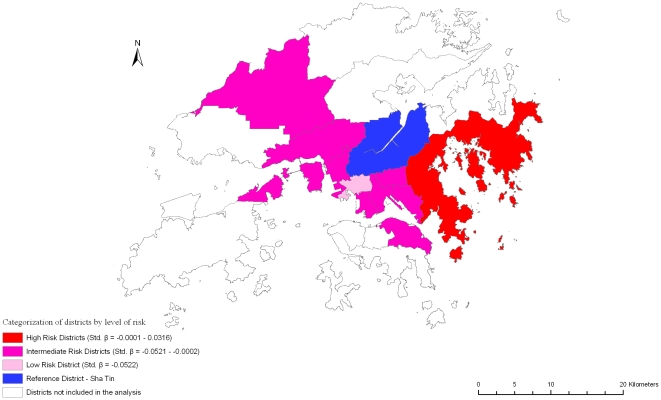
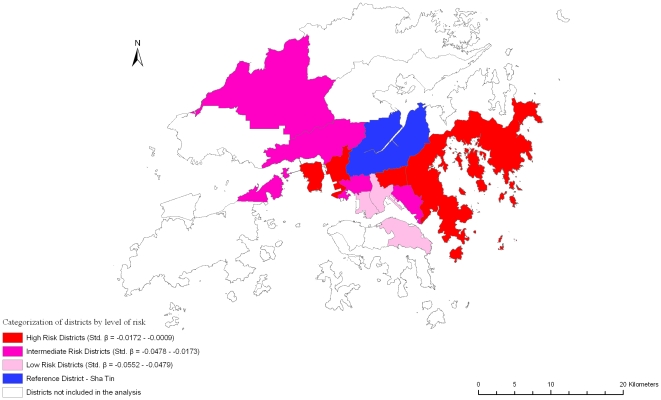
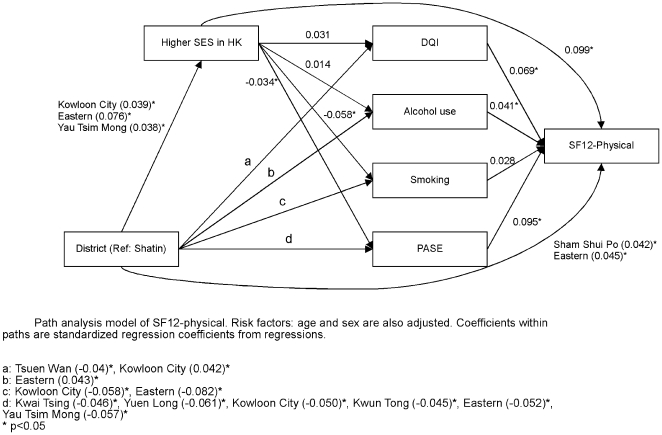
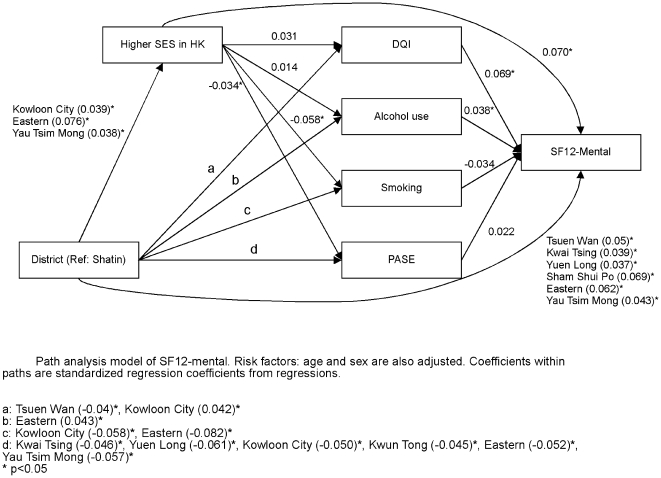
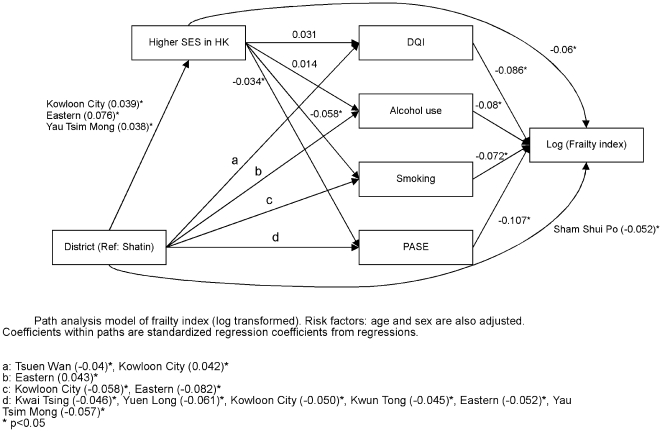
METHODOLOGY/PRINCIPAL FINDINGS: Using a data set from a health survey of 4,000 people aged 65 years and over living in all regions of Hong Kong, we examined regional variations in self-rated health, frailty, and four-year mortality, and analyzed the relative contributions of lifestyle, socioeconomic status, and geographical location of residence to these outcomes using path analysis. We hypothesize that lifestyle, socioeconomic status, and regional characteristics directly and indirectly through interactions contribute to self-rated physical and psychological health, frailty, and four-year mortality. District variations directly affect self-rated physical health, and also exert an effect through socioeconomic position as well as lifestyle factors. Socioeconomic position in turn directly affects self-rated physical health, as well as indirectly through lifestyle factors. A similar pattern of interaction is observed for self-rated mental health, frailty, and mortality, although there are differences in different lifestyle factors and district associations. Lifestyle factors also directly affect physical and mental components of health, frailty, and mortality. The magnitude of direct district effect is comparable to those of lifestyle and socioeconomic position.
CONCLUSIONS/SIGNIFICANCE: We conclude that district variations in health outcomes exist in the Hong Kong elderly population, and these variations result directly from district factors, and are also indirectly mediated through socioeconomic position as well as lifestyle. Provision and accessibility to health services are unlikely to play a significant role. Future studies on these district factors would be important in reducing health disparities in the older population.
迄今为止,很少有研究专门使用衰弱作为健康结果之一来研究老年人中的差异,并检查个体和环境因素对健康结果的相对贡献。
方法/主要发现:我们使用来自香港所有地区 4000 名 65 岁及以上人群健康调查的数据,研究了自我评估健康、衰弱和四年死亡率的区域差异,并使用路径分析分析了生活方式、社会经济地位和居住地理位置对这些结果的相对贡献。我们假设生活方式、社会经济地位和区域特征通过相互作用直接和间接地影响自我评估的身体和心理健康、衰弱和四年死亡率。区域差异直接影响自我评估的身体健康,也通过社会经济地位和生活方式因素产生影响。社会经济地位反过来直接影响自我评估的身体健康,也通过生活方式因素间接影响。自我评估的心理健康、衰弱和死亡率也存在类似的相互作用模式,尽管在不同的生活方式因素和区域关联方面存在差异。生活方式因素也直接影响身体健康和心理健康、衰弱和死亡率的各个方面。直接区域效应的幅度与生活方式和社会经济地位的效应相当。
结论/意义:我们的结论是,香港老年人群体中存在健康结果的区域差异,这些差异直接来自于区域因素,也通过社会经济地位和生活方式间接产生。提供和获得卫生服务不太可能在其中发挥重要作用。未来对这些区域因素的研究对于减少老年人群体中的健康差异至关重要。