Division of Chemistry and Chemical Engineering, California Institute of Technology, Pasadena, CA 91125, USA.
Dalton Trans. 2010 Feb 7;39(5):1159-70. doi: 10.1039/b922209j. Epub 2009 Dec 23.
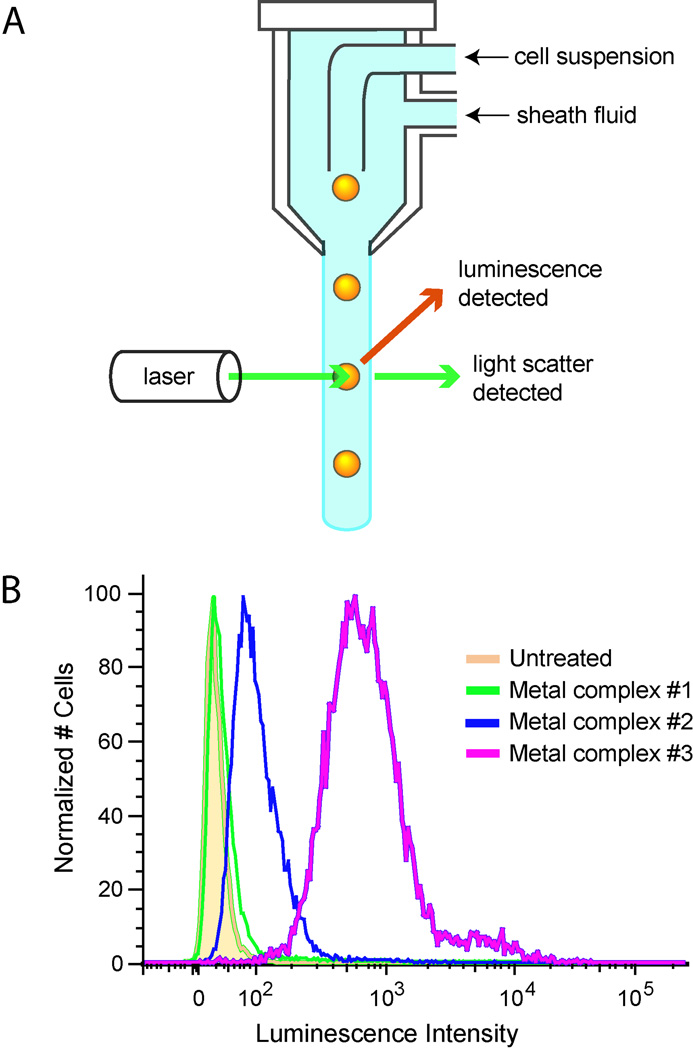
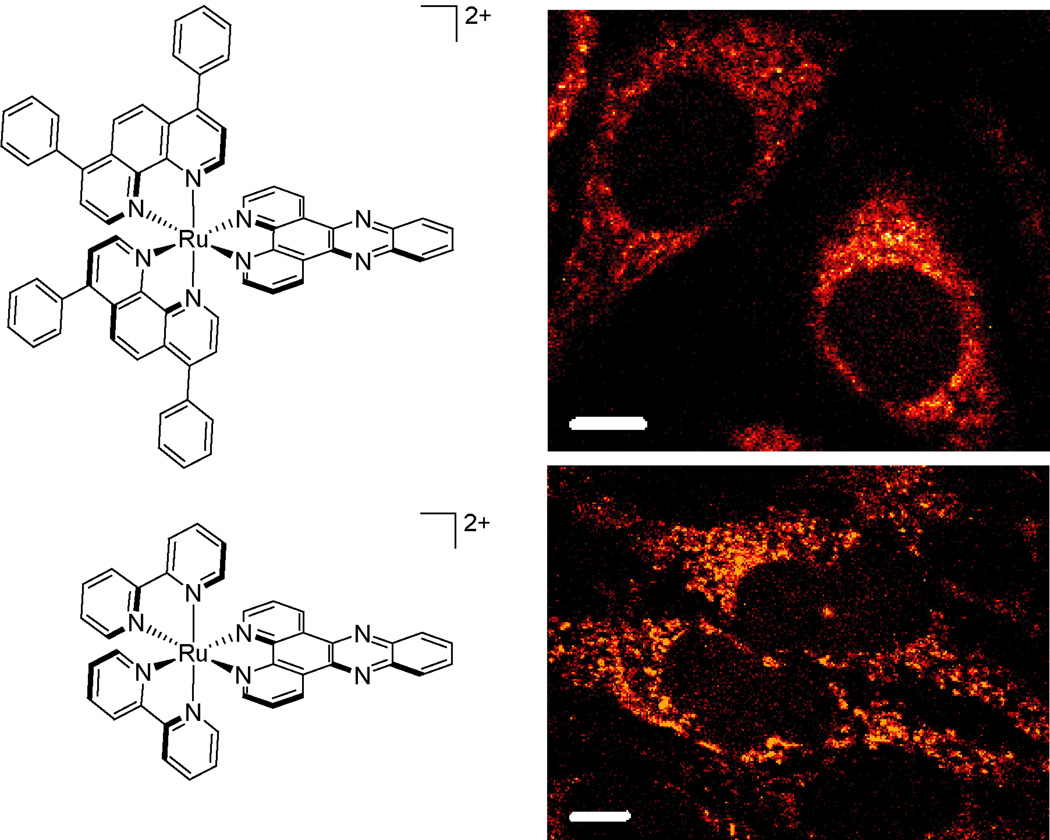
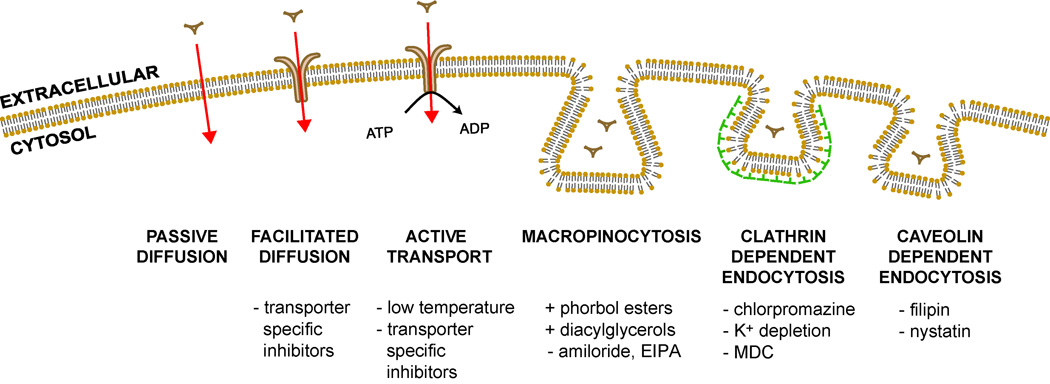
Transition metal complexes offer great potential as diagnostic and therapeutic agents, and a growing number of biological applications have been explored. To be effective, these complexes must reach their intended target inside the cell. Here we review the cellular accumulation of metal complexes, including their uptake, localization, and efflux. Metal complexes are taken up inside cells through various mechanisms, including passive diffusion and entry through organic and metal transporters. Emphasis is placed on the methods used to examine cellular accumulation, to identify the mechanism(s) of uptake, and to monitor possible efflux. Conjugation strategies that have been employed to improve the cellular uptake characteristics of metal complexes are also described.
过渡金属配合物作为诊断和治疗试剂具有巨大的潜力,越来越多的生物应用已经得到了探索。为了有效,这些配合物必须到达细胞内的预期靶点。在这里,我们回顾了金属配合物的细胞积累,包括它们的摄取、定位和外排。金属配合物通过多种机制被细胞摄取,包括被动扩散和通过有机和金属转运体进入。重点介绍了用于检查细胞积累、确定摄取机制以及监测可能的外排的方法。还描述了为了提高金属配合物的细胞摄取特性而采用的偶联策略。