Department of Pathology, University of California, San Francisco, 94143, USA.
Cancer Cell. 2010 Feb 17;17(2):121-34. doi: 10.1016/j.ccr.2009.12.019. Epub 2010 Feb 4.
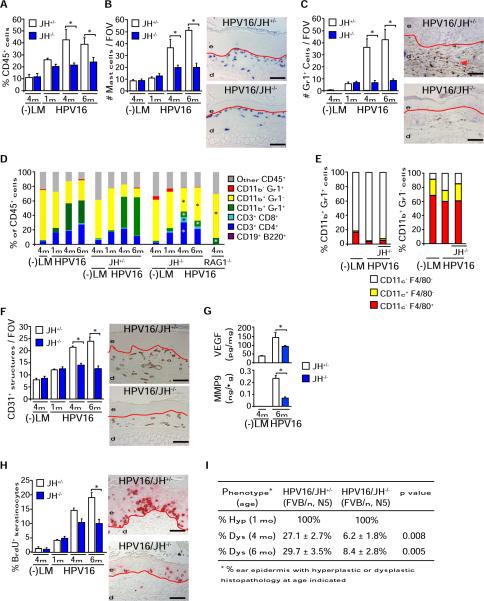
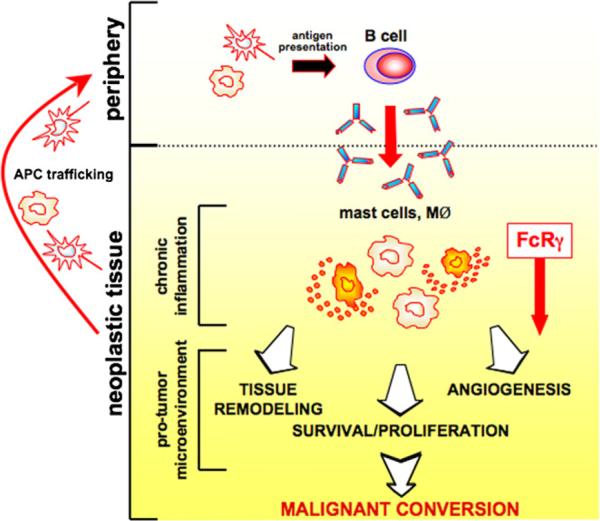
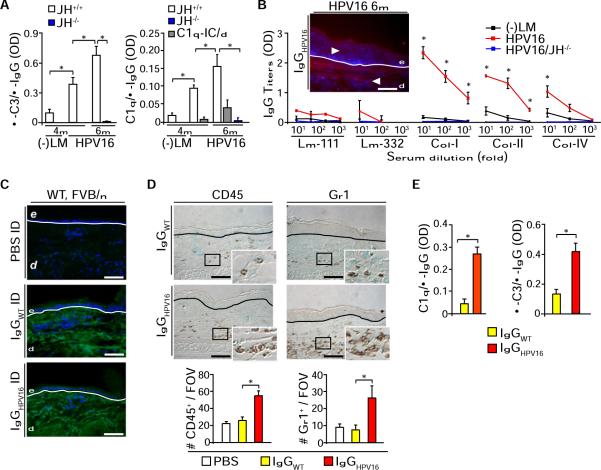
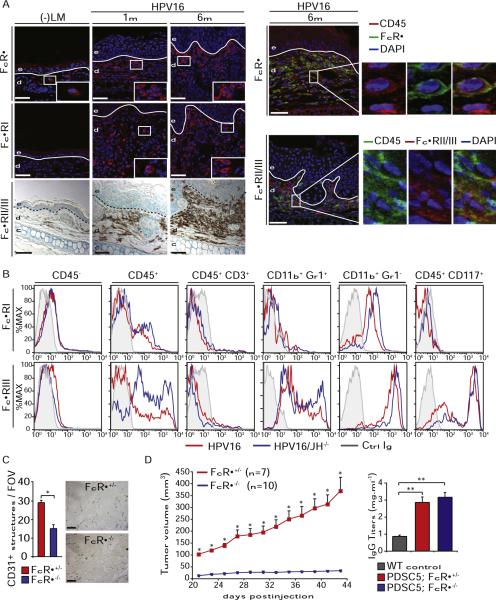
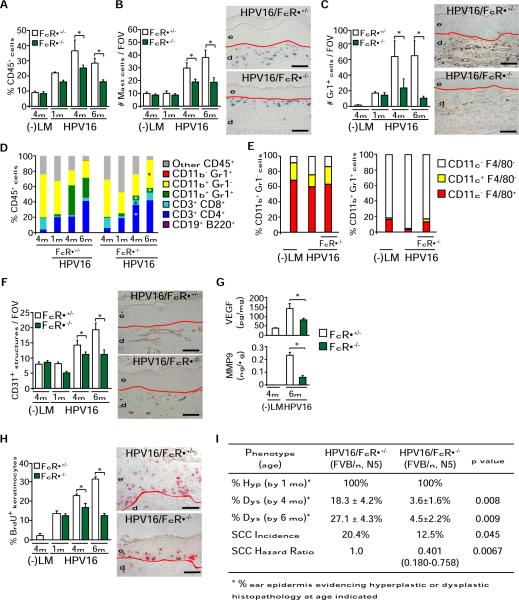
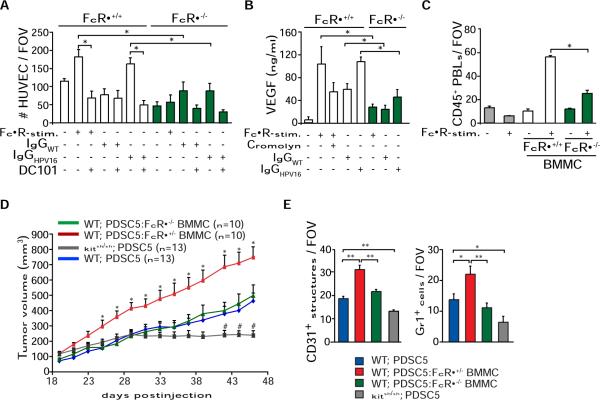
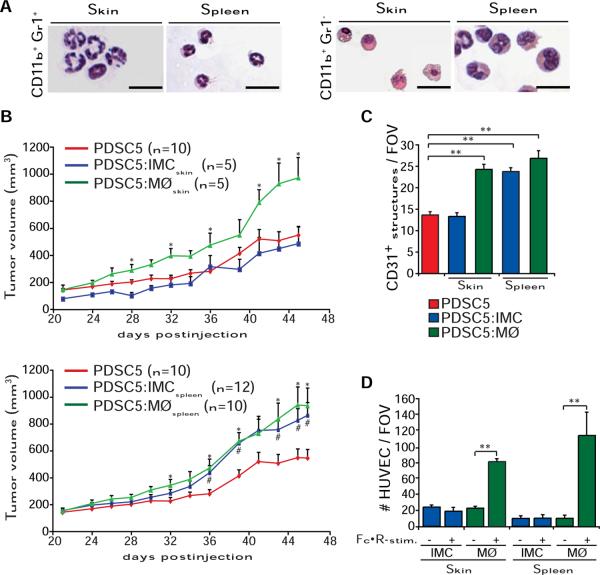
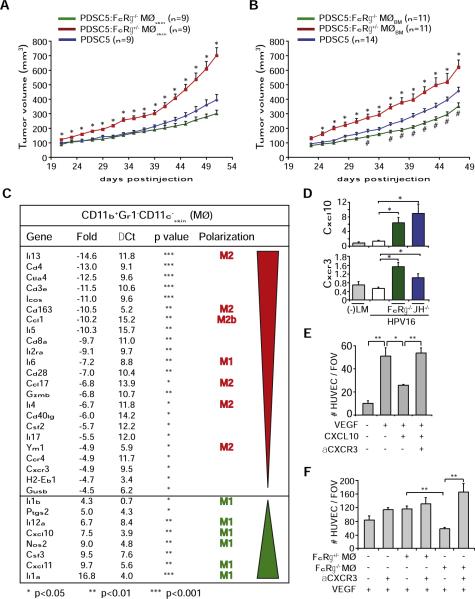
Chronically activated leukocytes recruited to premalignant tissues functionally contribute to cancer development; however, mechanisms underlying pro- versus anti-tumor programming of neoplastic tissues by immune cells remain obscure. Using the K14-HPV16 mouse model of squamous carcinogenesis, we report that B cells and humoral immunity foster cancer development by activating Fcgamma receptors (FcgammaRs) on resident and recruited myeloid cells. Stromal accumulation of autoantibodies in premalignant skin, through their interaction with activating FcgammaRs, regulate recruitment, composition, and bioeffector functions of leukocytes in neoplastic tissue, which in turn promote neoplastic progression and subsequent carcinoma development. These findings support a model in which B cells, humoral immunity, and activating FcgammaRs are required for establishing chronic inflammatory programs that promote de novo carcinogenesis.
慢性激活的白细胞募集到癌前组织中,在功能上有助于癌症的发展;然而,免疫细胞对肿瘤组织的促肿瘤与抗肿瘤编程的机制仍不清楚。我们使用 K14-HPV16 小鼠鳞状细胞癌发生模型报告称,B 细胞和体液免疫通过激活驻留和募集的髓样细胞上的 Fcγ 受体 (FcγR) 促进癌症发展。自身抗体在癌前皮肤中的基质积累,通过与激活的 FcγR 相互作用,调节肿瘤组织中白细胞的募集、组成和生物效应功能,进而促进肿瘤的进展和随后的癌发生。这些发现支持这样一种模式,即 B 细胞、体液免疫和激活的 FcγR 是建立促进新发癌发生的慢性炎症程序所必需的。