Hospital Universitário Clementino Fraga Filho, Universidade Federal do Rio de Janeiro, Rio de Janeiro, Brazil.
PLoS One. 2010 Feb 8;5(2):e9093. doi: 10.1371/journal.pone.0009093.
Migration, proliferation, and differentiation of hematopoietic stem cells (HSCs) are dependent upon a complex three-dimensional (3D) bone marrow microenvironment. Although osteoblasts control the HSC pool, the subendosteal niche is complex and its cellular composition and the role of each cell population in HSC fate have not been established. In vivo models are complex and involve subtle species-specific differences, while bidimensional cultures do not reflect the 3D tissue organization. The aim of this study was to investigate in vitro the role of human bone marrow-derived mesenchymal stromal cells (BMSC) and active osteoblasts in control of migration, lodgment, and proliferation of HSCs.
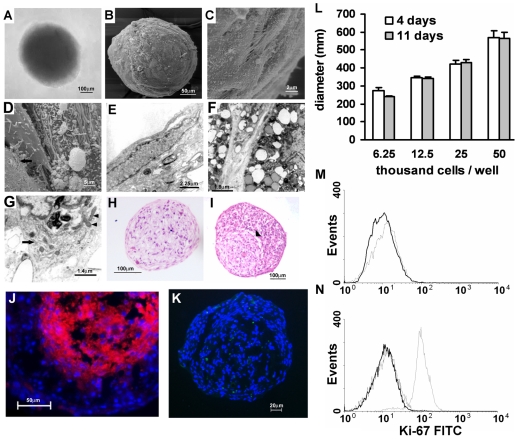
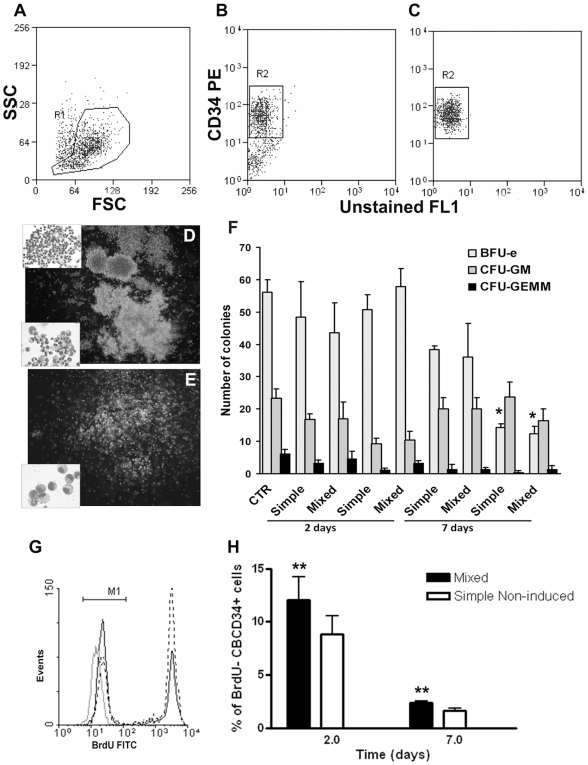
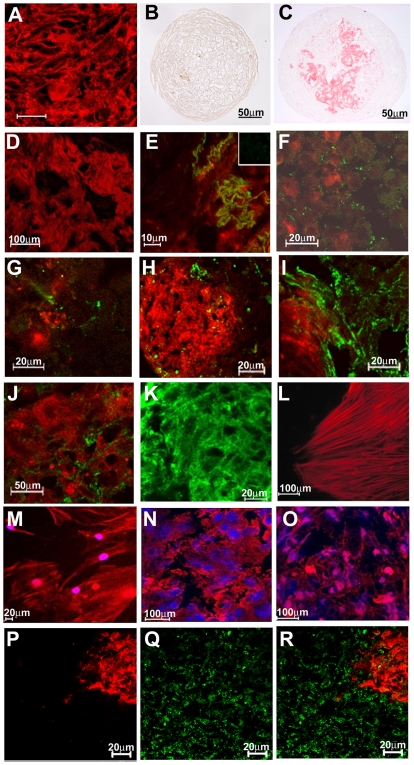
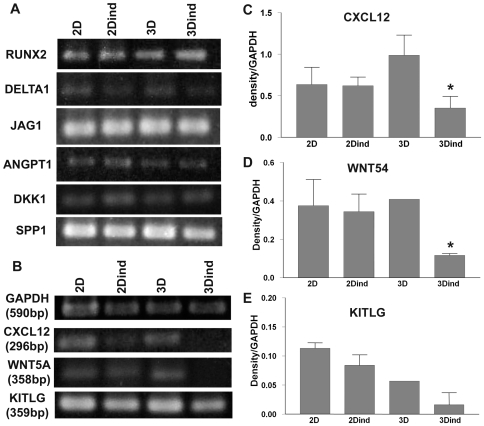
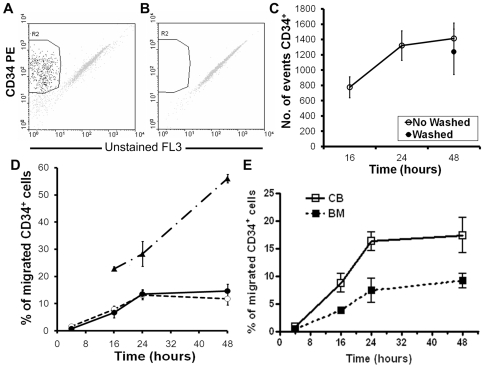
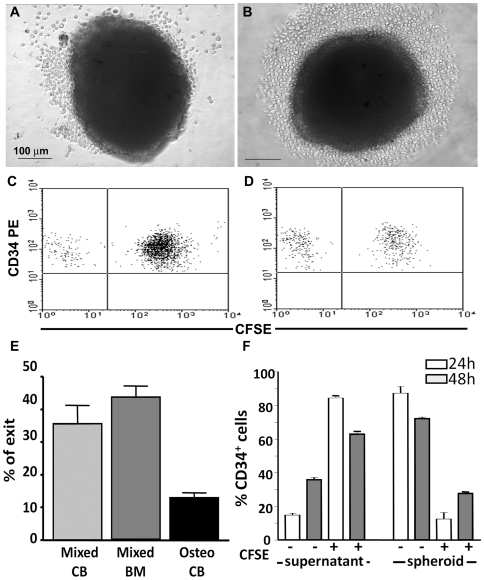
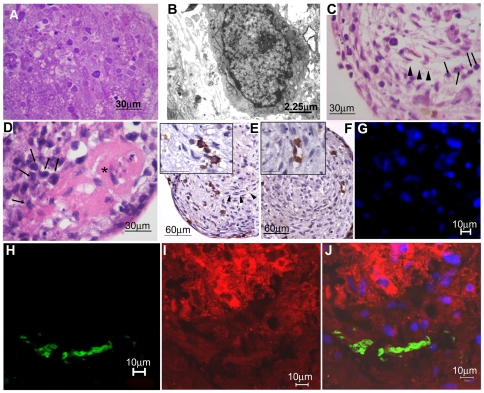
METHODOLOGY/PRINCIPAL FINDINGS: A complex mixed multicellular spheroid in vitro model was developed with human BMSC, undifferentiated or induced for one week into osteoblasts. A clear limit between the two stromal cells was established, and deposition of extracellular matrix proteins fibronectin, collagens I and IV, laminin, and osteopontin was similar to the observed in vivo. Noninduced BMSC cultured as spheroid expressed higher levels of mRNA for the chemokine CXCL12, and the growth factors Wnt5a and Kit ligand. Cord blood and bone marrow CD34(+) cells moved in and out the spheroids, and some lodged at the interface of the two stromal cells. Myeloid colony-forming cells were maintained after seven days of coculture with mixed spheroids, and the frequency of cycling CD34(+) cells was decreased.
CONCLUSIONS/SIGNIFICANCE: Undifferentiated and one-week osteo-induced BMSC self-assembled in a 3D spheroid and formed a microenvironment that is informative for hematopoietic progenitor cells, allowing their lodgment and controlling their proliferation.
造血干细胞(HSCs)的迁移、增殖和分化依赖于复杂的三维(3D)骨髓微环境。尽管成骨细胞控制着 HSC 池,但骨内膜下龛位非常复杂,其细胞组成以及每个细胞群体在 HSC 命运中的作用尚未确定。体内模型较为复杂,涉及微妙的种间差异,而二维培养则无法反映 3D 组织组织。本研究旨在体外研究人骨髓间充质基质细胞(BMSC)和成骨细胞在控制 HSCs 迁移、附着和增殖中的作用。
方法/主要发现:建立了一个复杂的混合多细胞球体体外模型,其中包含人 BMSC,未分化或诱导分化成成骨细胞一周。两种基质细胞之间建立了明确的界限,细胞外基质蛋白纤维连接蛋白、I 型和 IV 型胶原、层粘连蛋白和骨桥蛋白的沉积与体内观察到的相似。作为球体培养的未诱导 BMSC 表达更高水平的趋化因子 CXCL12、Wnt5a 和 Kit 配体的 mRNA。脐血和骨髓 CD34+细胞在球体中进出,并在两种基质细胞的界面处附着。在与混合球体共培养七天后,髓系集落形成细胞得以维持,且循环 CD34+细胞的频率降低。
结论/意义:未分化和成骨细胞诱导分化一周的 BMSC 可在 3D 球体中自组装,并形成对造血祖细胞具有信息作用的微环境,允许其附着并控制其增殖。