Cunha Flavio, Heckman James J
Department of Economics, University of Pennsylvania, 527 McNeil, 3718 Locust Walk, Philadelphia, PA 19104-6297, .
J Eur Econ Assoc. 2009;7(2):320-364. doi: 10.1162/jeea.2009.7.2-3.320.
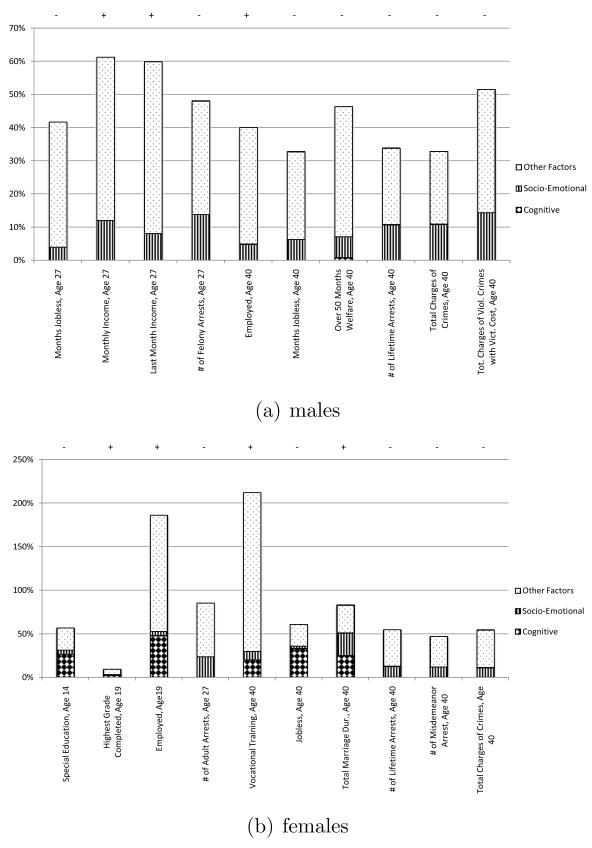
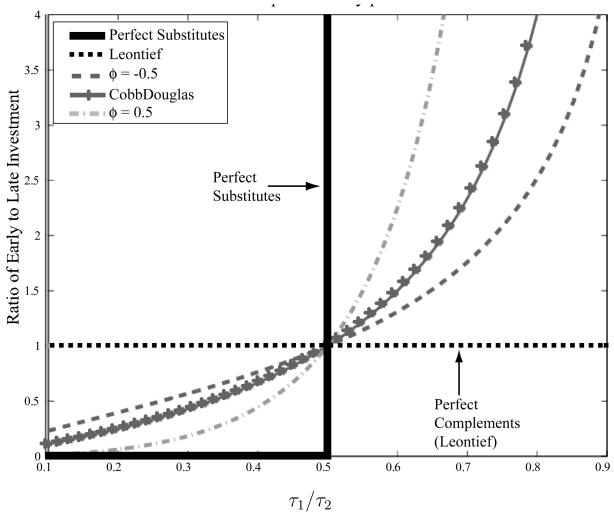
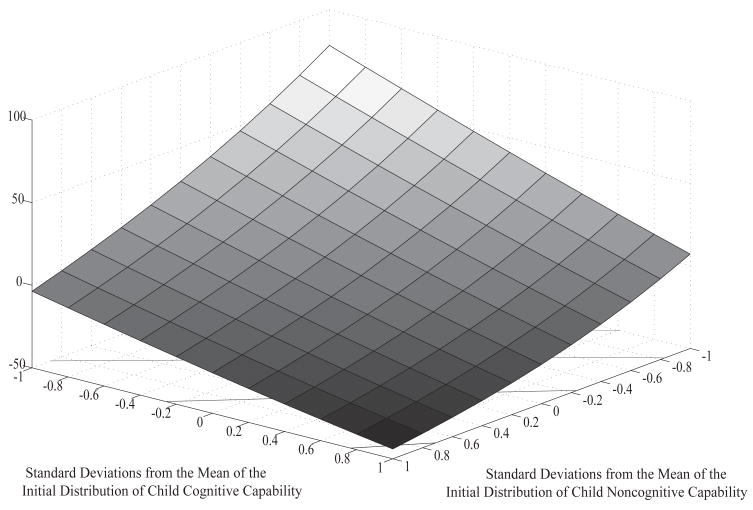
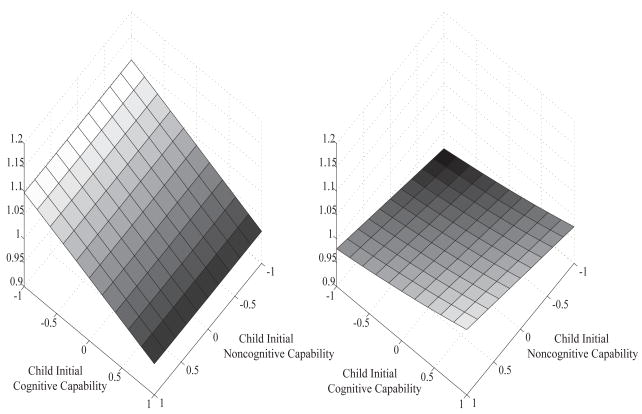
Recent research on the economics of human development deepens understanding of the origins of inequality and excellence. It draws on and contributes to personality psychology and the psychology of human development. Inequalities in family environments and investments in children are substantial. They causally affect the development of capabilities. Both cognitive and noncognitive capabilities determine success in life but to varying degrees for different outcomes. An empirically determined technology of capability formation reveals that capabilities are self-productive and cross-fertilizing and can be enhanced by investment. Investments in capabilities are relatively more productive at some stages of a child's life cycle than others. Optimal child investment strategies differ depending on target outcomes of interest and on the nature of adversity in a child's early years. For some configurations of early disadvantage and for some desired outcomes, it is efficient to invest relatively more in the later years of childhood than in the early years.
近期关于人类发展经济学的研究加深了对不平等和卓越起源的理解。它借鉴了人格心理学和人类发展心理学的研究成果,并为之做出贡献。家庭环境和对儿童投资的不平等现象十分显著。它们对能力发展产生因果影响。认知能力和非认知能力都决定着人生的成功,但对不同结果的影响程度各异。一项基于实证确定的能力形成技术表明,能力具有自我提升和相互促进的作用,并且可以通过投资得到增强。在儿童生命周期的某些阶段,对能力的投资相对更具成效。最优的儿童投资策略因目标结果以及儿童早年逆境的性质而异。对于某些早期劣势情况和某些期望的结果而言,相较于早年,在童年后期进行相对更多的投资是高效的。