Rosen H, Polakiewicz R D, Benzakine S, Bar-Shavit Z
Department of Molecular Virology, Hebrew University-Hadassah Medical School, Jerusalem, Israel.
Proc Natl Acad Sci U S A. 1991 May 1;88(9):3705-9. doi: 10.1073/pnas.88.9.3705.
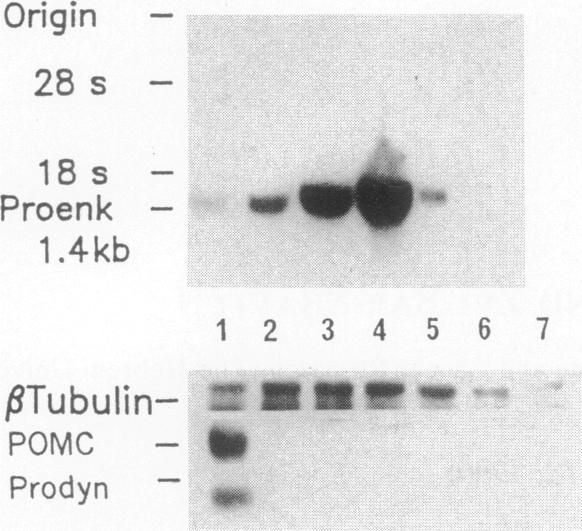
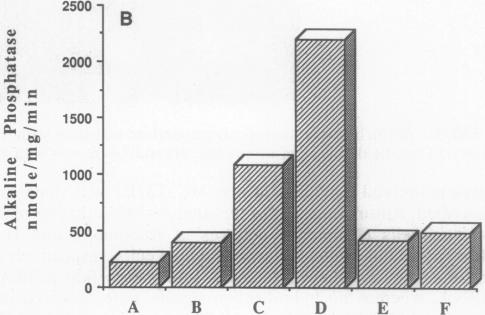
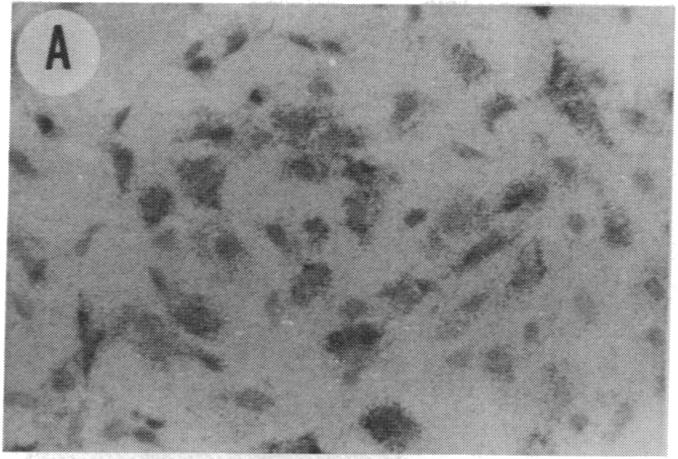
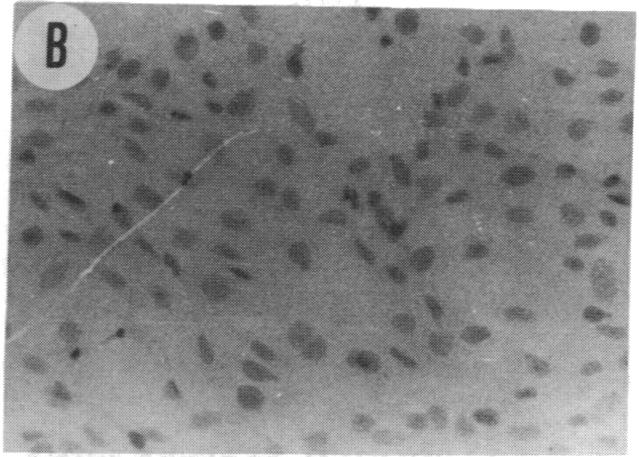
Enkephalins, a group of small peptides with opiate-like activity, have been defined originally as neuropeptides. Recent reports showed, using in situ hybridization, that the enkephalin-encoding gene, proenkephalin A (pEnkA), is expressed in nondifferentiated cells of diverse mesodermal lineages. The transient expression of pEnkA in these tissues during organogenesis suggests that this gene is involved in processes such as differentiation and/or cell proliferation. In situ hybridization revealed that bone and cartilage are among the tissues that express pEnkA most actively during organogenesis. Here we show that pEnkA mRNA is abundant in normal calvaria-derived cells and in osteosarcoma-derived cell lines ROS 17/2.8 and ROS 25/1. In addition, pEnkA-derived peptides are synthesized and secreted by these cells, as revealed by specific RIA. pEnkA expression in ROS cells is decreased by osteogenin, an osteoinductive factor, and by the calcium-regulating hormone, 1,25-dihydroxyvitamin D3, whereas the osteoblastic phenotype marker, alkaline phosphatase, is increased by these factors. These results together with the inhibitory effects of pEnkA-derived peptides on alkaline phosphatase activity in ROS 17/2.8 cells suggest that pEnkA is involved in bone development and provide a model system for further analysis of pEnkA expression during this process.
脑啡肽是一类具有阿片样活性的小肽,最初被定义为神经肽。最近的报告显示,通过原位杂交技术发现,编码脑啡肽的基因——前脑啡肽A(pEnkA),在多种中胚层谱系的未分化细胞中表达。在器官发生过程中,这些组织中pEnkA的短暂表达表明该基因参与了分化和/或细胞增殖等过程。原位杂交显示,在器官发生过程中,骨和软骨是最活跃表达pEnkA的组织之一。在此我们表明,pEnkA mRNA在正常颅骨来源的细胞以及骨肉瘤来源的细胞系ROS 17/2.8和ROS 25/1中大量存在。此外,特异性放射免疫分析显示,这些细胞能合成并分泌pEnkA衍生的肽。在ROS细胞中,成骨素(一种骨诱导因子)和钙调节激素1,25 - 二羟维生素D3可降低pEnkA的表达,而这些因子可增加成骨细胞表型标志物碱性磷酸酶的表达。这些结果,连同pEnkA衍生的肽对ROS 17/2.8细胞中碱性磷酸酶活性的抑制作用,表明pEnkA参与骨发育,并为进一步分析该过程中pEnkA的表达提供了一个模型系统。