Dr. D.Y.Patil University, Pimpri, Pune-411018, India.
Mini Rev Med Chem. 2010 May;10(5):372-87. doi: 10.2174/138955710791330891.
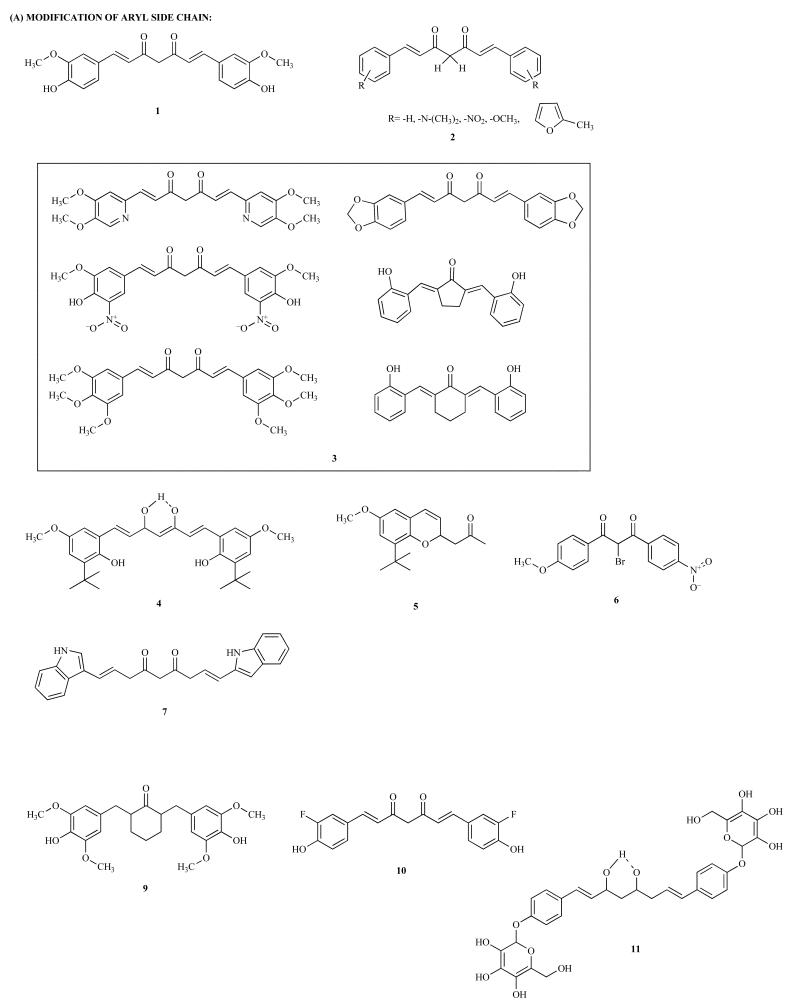
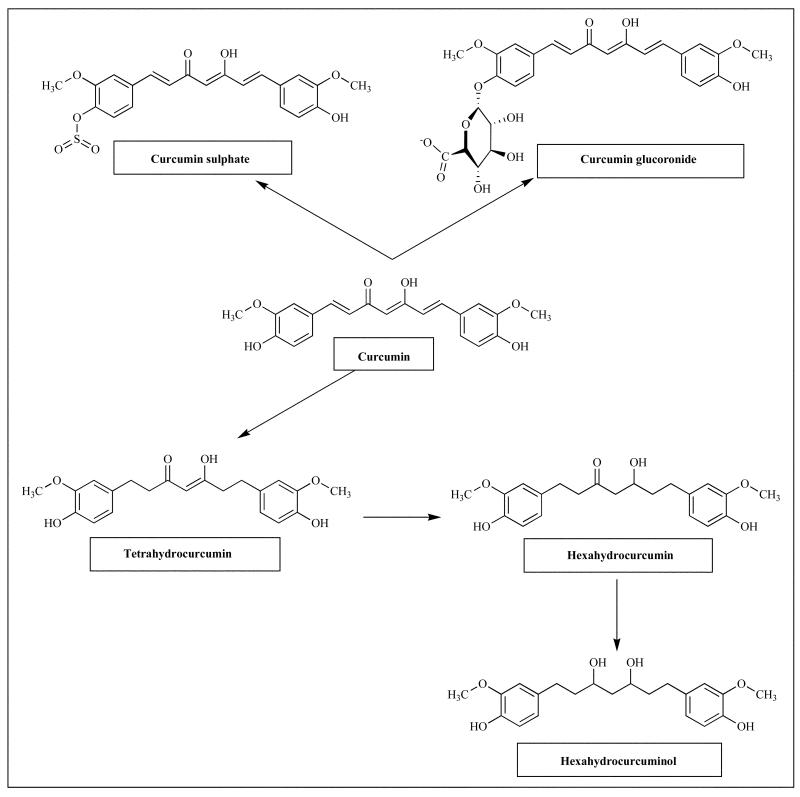
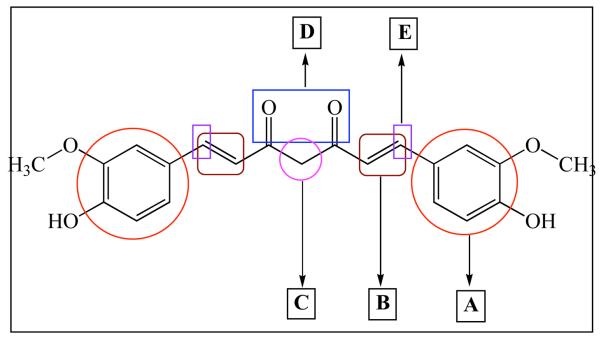
Curcumin is a natural polyphenol derived from the plant Curcuma longa, commonly called turmeric. Extensive research over past 50 years has indicated that this polyphenol is highly pleiotropic molecule capable of preventing and treating various cancers. The anticancer potential of Curcumin is severely affected by its limited systemic and target tissue bioavailability and rapid metabolism. In the present review article, we provide a summarized account of different drug delivery systems employed for tackling the problem of cucumin's bioavailability such as liposomes, phospholipid complexes and nanoparticles. Concomitantly we have reviewed the large volume of literature reports describing structural modifications of Curcumin and the anticancer potential of its analogs. Some of the difluorocurcumin analogs allowing longer circulation times and preferential accumulation in the pancreas seem to offer promising leads for conducting first in-depth animal studies and subsequently clinical trials for the use of these analogs for prevention of tumor progression and/or treatments of human malignancies.
姜黄素是一种天然多酚类物质,来源于植物姜黄,通常被称为 turmeric。过去 50 多年的广泛研究表明,这种多酚是一种高度多功能的分子,能够预防和治疗各种癌症。姜黄素的抗癌潜力受到其有限的全身和靶组织生物利用度和快速代谢的严重影响。在本文综述中,我们提供了一个总结,介绍了用于解决姜黄素生物利用度问题的不同药物传递系统,如脂质体、磷脂复合物和纳米粒子。同时,我们还回顾了大量描述姜黄素结构修饰及其类似物抗癌潜力的文献报告。一些二氟姜黄素类似物允许更长的循环时间,并优先在胰腺中积累,这似乎为进行深入的动物研究提供了有希望的线索,并随后进行临床试验,以使用这些类似物预防肿瘤进展和/或治疗人类恶性肿瘤。