Department of Horticulture and Crop Science, Faculty of Agriculture, University of Jordan, Amman, Jordan.
Virol J. 2010 Apr 29;7:84. doi: 10.1186/1743-422X-7-84.
Tomato yellow leaf curl virus (TYLCV) is a member of the family Geminiviridae, genus Begomovirus. To test the infectivity of TYLCV in tomato plants, an improved protocol for inoculation of in vitro-cultured tomato plants was developed.
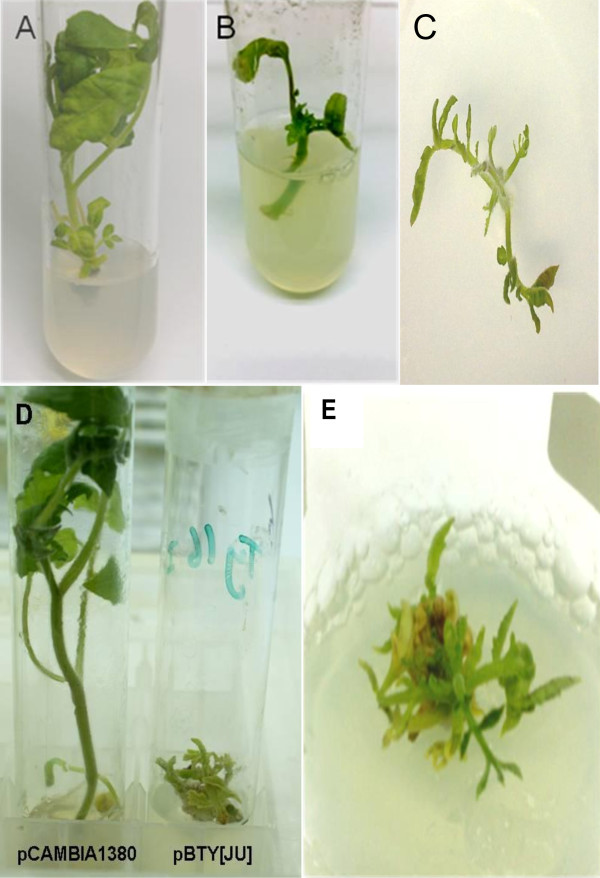
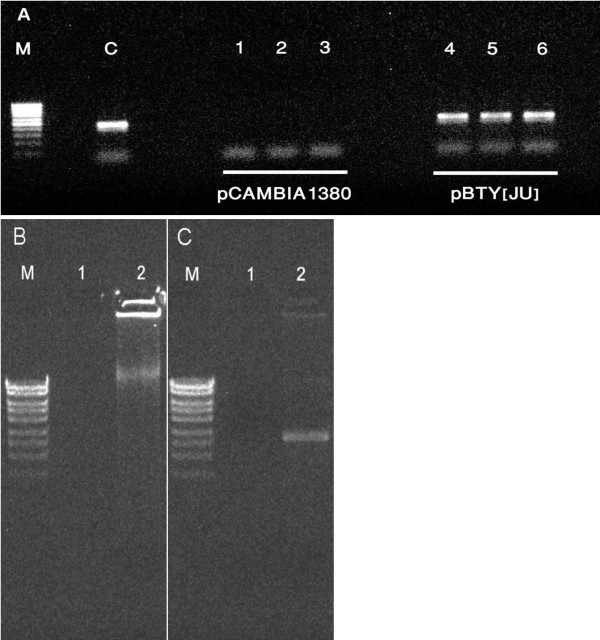
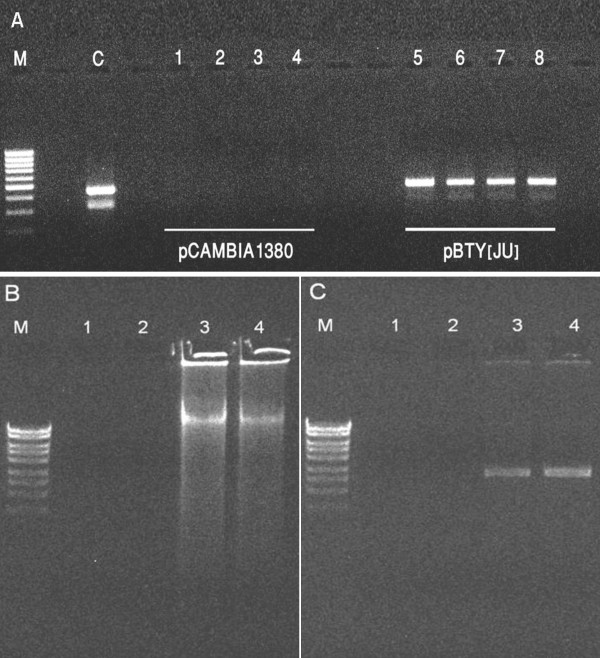
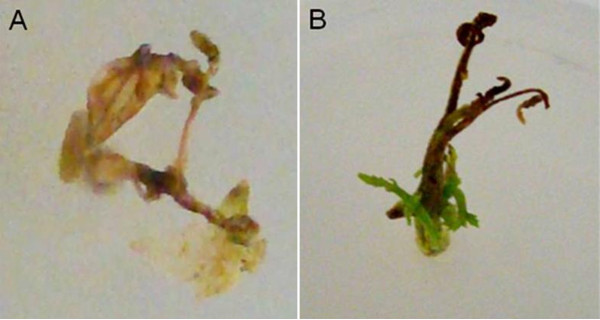
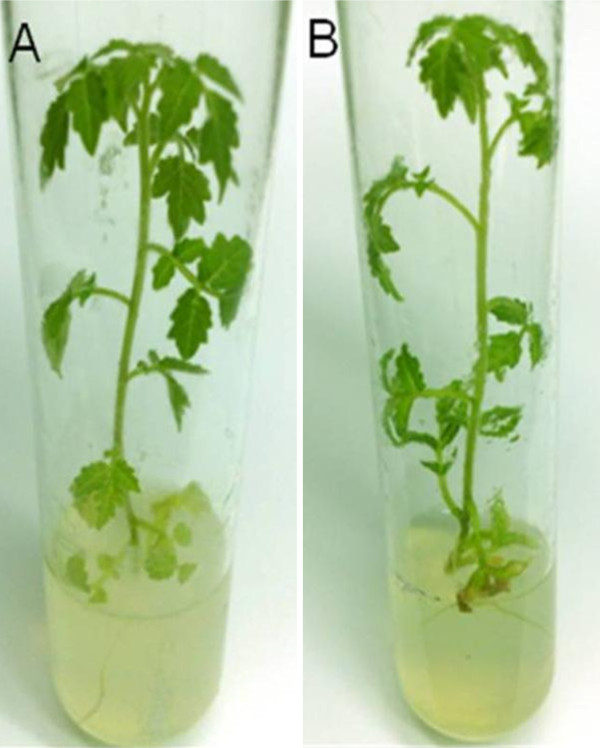
A TYLCV isolate was cloned, sequenced and used to construct a 1.8-mer infectious clone. Three weeks old microshoots of TYLCV-susceptible tomato plants were inoculated with Agrobacterium tumefaciens harboring the infectious clone for the TYLCV isolate. After two weeks, the TYLCV symptoms started to appear on the in vitro-inoculated plants and the symptoms became more severe and pronounced eight weeks post-inoculation. The method was used efficiently to uncover the resistance mechanism against TYLCV in Solanum habrochaites accession LA 1777, a wild tomato known for its high resistance to whitefly and TYLCV.
The reported in vitro-inoculation method can be used to screen tomato genotypes for their responses to TYLCV under controlled conditions and it will be a useful tool for better understanding of the TYLCV biology in tomato plants.
番茄黄曲叶病毒(TYLCV)是双生病毒科、菜豆金色花叶病毒属的成员。为了测试番茄植株中 TYLCV 的感染性,开发了一种改良的体外培养番茄接种方案。
克隆、测序并构建了一个 1.8-mer 传染性克隆的 TYLCV 分离株。用携带传染性克隆的根癌农杆菌接种易感 TYLCV 的 3 周龄番茄微型苗。两周后,在体外接种的植物上开始出现 TYLCV 症状,接种 8 周后症状更加严重和明显。该方法有效地揭示了野生番茄 LA 1777 对 TYLCV 的抗性机制,LA 1777 是一种已知对白粉虱和 TYLCV 具有高抗性的野生番茄。
报告的体外接种方法可用于在受控条件下筛选对 TYLCV 有反应的番茄基因型,这将是更好地了解番茄中 TYLCV 生物学的有用工具。