Hunt John M
Clinical and Public Health Microbiology, St Paul, MN 55104, USA.
Clin Lab Med. 2010 Mar;30(1):21-45. doi: 10.1016/j.cll.2009.11.001.
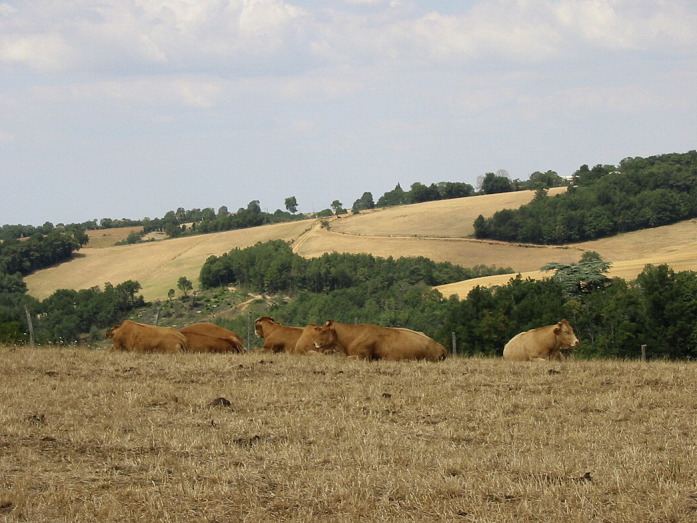
Shiga toxin-producing Escherichia coli (STEC) are important enteric pathogens worldwide, causing diarrhea with or without blood visibly present and hemolytic uremic syndrome. STEC are unique among diarrheogenic E coli in producing Shiga toxin type 1 and type 2, the virulence factors responsible for bloody diarrhea and hemolytic uremic syndrome. Cattle and other ruminants are the natural reservoir of STEC as their normal intestinal flora. Humans become infected by consumption of foods contaminated with cattle feces. Early diagnosis of STEC infection is important because of the contraindication for treating STEC using antimicrobial agents, and the intense supportive care needed if renal failure occurs.
产志贺毒素大肠杆菌(STEC)是全球重要的肠道病原体,可导致伴有或不伴有明显便血的腹泻以及溶血尿毒综合征。STEC在致泻性大肠杆菌中独具特点,能产生1型和2型志贺毒素,这些毒力因子会引发血性腹泻和溶血尿毒综合征。牛和其他反刍动物是STEC的天然宿主,STEC是它们正常肠道菌群的一部分。人类因食用受牛粪污染的食物而感染。由于使用抗菌药物治疗STEC存在禁忌,且肾衰竭发生时需要 intensive supportive care,所以STEC感染的早期诊断很重要。 (注:原文中intense supportive care直译为“强烈的支持性护理”,这里为符合中文表达习惯调整为“ intensive supportive care”,可根据具体语境进一步优化表述。)