Rotavirus Vaccine Development Section, Laboratory of Infectious Diseases, NIAID, National Institutes of Health, Bethesda, MD 20892, USA.
Virol J. 2010 Jun 23;7:136. doi: 10.1186/1743-422X-7-136.
It is universally acknowledged that genome segment 4 of group A rotavirus, the major etiologic agent of severe diarrhea in infants and neonatal farm animals, encodes outer capsid neutralization and protective antigen VP4.
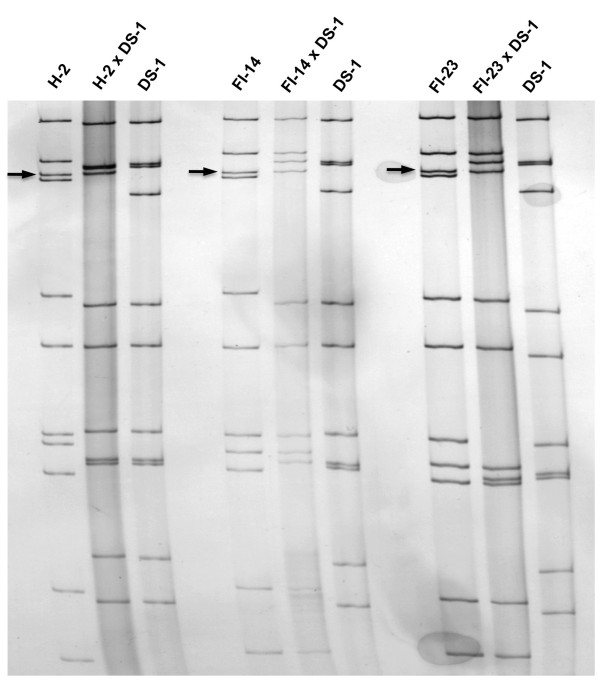
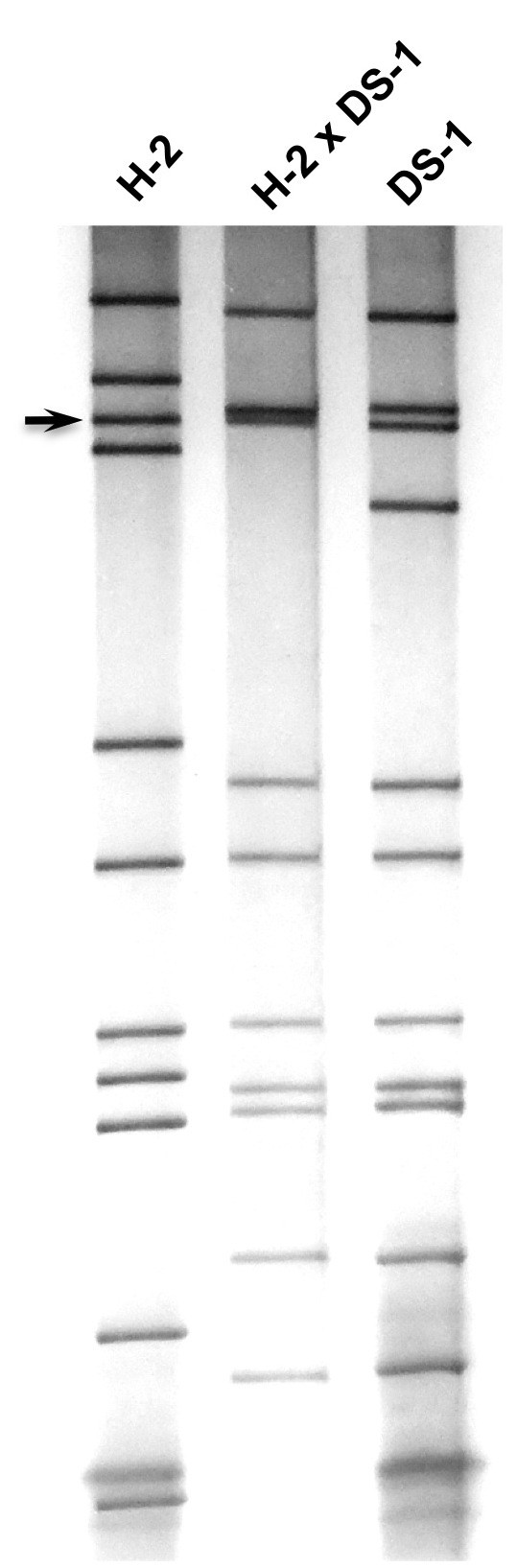
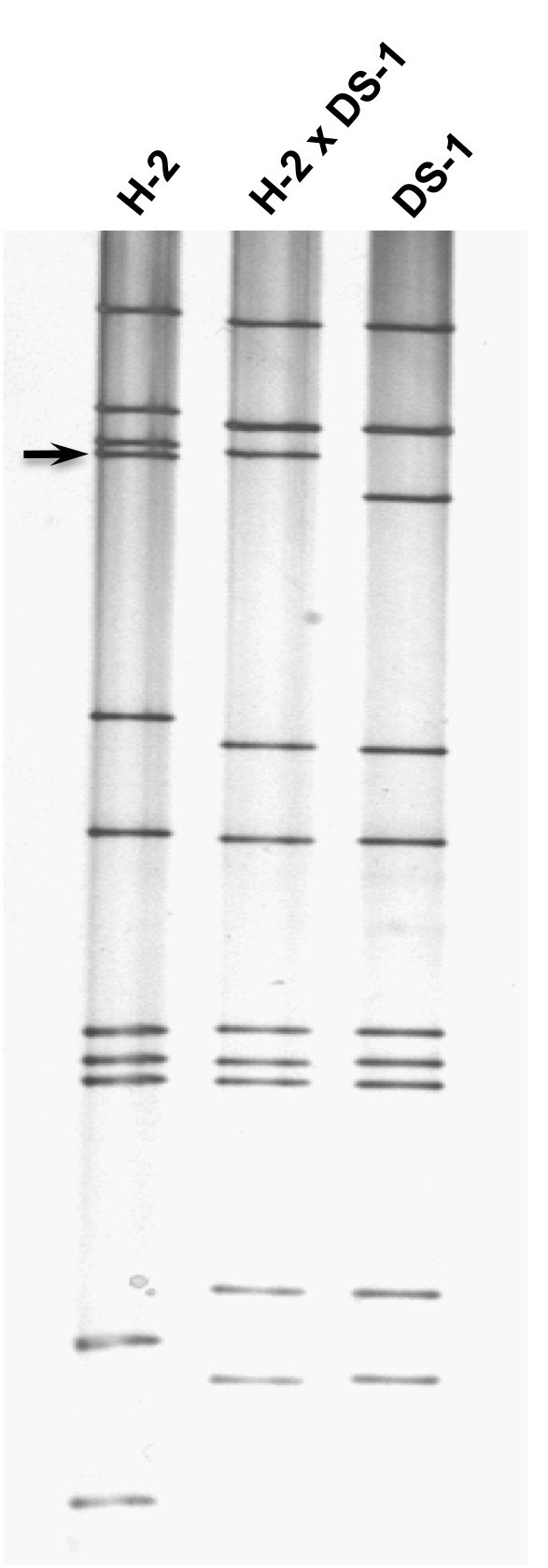
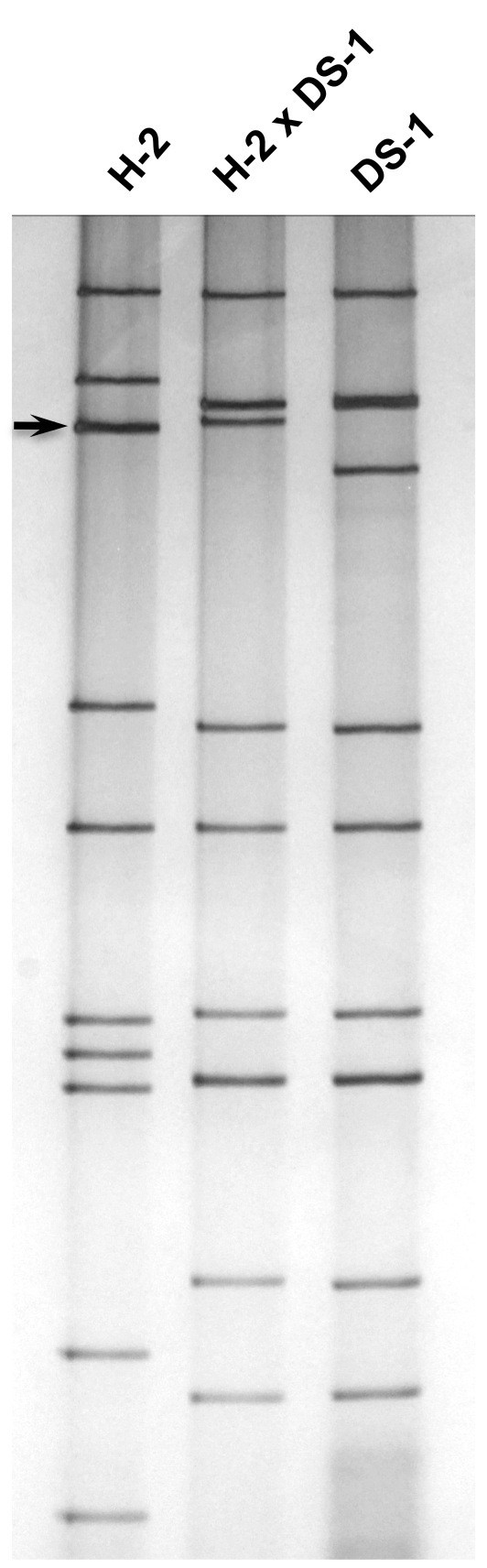
To determine which genome segment of three group A equine rotavirus strains (H-2, FI-14 and FI-23) with P[12] specificity encodes the VP4, we analyzed dsRNAs of strains H-2, FI-14 and FI-23 as well as their reassortants by polyacrylamide gel electrophoresis (PAGE) at varying concentrations of acrylamide. The relative position of the VP4 gene of the three equine P[12] strains varied (either genome segment 3 or 4) depending upon the concentration of acrylamide. The VP4 gene bearing P[3], P[4], P[6], P[7], P[8] or P[18] specificity did not exhibit this phenomenon when the PAGE running conditions were varied.
The concentration of acrylamide in a PAGE gel affected VP4 gene coding assignment of equine rotavirus strains bearing P[12] specificity.
众所周知,A 组轮状病毒的基因组片段 4 是导致婴幼儿和新生农场动物严重腹泻的主要病原体,编码外壳蛋白中和和保护性抗原 VP4。
为了确定具有 P[12]特异性的三种 A 组马轮状病毒(H-2、FI-14 和 FI-23)毒株中哪个基因组片段编码 VP4,我们通过聚丙烯酰胺凝胶电泳(PAGE)在不同浓度的丙烯酰胺下分析了 H-2、FI-14 和 FI-23 毒株及其重组体的 dsRNA。三种 P[12]马源毒株的 VP4 基因的相对位置因丙烯酰胺的浓度而异(位于基因组片段 3 或 4 上)。当改变 PAGE 运行条件时,具有 P[3]、P[4]、P[6]、P[7]、P[8]或 P[18]特异性的 VP4 基因没有表现出这种现象。
PAGE 凝胶中的丙烯酰胺浓度会影响具有 P[12]特异性的马源轮状病毒株的 VP4 基因编码分配。