Department of Molecular Physiology and Biological Physics, University of Virginia, Charlottesville, VA 22908, USA.
J Mol Biol. 2010 Sep 3;401(5):985-95. doi: 10.1016/j.jmb.2010.06.042. Epub 2010 Jun 26.
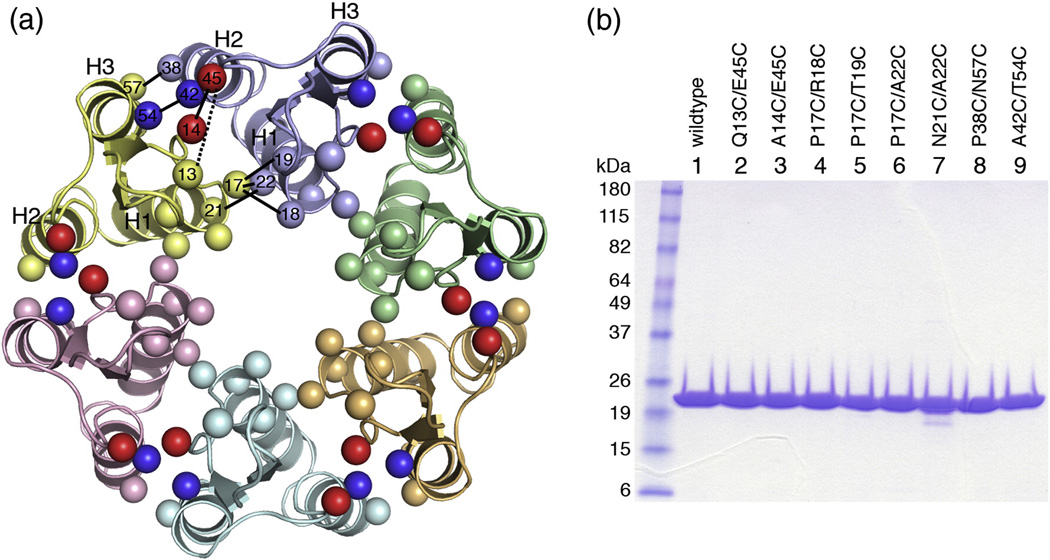
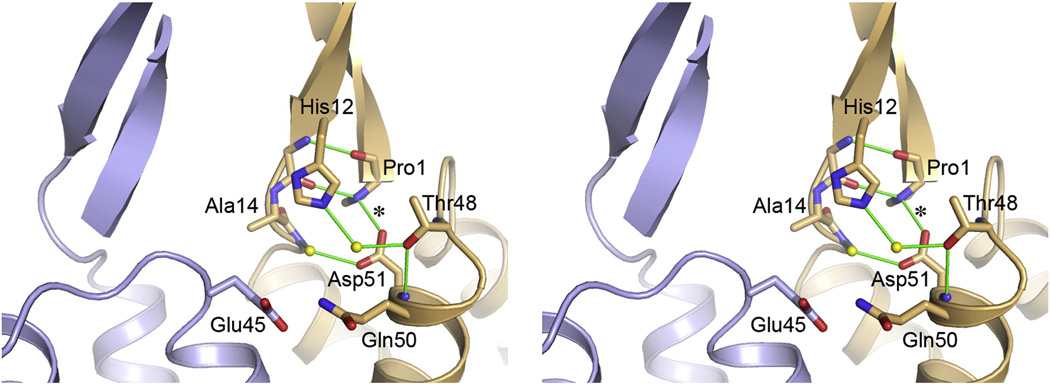
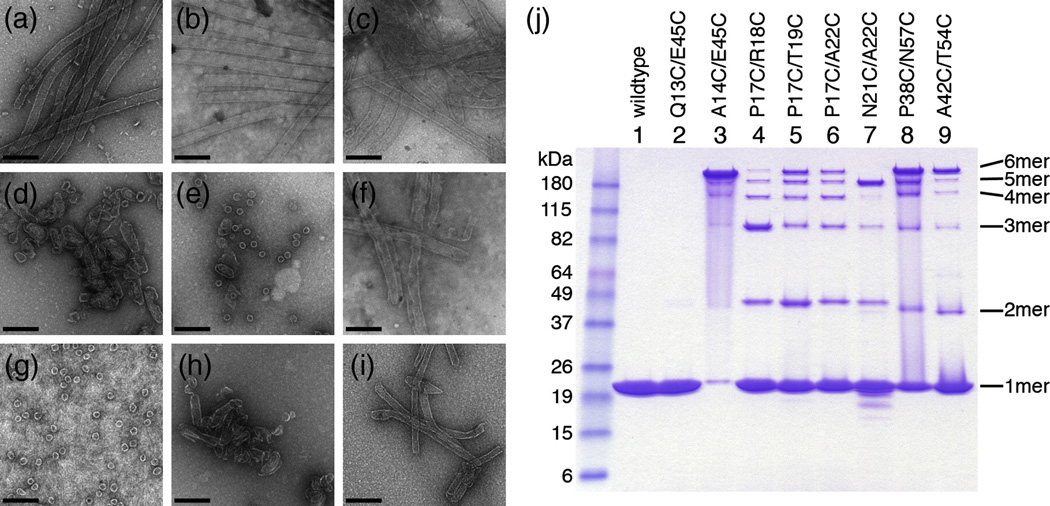
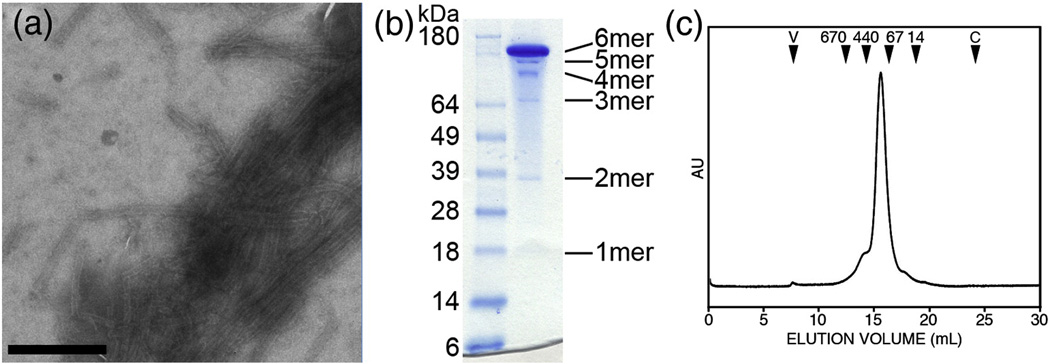
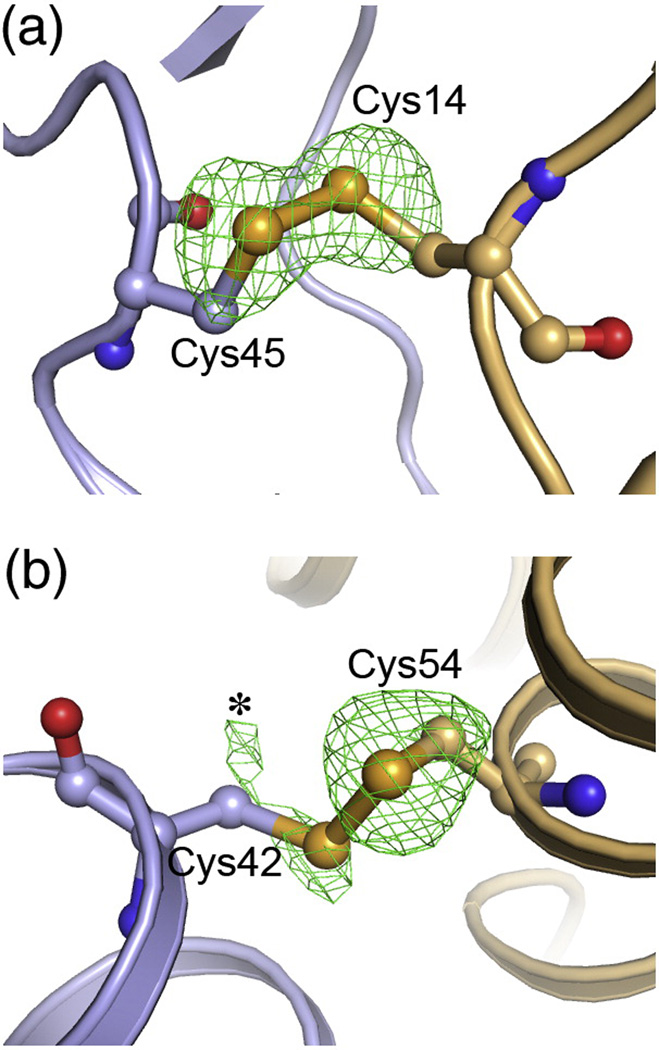
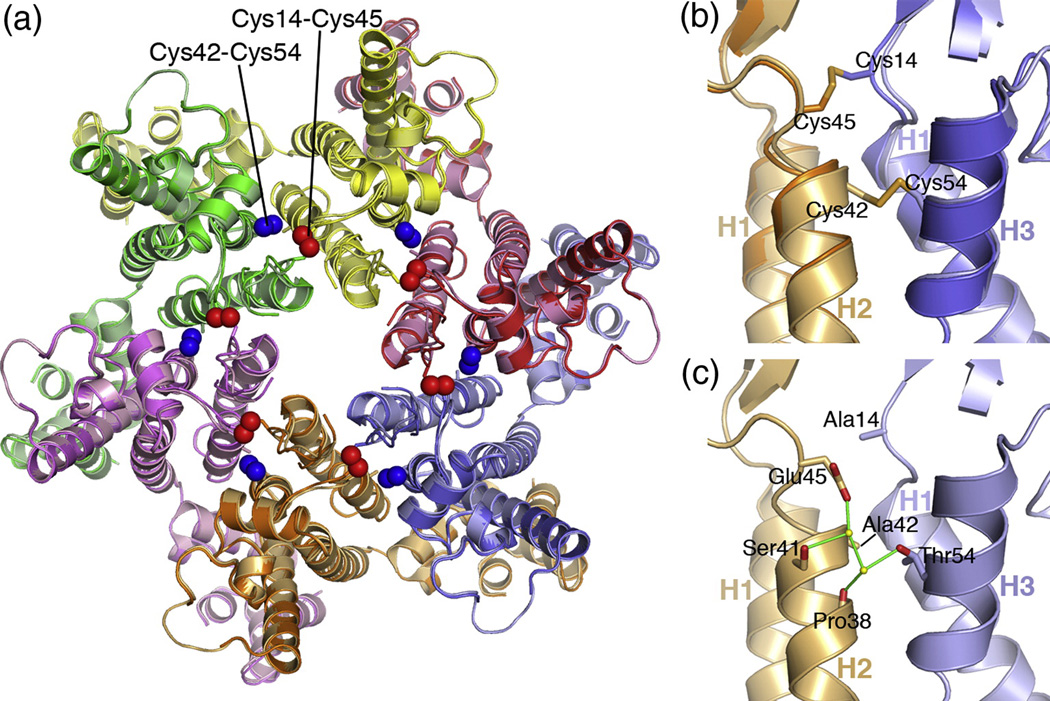
The human immunodeficiency virus type 1 capsid is modeled as a fullerene cone that is composed of approximately 250 hexamers and 12 pentamers of the viral CA protein. Structures of CA hexamers have been difficult to obtain because the hexamer-stabilizing interactions are inherently weak, and CA tends to spontaneously assemble into capsid-like particles. Here, we describe a two-step biochemical strategy to obtain soluble CA hexamers for crystallization. First, the hexamer was stabilized by engineering disulfide cross-links (either A14C/E45C or A42C/T54C) between the N-terminal domains of adjacent subunits. Second, the cross-linked hexamers were prevented from polymerizing further into hyperstable capsid-like structures by mutations (W184A and M185A) that interfered with dimeric association between the C-terminal domains that link adjacent hexamers. The structures of two different cross-linked CA hexamers were nearly identical, and we combined the non-mutated portions of the structures to generate an atomic resolution model for the native hexamer. This hybrid approach for structure determination should be applicable to other viral capsomers and protein-protein complexes in general.
人类免疫缺陷病毒 1 型衣壳被模拟为富勒烯锥,由大约 250 个六聚体和 12 个五聚体的病毒 CA 蛋白组成。由于六聚体稳定相互作用本质上较弱,CA 往往自发组装成衣壳样颗粒,因此难以获得 CA 六聚体的结构。在这里,我们描述了一种两步生化策略,以获得可用于结晶的可溶性 CA 六聚体。首先,通过在相邻亚基的 N 端结构域之间设计二硫键(A14C/E45C 或 A42C/T54C)来稳定六聚体。其次,通过突变(W184A 和 M185A)阻止交联六聚体进一步聚合形成超稳定的衣壳样结构,这些突变干扰了连接相邻六聚体的 C 端结构域之间的二聚体缔合。两种不同交联 CA 六聚体的结构几乎相同,我们将结构中非突变部分组合在一起,生成了天然六聚体的原子分辨率模型。这种用于结构确定的混合方法应该适用于其他病毒衣壳和一般的蛋白质-蛋白质复合物。