Semenza G L, Nejfelt M K, Chi S M, Antonarakis S E
Department of Pediatrics, Johns Hopkins University School of Medicine, Baltimore, MD 21205.
Proc Natl Acad Sci U S A. 1991 Jul 1;88(13):5680-4. doi: 10.1073/pnas.88.13.5680.
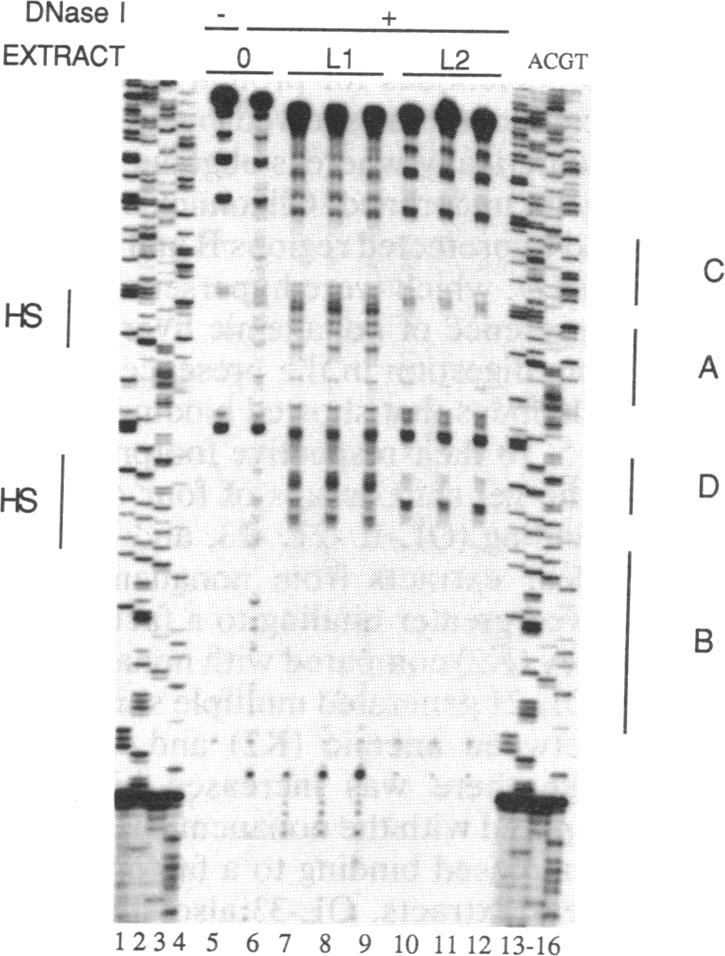
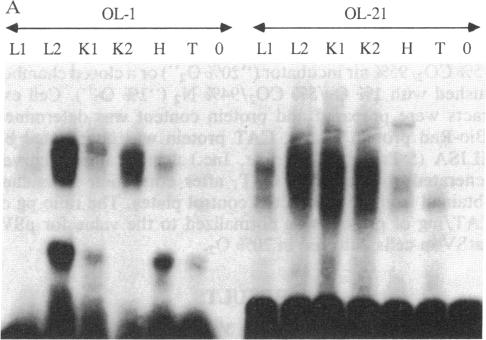
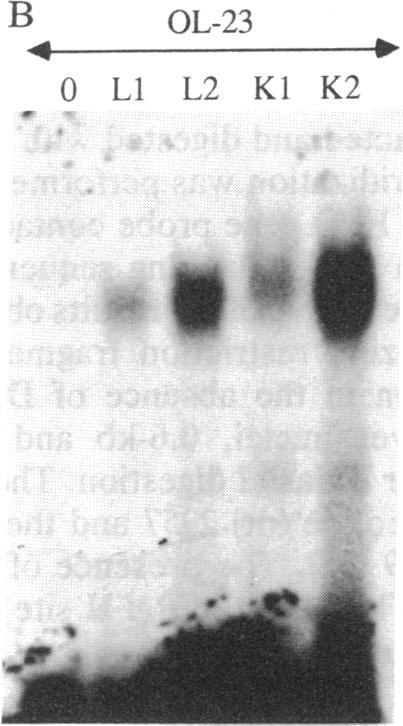
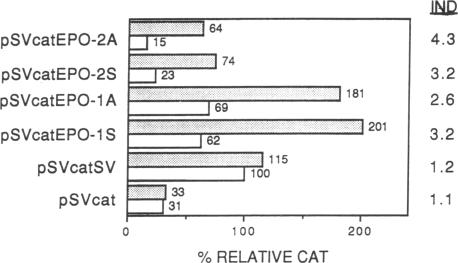
Human erythropoietin gene expression in liver and kidney is inducible by anemia or hypoxia. DNase I-hypersensitive sites were identified 3' to the human erythropoietin gene in liver nuclei. A 256-base-pair region of 3' flanking sequence was shown by DNase I protection and electrophoretic mobility-shift assays to bind four or more different nuclear factors, at least two of which are induced by anemia in both liver and kidney, and the region functioned as a hypoxia-inducible enhancer in transient expression assays. These results provide insight into the molecular basis for the regulation of gene expression by a fundamental physiologic stimulus, hypoxia.
人类促红细胞生成素基因在肝脏和肾脏中的表达可被贫血或低氧诱导。在肝细胞核中,已确定在人类促红细胞生成素基因3'端存在DNase I高敏位点。通过DNase I保护和电泳迁移率变动分析表明,3'侧翼序列的一个256个碱基对的区域可结合四种或更多不同的核因子,其中至少两种在肝脏和肾脏中均由贫血诱导,并且该区域在瞬时表达分析中起缺氧诱导增强子的作用。这些结果为低氧这一基本生理刺激调控基因表达的分子基础提供了见解。