Wu Wei, Xiao Xiangheng, Zhang Shaofeng, Fan Lixia, Peng Tangchao, Ren Feng, Jiang Changzhong
Nanoscale Res Lett. 2009 Oct 10;5(1):116-123. doi: 10.1007/s11671-009-9452-1.
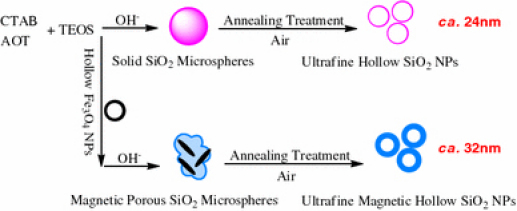
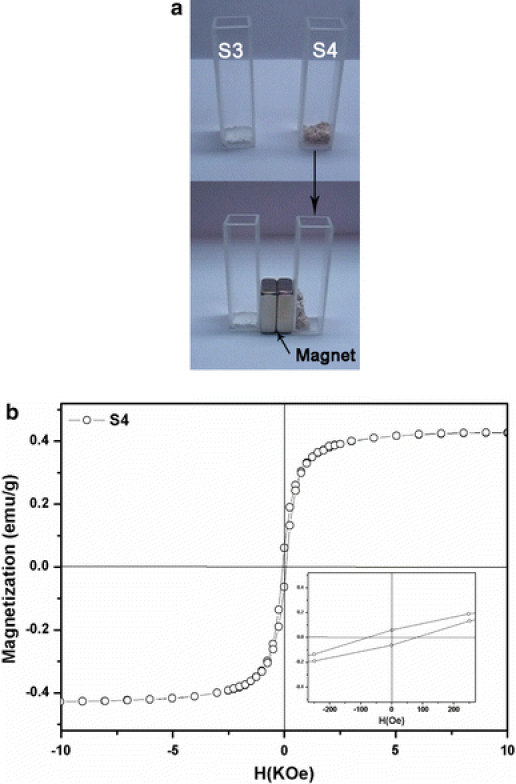
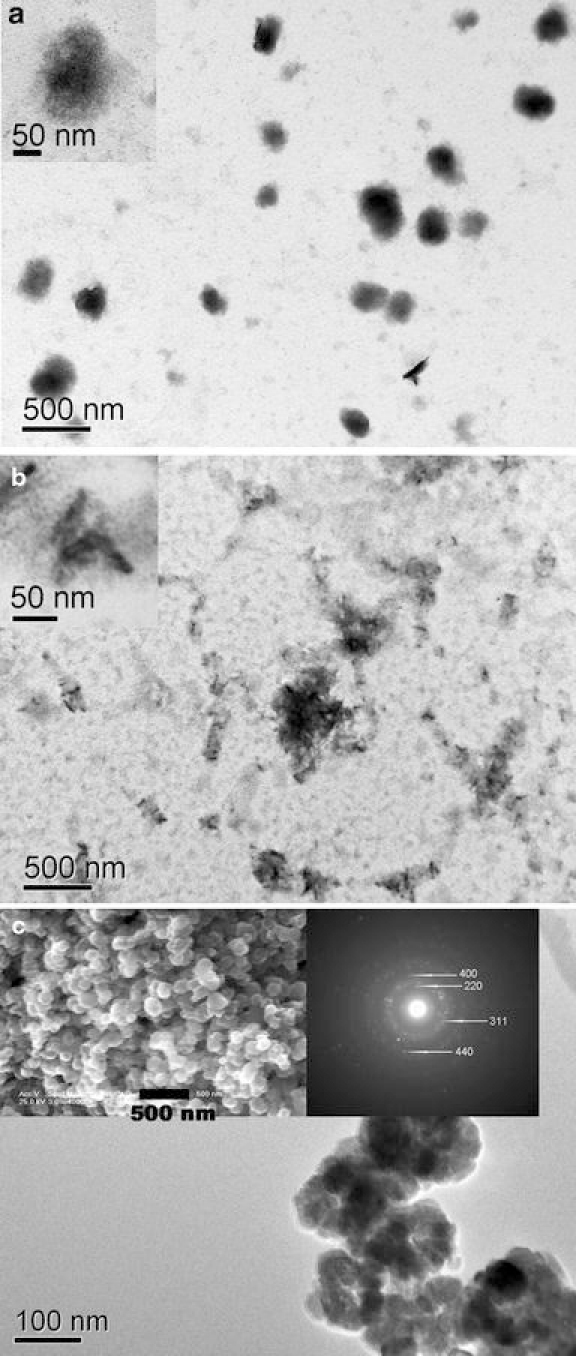
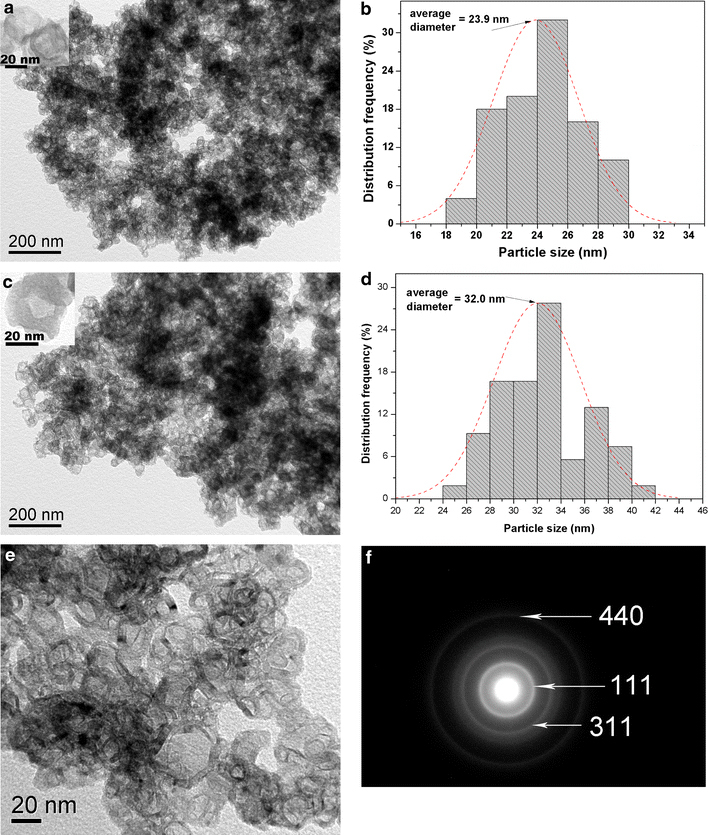
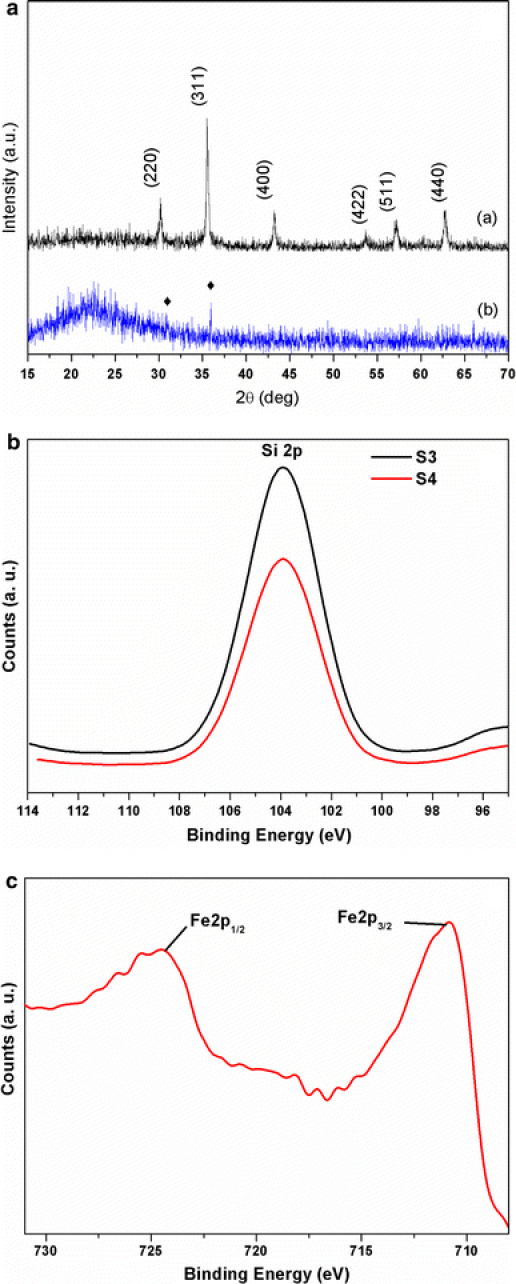
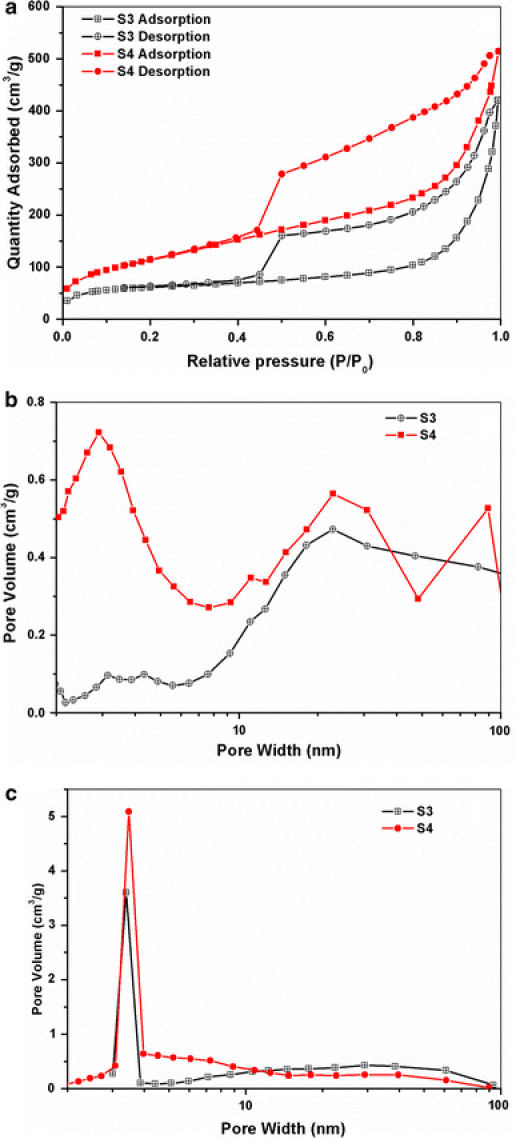
The development of synthetic process for hollow silica materials is an issue of considerable topical interest. While a number of chemical routes are available and are extensively used, the diameter of hollow silica often large than 50 nm. Here, we report on a facial route to synthesis ultrafine hollow silica nanoparticles (the diameter of ca. 24 nm) with high surface area by using cetyltrimethylammmonium bromide (CTAB) and sodium bis(2-ethylhexyl) sulfosuccinate (AOT) as co-templates and subsequent annealing treatment. When the hollow magnetite nanoparticles were introduced into the reaction, the ultrafine magnetic hollow silica nanoparticles with the diameter of ca. 32 nm were obtained correspondingly. Transmission electron microscopy studies confirm that the nanoparticles are composed of amorphous silica and that the majority of them are hollow.
中空二氧化硅材料合成工艺的发展是一个备受关注的热门问题。虽然有多种化学路线可供使用且被广泛应用,但中空二氧化硅的直径通常大于50纳米。在此,我们报道了一种简便的方法,通过使用十六烷基三甲基溴化铵(CTAB)和双(2-乙基己基)磺基琥珀酸钠(AOT)作为共模板并随后进行退火处理,来合成具有高比表面积的超细中空二氧化硅纳米颗粒(直径约为24纳米)。当将中空磁铁矿纳米颗粒引入反应中时,相应地获得了直径约为32纳米的超细磁性中空二氧化硅纳米颗粒。透射电子显微镜研究证实,这些纳米颗粒由无定形二氧化硅组成,并且它们中的大多数是中空的。