Section of Oral Biology, College of Dentistry, The Ohio State University, Columbus, OH, USA.
Brain Behav Immun. 2011 Jan;25(1):46-52. doi: 10.1016/j.bbi.2010.07.243. Epub 2010 Jul 23.
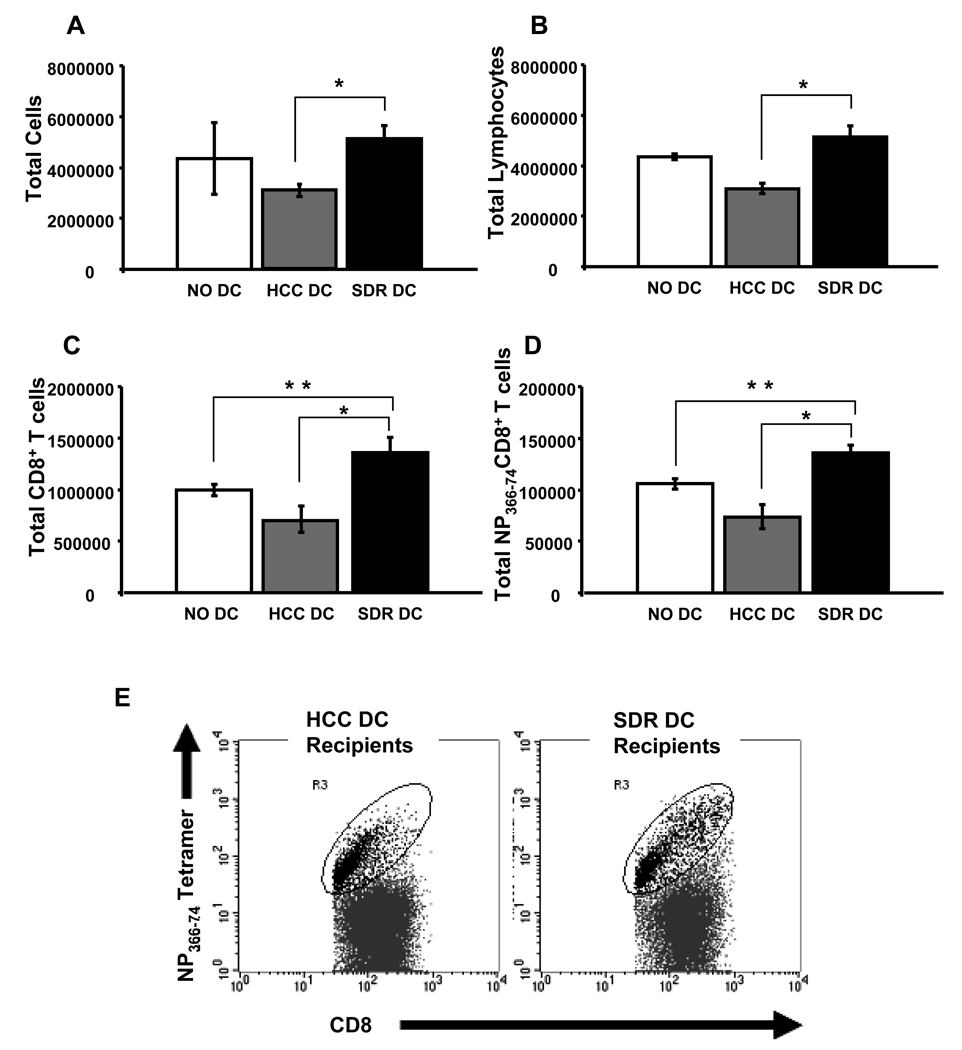
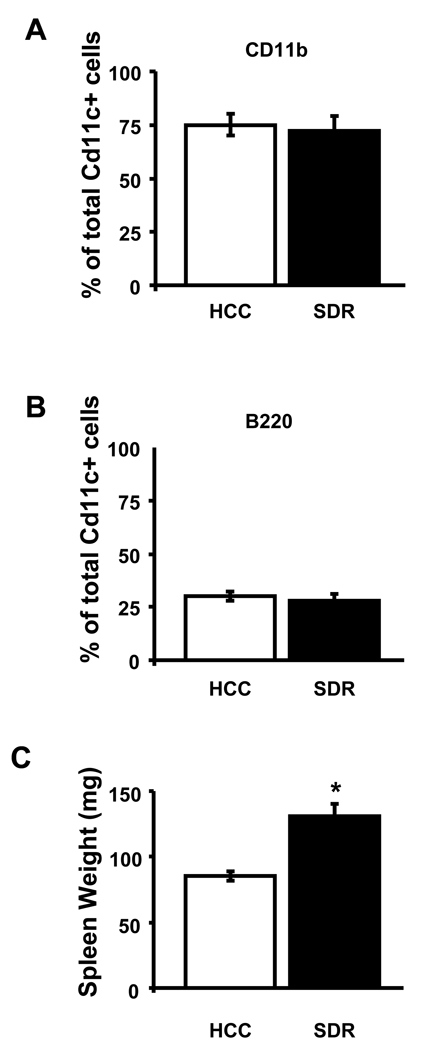
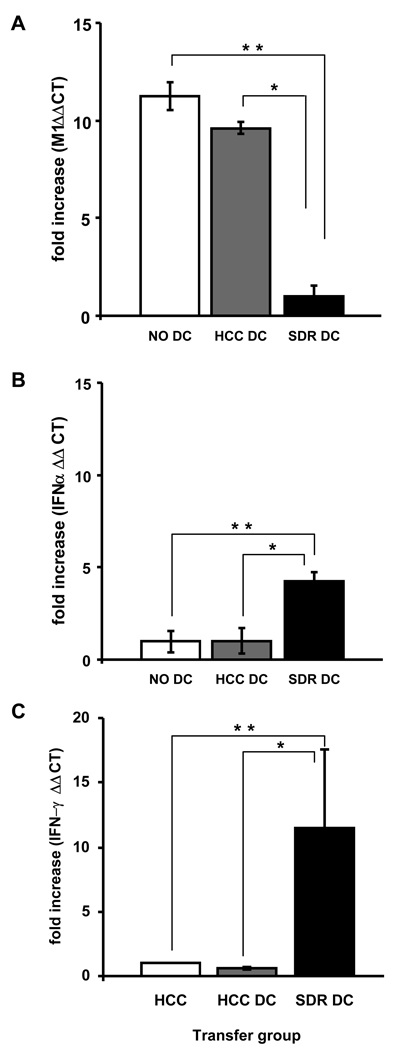
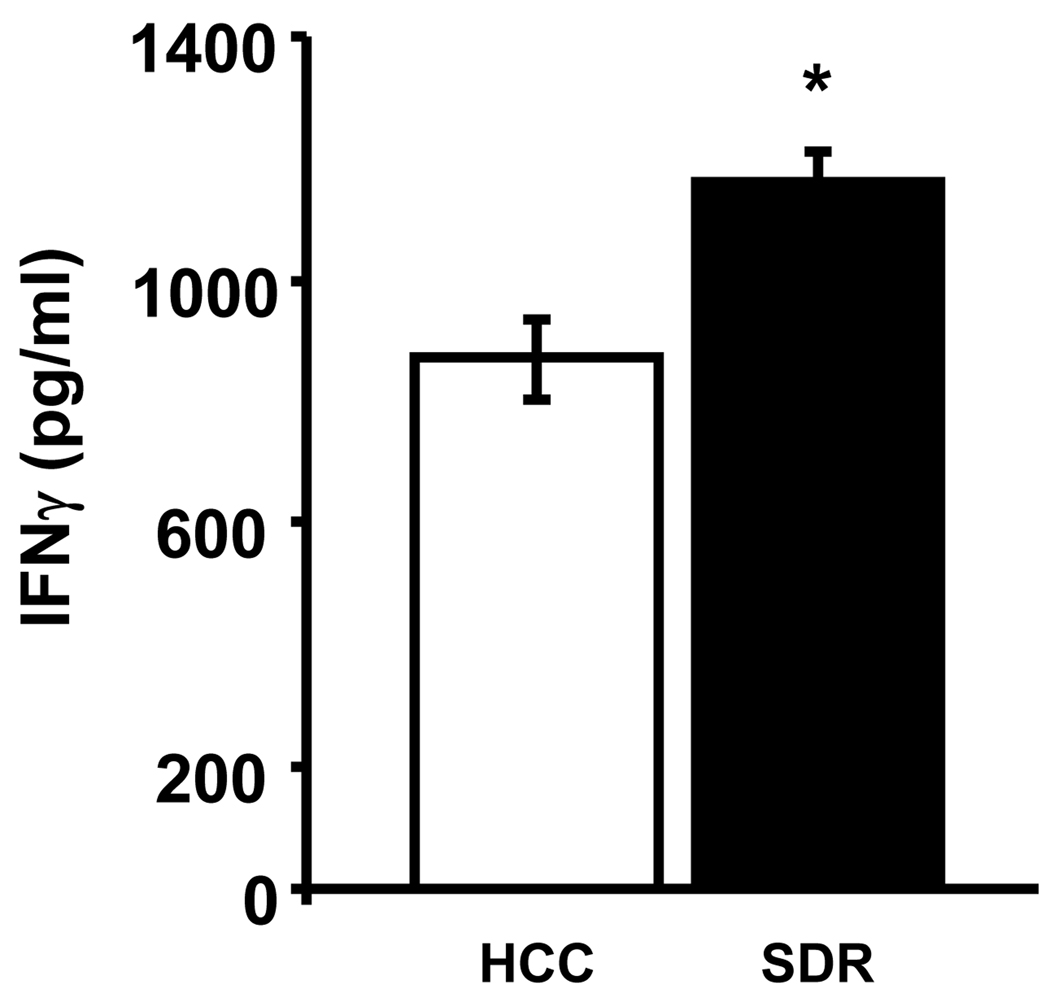
Dendritic cells (DCs) sample their surrounding microenvironment and consequently send immunogenic or regulatory signals to T cells during DC/T cell interactions, shaping the primary adaptive immune response to infection. The microenvironment resulting from repeated social defeat increases DC co-stimulatory molecule expression and primes DCs for enhanced cytokine responses in vitro. In this study, we show that social disruption stress (SDR) results in the generation of immunogenic DCs, capable of conferring enhanced adaptive immunity to influenza A/PR/8/34 infection. Mice infected with influenza A/PR/8/34 virus 24 h after the adoptive transfer of DCs from SDR mice had significantly increased numbers of D(b)NP(366-74)CD8(+) T cells, increased IFN-γ and IFN-α mRNA, and decreased influenza M1 mRNA expression in the lung during the peak primary response (9 days post-infection), compared to mice that received DCs from naïve mice. These data demonstrate that repeated social defeat is a significant environmental influence on immunogenic DC activation and function.
树突状细胞(DCs)在与 T 细胞相互作用时会对周围的微环境进行采样,并向 T 细胞传递免疫原性或调节信号,从而塑造对感染的初始适应性免疫反应。重复的社交挫败所产生的微环境会增加 DC 共刺激分子的表达,并使 DC 对外界刺激产生增强的细胞因子反应。在这项研究中,我们表明社交扰乱应激(SDR)会导致免疫原性 DC 的产生,从而增强对甲型流感 A/PR/8/34 感染的适应性免疫。在从 SDR 小鼠中过继转移 DC 后 24 小时感染甲型流感 A/PR/8/34 病毒的小鼠,与接受来自未致敏小鼠的 DC 的小鼠相比,在原发性反应高峰期(感染后 9 天)肺部中 D(b)NP(366-74)CD8(+)T 细胞数量明显增加,IFN-γ 和 IFN-α mRNA 增加,流感 M1 mRNA 表达减少。这些数据表明,反复的社交挫败是对免疫原性 DC 激活和功能产生重要影响的环境因素。